
8–10 Month Old Sleep Routine: Awake Windows, Naps & Bedtime



8–10 month old sleep routine, awake windows, nap expectations, feeding patterns, bedtime, and what a realistic day can look like.
If your baby was settling into a routine and suddenly naps feel less predictable, nights become more unsettled, or bedtime starts to feel harder again, you are not imagining it. Between around eight and ten months, many families notice sleep shifting as babies move firmly into a two-nap day and their sleep needs continue to mature.
An 8–10 month old sleep routine is often shaped by longer awake windows, two more predictable naps, feeding patterns, separation awareness, and new developmental skills. This stage is closely linked to rapid cognitive and emotional development, particularly separation awareness and object permanence, alongside ongoing changes in sleep pressure.
While these shifts can feel challenging, they are a very common and developmentally expected part of this age. With the right routine, support and consistency, sleep can begin to feel more settled again.
What should an 8-10 month old sleep routine look like?
By this age, most babies are capable of taking longer naps and coping well with more consistent nap and bedtime timings. Sleep is generally more consolidated than in earlier months, but this stage can still bring temporary disruption.
This age range often overlaps with the 8–10 month sleep regression, where developmental leaps can temporarily affect naps and nights. Even babies who have been sleeping well may show nap resistance, increased night waking, or heightened sensitivity around sleep.
Some babies may also experience shorter naps again during this stage, which is often linked to catnapping, particularly if sleep pressure, awake windows or emotional needs are shifting.
Separation Anxiety and Sleep at 8–10 Months
One of the biggest influences on sleep between eight and ten months is separation anxiety. Your baby now understands that you exist even when they cannot see you, which can make separation at sleep times feel much harder.
This can show up as:
Increased distress at sleep times
Difficulty settling for naps or bedtime
Waking overnight seeking reassurance
Becoming upset when you leave the room
Needing more support to settle back to sleep
These changes are developmentally normal and commonly sit alongside the 8–10 month sleep regression. Supporting sleep during this stage often means maintaining a consistent routine while offering appropriate reassurance.
How Much Sleep Does an 8–10 Month Old Need in 24 Hours?
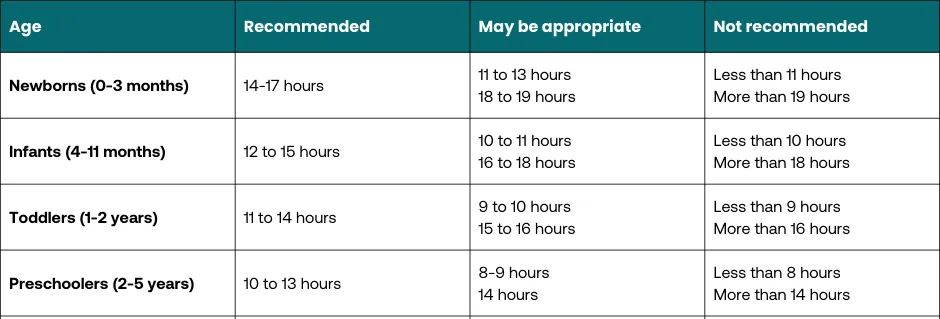
Most babies between 8–10 months are aiming for around 12–15 hours of total sleep across 24 hours, including both day sleep and overnight sleep.
Day sleep is usually spread across two naps, with most babies finished with a third nap by this stage.
Some babies may still have occasional variation while routines settle, especially during developmental leaps, illness, travel, or periods of separation anxiety.
How Many Naps Should an 8–10 Month Old Have?
By 8–10 months, most babies are on two naps per day. Some babies may still be adjusting early in this age range, but the third nap is usually dropped by this stage.
These naps often fall into one of two patterns:
Short / long - a shorter morning nap and a longer midday nap
Medium / medium - two more evenly balanced naps across the day
Both patterns can be developmentally appropriate. The best routine will depend on your baby’s awake windows, nap length, night sleep, and how well they manage the stretch to bedtime.
8–10 Month Old Sleep Schedule Examples
At this age, sleep is usually best supported by consistent nap and bedtime timings, rather than shifting the sleep day too much from one day to the next.
These 8–10 month old sleep schedule examples are guides only. A predictable routine can help regulate sleep pressure, support longer naps, and encourage more settled nights.
8–10 Month Old Sleep Schedule: Short Morning Nap & Long Midday Nap
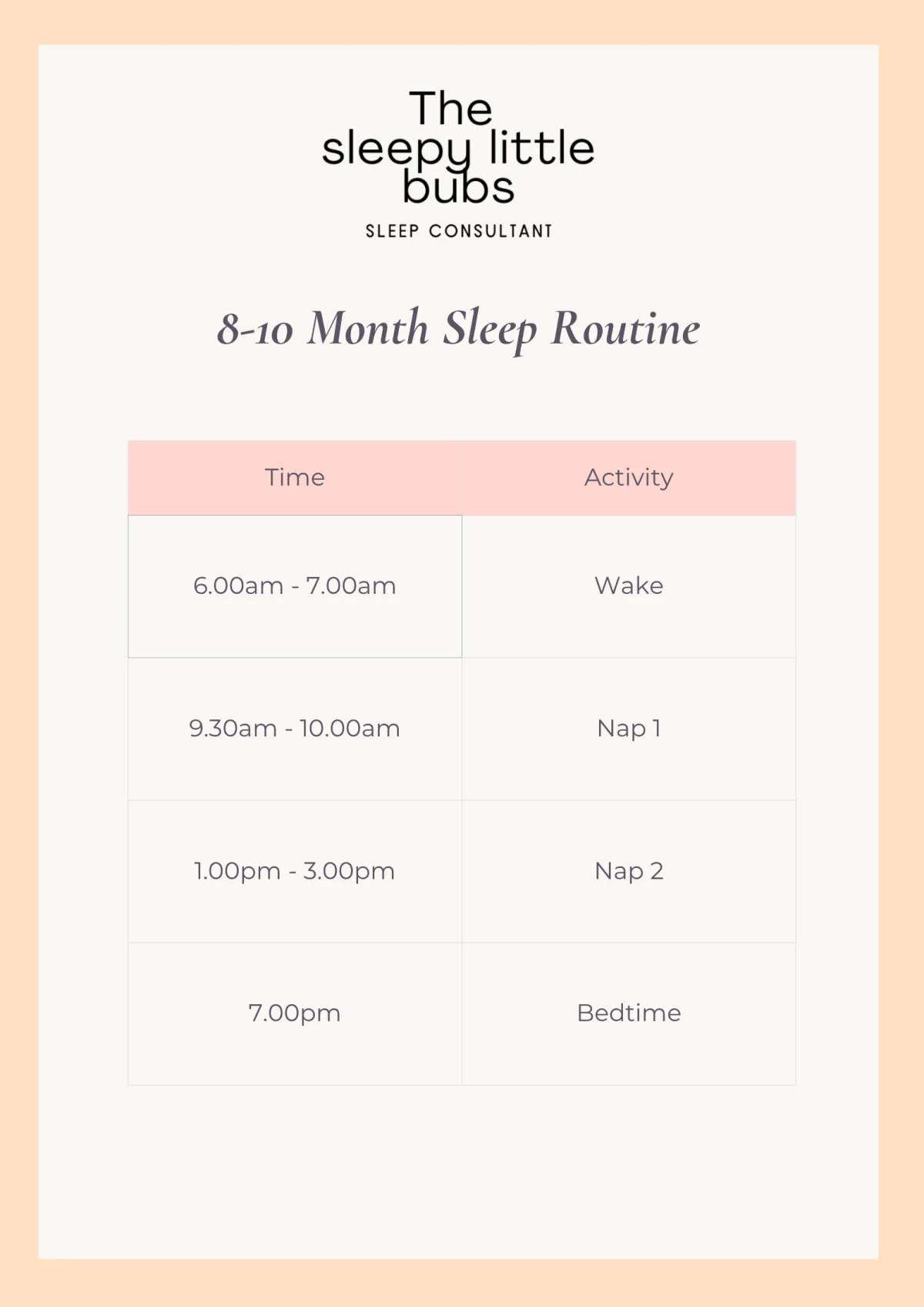
This 8–10 month old sleep schedule can work well for babies who take a shorter morning nap and consolidate their second nap more easily.
It is often a good fit when your baby manages the first awake window well but needs a longer midday nap to get through to bedtime comfortably.
8–10 Month Old Sleep Schedule: Two Balanced Naps
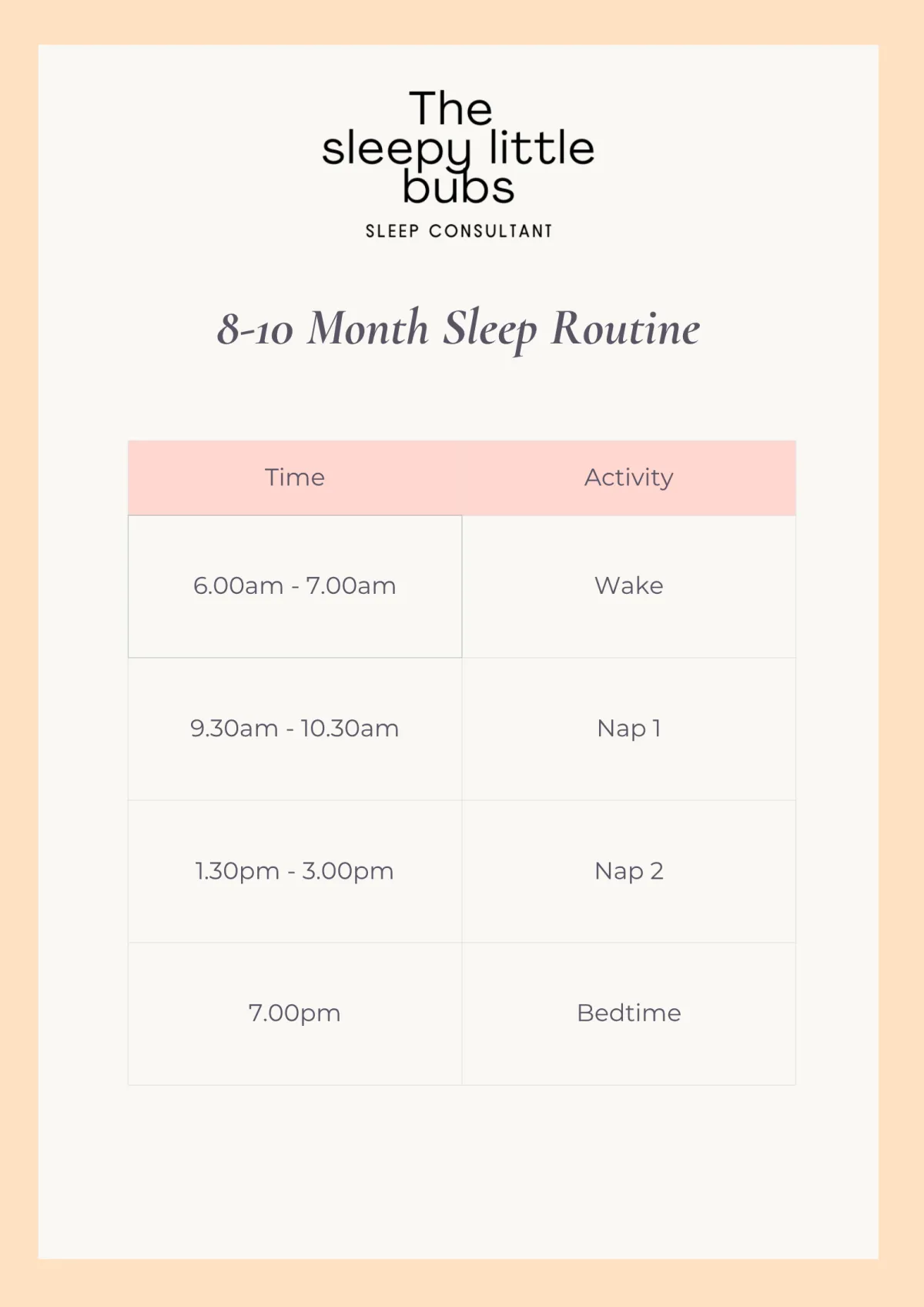
This 8–10 month old sleep schedule can work well for babies who take two more evenly balanced naps across the day.
At this age, routines are usually best kept fairly consistent from day to day. Minor variations can happen if a nap runs short or long, but keeping nap times anchored can help support more predictable naps, bedtime and overnight sleep.
Common sleep challenges at 8–10 months
Sleep can feel more settled by 8–10 months, but this stage can also bring new challenges. These changes are often linked to the 8–10 month sleep regression, separation anxiety, developmental leaps, increased mobility, and subtle shifts in sleep needs.
Frequent night waking
An increase in overnight waking is very common during this stage and is often linked to developmental changes, separation anxiety, or awake windows that need adjusting. Looking at frequent night waking as part of the full 24-hour routine can help determine whether the routine still fits.
Early morning waking
Early starts can also appear at this age, particularly if sleep pressure is out of balance, naps are too long or too short, or bedtime has crept too late. Reviewing the routine, nap structure and bedtime can help address early morning waking.
Nap resistance
Some babies begin resisting one or both naps, even when they still need them. This can happen when awake windows are changing, separation anxiety is heightened, or your baby is practising new skills.
Difficulty settling at bedtime
Bedtime may feel harder if your baby is overtired, undertired, or needing more reassurance during separation-heavy phases. A predictable wind down routine and consistent response can help bedtime feel calmer again.
How to Support Sleep During the 8–10 Month Stage
At 8–10 months, sleep support is usually less about making constant changes and more about holding a predictable rhythm while your baby moves through a big developmental stage.
A helpful 8–10 month old sleep routine may include:
Keeping nap and bedtime timings fairly consistent
Using age-appropriate routine and shift away from awake windows
Offering two naps across the day
Maintaining a calm and predictable wind down routine
Supporting separation anxiety with reassurance while holding routine boundaries
Avoiding reintroducing extra naps unless your baby genuinely needs one
Making small, considered adjustments rather than frequent changes
Reviewing feeds, sleep environment and settling if nights become unsettled
Sleep at this age is not about perfection. It is about consistency, predictability, and supporting your baby through a stage where development, separation anxiety, and sleep needs are all changing.
Looking ahead
As your baby moves beyond ten months, sleep continues to evolve with further emotional development, increased independence, and upcoming nap transitions.
The 5–24 Month Infant Course supports families through this stage and beyond, with clear guidance on routines, regressions, nap transitions, and night waking. For longer-term support into toddlerhood, the Infant and Toddler Bundle provides guidance well beyond the first year.
Need help with your baby’s sleep?
If early mornings, night waking, short naps or bedtime battles are still feeling hard to understand, personalised sleep support can help you work out what is actually driving the disruption.
A 30-minute sleep consultation is ideal if you need quick clarity, routine guidance and practical next steps tailored to your baby or toddler.
If you need more ongoing support, our Two Week Sleep Support package includes a personalised sleep plan, a 60-minute consultation and 14 days of weekday support to help you confidently work through sleep challenges.
The Sleepy Little Bubs is based in Melbourne and offers virtual baby and toddler sleep consultations across Australia and worldwide, with in-home sleep support available in Melbourne.
Whether you need a quick consult or more structured support, we can help you choose the next step.

Eva Beke
Certified Paediatric Sleep Consultant
Founder The Sleepy Little Bubs
I’m Eva Beke, a certified baby and toddler sleep consultant and founder of The Sleepy Little Bubs, supporting families across Australia and the world with evidence based baby and toddler sleep support.
My approach is realistic, supportive, and designed to evolve as your child grows, so you’re not just getting help for today, but confidence moving forward.
CLIENT STORIES
Real Families. Real Rest.

"I actually can't believe how much your infant course has changed my little ones sleep... and in such a short amount of time. Thank you!"
- Sofija


"Ok, so here I am thinking this is just another "ohh most comprehensive" guide blah blah blah... wowza... the toddler course literally has everything, and I can't even tell you how many times I have referred back to it. Best money spend on sleep so far"
- Christina

"Hey I just wanted to let you know, I purchased your toddler course and within days we've gone from bed sharing and multiple wake ups to him sleeping in his own bed and sleeping through the night. What is this magic?"
- Lisa
PRODUCTS
INFORMATION
SUPPORT
LEGAL




© Copyright The Sleepy Little Bubs All Rights Reserved.