
When to move baby to their own room: timing, safety and what to expect
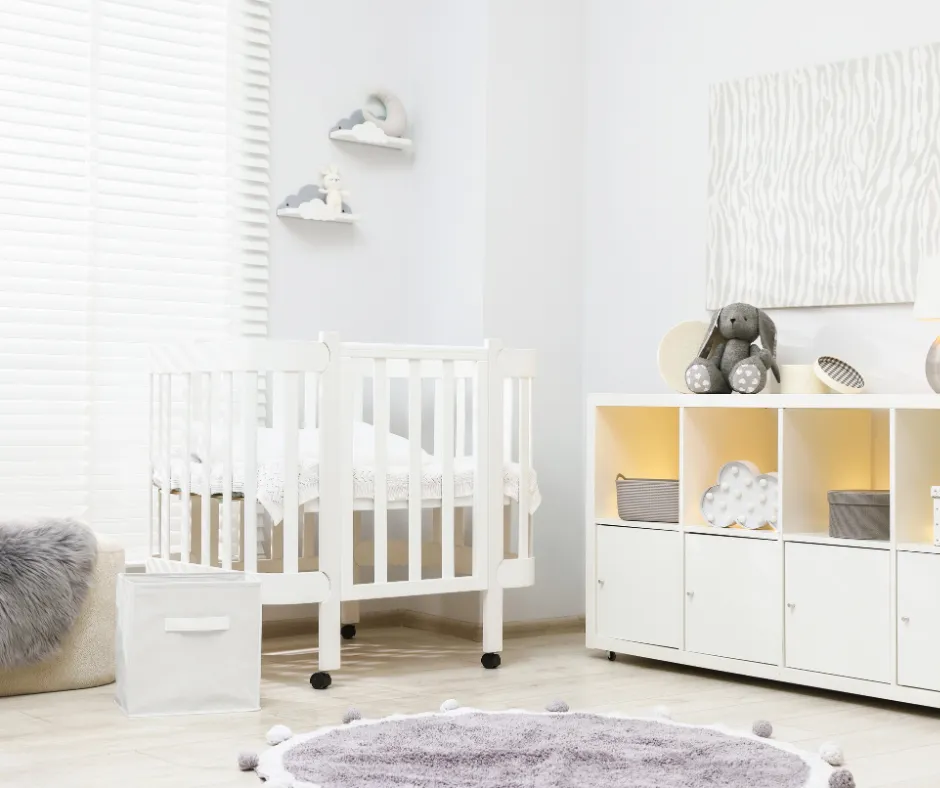


Moving your baby into their own room is one of those decisions that feels bigger than it probably is. Some parents are ready early, others feel unsure for months, and honestly, both are completely normal.
There is no single right age. The best time is the one that feels safe, practical, and sustainable for your family, while still supporting your baby's sleep and wellbeing. Whether you are thinking about it now or just starting to wonder, this guide covers when most families make the move, what safe sleep guidelines say, and how to transition smoothly without creating new sleep struggles.
When to move baby to their own room
Most families move their baby into their own room somewhere between 4 and 12 months, but there is a wide range of normal and no single milestone that triggers it.
Some families move earlier because:
Baby is noisy and everyone is waking more than they need to
Parents are waking at every small sound even when baby is settled
The room is cramped and the sleep space is limited
Sleep is becoming more disrupted and everyone needs better rest
Others keep baby in their room longer because:
Overnight feeds are still frequent and room sharing makes that easier
Parents feel more comfortable having baby nearby
The setup is working well and sleep is stable
A simple way to think about it: if room sharing is supporting sleep and wellbeing for everyone, there is no need to rush. If it is making sleep worse or feeling unsustainable, it is worth considering the move.
What do safe sleep guidelines say about moving baby to their own room?
Safe sleep guidance generally recommends room sharing for at least the first 6 to 12 months, depending on the organisation and country you are following. Red Nose Australia, the Lullaby Trust (UK), and the AAP (American Academy of Pediatrics) all recommend room sharing as a way to reduce the risk of SIDS during the early months.
The important thing to understand is that room sharing is about reducing risk. It does not replace the other safe sleep basics, which stay the same regardless of where your baby sleeps:
Baby always placed on their back
Firm, flat mattress
Clear sleep space with no loose bedding, pillows, or soft toys
Smoke free environment
If you want to check that your baby's sleep space is set up correctly before making the move, our safe sleep guidelines blog and creating a safe sleep environment blog cover everything you need to know.
If your baby is also outgrowing their bassinet around this same time, our moving from bassinet to cot blog is worth reading first.
When can baby sleep in their own room? Signs it might be time
You do not need to tick every box, but these are the signs families most commonly notice when the timing feels right.
Everyone is waking each other up
Babies are noisy sleepers. So are parents. If the whole household is waking repeatedly through the night because of each other, moving baby to their own room can improve sleep for everyone involved.
Your baby wakes more because they can sense you
Some babies sleep more lightly as they get older and more aware. If your baby is waking frequently and seeking extra reassurance, especially afte the 4 month sleep regression, a little distance can sometimes help them sleep more soundly.
Your baby is more distracted when resettling
If your baby wakes and then stays awake because they can see you, smell you, or hear you moving, their own room can reduce that stimulation and make it easier for them to drift back off.
You are ready to reduce overnight support
If your goal is to gradually reduce overnight feeds or settling support, having separate spaces often makes that process easier and clearer for everyone.
When to put baby in own room: is there a minimum age?
This depends on your comfort level and your sleep setup. Red Nose Australia, the AAP, and the Lullaby Trust (UK) all recommend room sharing for at least the first 6 months as a SIDS risk reduction measure, so if you are considering moving baby before that point, it is worth weighing that up carefully.
If you do move baby earlier, focus on:
A safe cot setup in the new room
A monitor that lets you respond quickly
Ensuring feeding needs are still being met easily
Keeping sleep cues consistent so your baby still feels secure
Some families do this very successfully, especially when room sharing is actively making sleep worse, but it should always be paired with a strong safe sleep setup.
What to expect when you move baby into their own room
Some babies sleep better straight away
Less disturbance, fewer wake ups, and more settled nights are a genuinely common outcome. For babies who were being roused by parental movement and noise, their own space can make a real difference immediately.
Some babies need a short adjustment period
For the first few days, you might notice:
Slightly more settling needed at bedtime
A couple of extra night wakes
Naps feeling a bit wobbly
This usually settles once the new room becomes familiar and your baby learns that their sleep cues still mean sleep, just in a different space.
If sleep becomes significantly worse
If disruption lasts longer than about 10 to 14 days, it is usually not the room itself causing the problem. It is more often:
Awake windows that need adjusting
Routines that have drifted out of sync
Sleep pressure being off across the day
Separation anxiety peaking
A strong sleep association that needs addressing
In that case, it is worth looking at the bigger picture rather than assuming the room move was a mistake.
Moving baby to own room: how to make it smooth
Keep the routine exactly the same
Same bedtime routine, same sleep sack, same settling technique, same wind down sequence. Your baby needs to know that all the familiar signals still apply even though the room has changed.
Choose the easiest sleep to start with
Some families start with nights because sleep pressure is highest and babies are more likely to settle without fuss. Others start with naps to build familiarity with the new space during the day first. Either approach works. Pick whichever feels least stressful for your family.
Make the room sleep friendly
A calm, predictable environment matters far more than how the nursery looks. Think darkness, white noise if you already use it, and a comfortable room temperature. For a full breakdown, our creating a sleep conducive environment blog is a great place to start.
Be consistent for at least a week
Avoid moving back and forth between rooms nightly. Consistency is what helps your baby learn what to expect, and it is what gives the transition a real chance to settle.
What about separation anxiety?
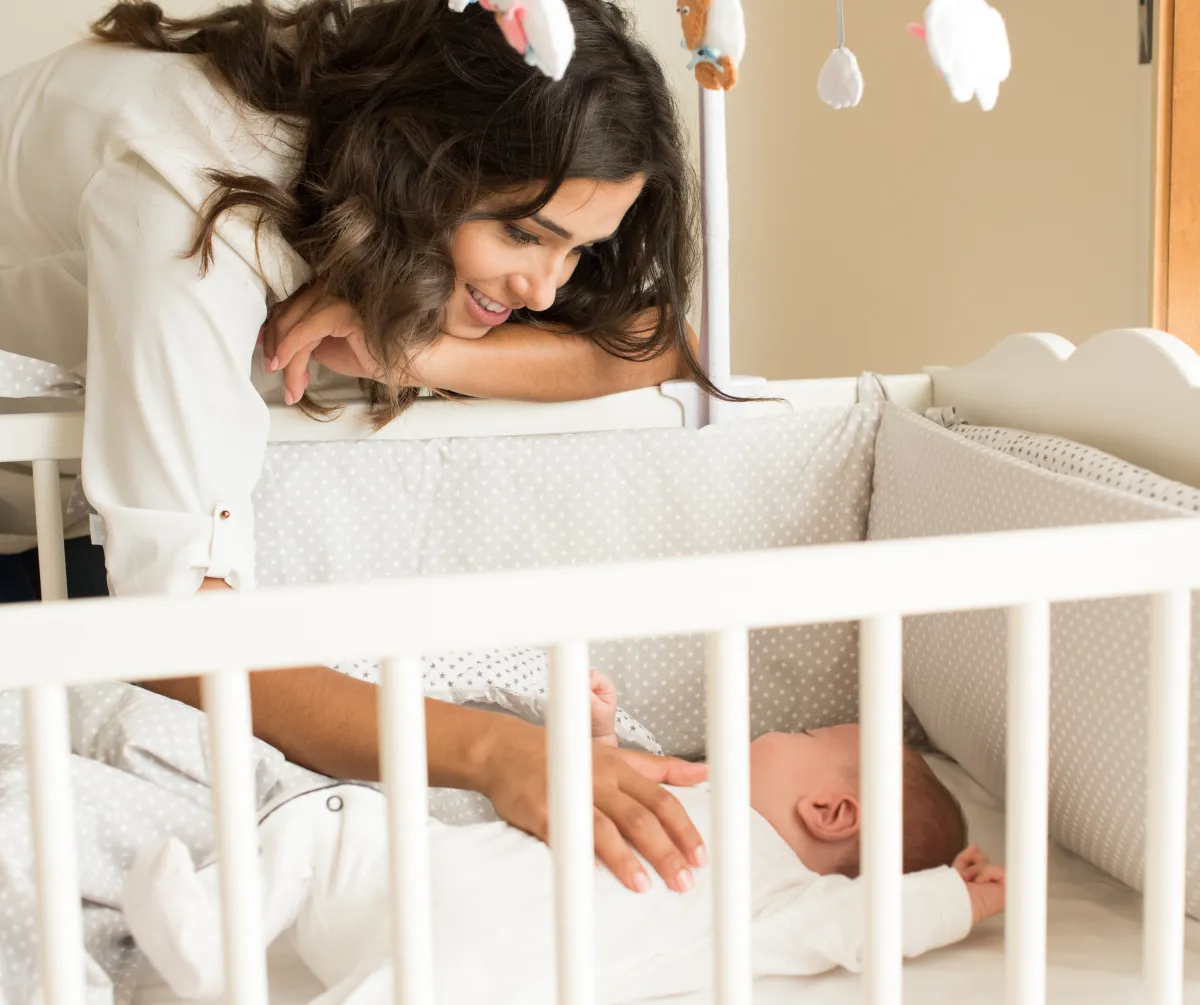
Around 8 to 10 months, and again around 12 months and 15 to 18 months, separation anxiety tends to peak. If you happen to be moving rooms during one of those stages, your baby may need a little more settling support while they adjust. That is completely normal and does not mean the timing was wrong.
Our separation anxiety blog has practical strategies for supporting sleep through those peaks without escalating the situation.
What about the crib vs cot question?
If you are based outside Australia, you might be searching for guidance around moving baby to a crib rather than a cot. The terms refer to the same type of sleep space. The same safe sleep principles apply regardless of what it is called: firm mattress, clear sleep space, baby on their back, and a correctly fitted sleep sack instead of loose bedding.
Looking ahead
Moving your baby into their own room is not about pushing independence before they are ready. It is about finding a sleep setup that supports safety, rest, and family wellbeing for everyone.
If you want a clear plan that adapts as your baby grows, the Sleepy Little Bubs Infant Sleep Course walks you through routines, settling, regressions, nap transitions, and troubleshooting across every stage from 5 to 24 months. For families wanting longer-term support, the Infant and Toddler Bundle takes you right through the toddler years so you are never left wondering what comes next.
Need help deciding when to move baby to their own room?
If you are not sure whether now is the right time, or sleep has wobbled since the move and you are not sure what to adjust, a 30 minute chat with Eva is a great place to start.
Based in Melbourne, Australia and supporting families Australia wide, Eva offers a 30 minute sleep consultation: a focused session where you can talk through your baby's current setup, get a clear read on whether the timing feels right, and walk away with a practical next step.
Sleepy Little Bubs is based in Melbourne and offers virtual sleep consultations across Australia and worldwide, with in home sleep support available in Melbourne and surrounding areas.
Whether you need a confidence check or help troubleshooting after the move, we can help you find the right next step.

Eva Beke
Certified Paediatric Sleep Consultant
Founder The Sleepy Little Bubs
I’m Eva Beke, a certified baby and toddler sleep consultant and founder of The Sleepy Little Bubs, supporting families across Australia and the world with evidence based baby and toddler sleep support.
My approach is realistic, supportive, and designed to evolve as your child grows, so you’re not just getting help for today, but confidence moving forward.
The Smarter Way to Invest in Better Sleep
Supporting sleep doesn’t have to mean starting over every time something changes.
Our sleep courses are built to support you long term, with age specific guidance that adapts as your child grows. From early routines and regressions to nap transitions and toddler sleep challenges, you’ll have a clear plan and ongoing support so you can respond with confidence at every stage.

Infant
5-24 Months
Toddler
2-4 Years
PRODUCTS
INFORMATION
SUPPORT
LEGAL




© Copyright The Sleepy Little Bubs All Rights Reserved.