
When Can Babies Sleep With a Blanket?
Safe Ages and Expert Recommendations
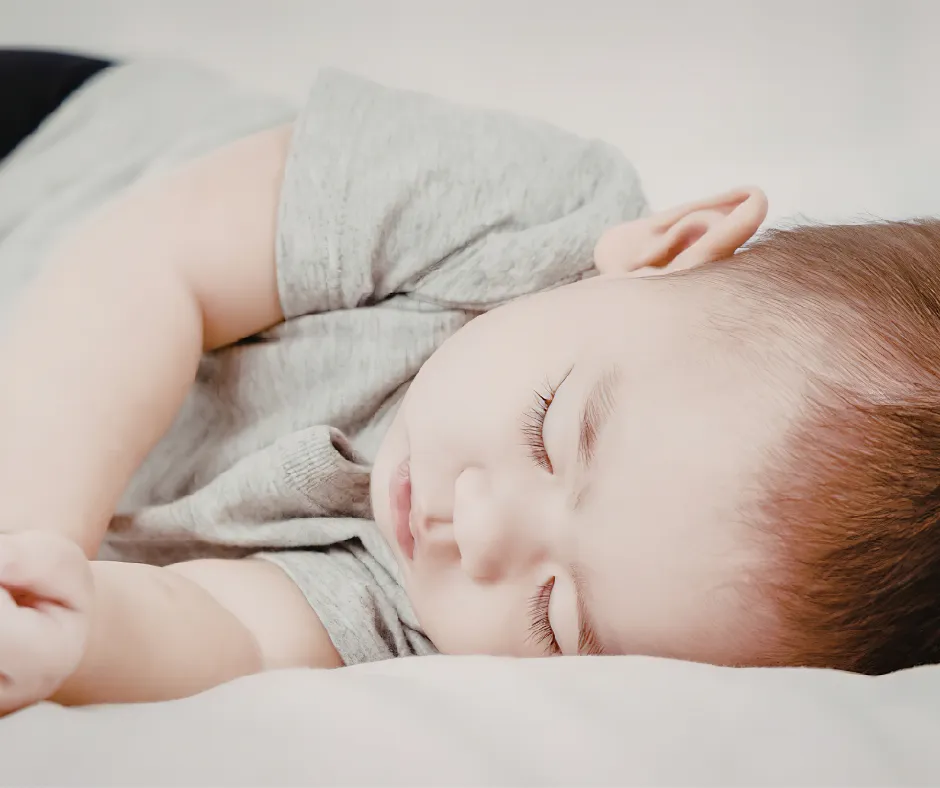


One of the most common questions parents ask is, "When can my baby sleep with a blanket?"
Whether it's a knitted blanket from Grandma, a cosy doona for winter or simply wanting your child to sleep the way you do, it's understandable to wonder when blankets become safe.
The reality is that blankets are not recommended for young babies and introducing them too early can increase the risk of suffocation, overheating and entrapment.
In this article, we'll explore when babies can safely sleep with a blanket, why sleep sacks are recommended during infancy, and what Red Nose Australia, the American Academy of Pediatrics (AAP) and the Lullaby Trust advise.
Do Babies Need a Blanket?
The short answer is no.
Babies do not need loose blankets to stay warm during sleep.
Instead, Red Nose Australia recommends dressing babies appropriately for the room temperature and using a safe sleep bag or sleep sack where appropriate.
Unlike blankets, sleep sacks cannot become loose and cover a baby's face, making them a safer option for sleep.
Why Are Blankets Not Recommended for Babies?
Loose bedding creates several potential risks for young babies.
These include:
Suffocation
Airway obstruction
Entrapment
Overheating
Becoming tangled in bedding
Young babies do not have the strength or mobility to consistently move bedding away from their face if it shifts during sleep.
For this reason, safer sleep organisations around the world recommend avoiding loose blankets during infancy.
What Do Red Nose Australia, the AAP and the Lullaby Trust Recommend?
Red Nose Australia Recommendations
According to Red Nose Australia, babies should sleep on a firm, flat mattress in a sleep environment free from hazards.
If a blanket is used during the newborn days, Red Nose recommends it be lightweight, firmly tucked in and positioned no higher than chest level, with the baby's feet placed at the foot of the cot.
However, Red Nose's preferred recommendation is the use of a safe infant sleeping bag or sleep sack rather than loose blankets.
As children move into toddlerhood and transition into a big bed, blankets become more appropriate and practical.
American Academy of Pediatrics (AAP) Recommendations
The American Academy of Pediatrics recommends keeping loose blankets, pillows and soft objects out of the sleep environment for at least the first 12 months.
Many AAP resources continue to support avoiding loose bedding until around 18 months to 2 years of age, when children are more mobile and able to reposition themselves independently.
Lullaby Trust Recommendations
The Lullaby Trust advises against loose blankets, quilts, doonas and pillows for babies.
Their guidance focuses on maintaining a clear sleep space and using lightweight bedding safely if required.
Like Red Nose and the AAP, they recommend prioritising a firm, flat sleep environment throughout infancy.
What Is the Difference Between a Blanket and a Sleep Sack?
Many parents assume sleep sacks and blankets serve the same purpose, but there are important differences.
A sleep sack:
Stays securely on the child
Cannot ride up over the face
Reduces the risk of entanglement
Helps maintain a more consistent body temperature
Removes the need for loose bedding
A blanket:
Can become loose during sleep
May move over the face
Can become tangled around the child
May increase overheating risks if too heavy
For these reasons, sleep sacks are generally the preferred option throughout infancy.
When Can Babies Sleep With a Blanket?
There is no universally agreed age.
However, current guidance generally suggests:
No loose blankets during the first 12 months
Sleep sacks remain the preferred option throughout infancy
Many families begin introducing blankets somewhere between 18 months and 3 years
Blankets are most commonly introduced once a child transitions into a toddler or big bed
In practice, most children are introduced to blankets around the same time they move from a cot into a bed.
Signs Your Child May Be Ready for a Blanket
Your child may be ready if:
They are over 18 months to 2 years of age
They can move freely during sleep
They can independently remove bedding from their face
They have transitioned into a toddler or big bed
They actively seek out blankets for comfort
Even then, introducing a blanket is a personal choice rather than a necessity.
Many toddlers continue sleeping comfortably in sleep sacks for years.
Can Toddlers Continue Using a Sleep Sack?
Absolutely.
There is no upper age limit for sleep sacks.
Many toddlers continue using them until 3 years of age or beyond.
Benefits of continuing with a sleep sack include:
Consistent warmth
Reduced bedding battles
Less risk of kicking covers off overnight
Familiar sleep cues
Support during the cot to bed transition
If your toddler enjoys their sleep sack and sleeps well in it, there is no reason to stop.
How to Introduce a Blanket Safely
If you decide your child is ready for a blanket, start simple.
Choose:
Lightweight materials
Breathable fabrics
Child sized blankets
Appropriate seasonal bedding
Avoid:
Heavy quilts
Doonas for young toddlers
Weighted blankets
Electric blankets
Oversized bedding
Remember that toddlers often move a lot during sleep and may kick blankets off entirely.
Frequently Asked Questions About Blankets
Can My Baby Sleep With a Blanket in Winter?
For babies under 12 months, a sleep sack with appropriate clothing underneath is generally the safest option.
My Toddler Kicks Their Blanket Off. What Should I Do?
This is very common.
Many parents continue using sleep sacks for this exact reason, as they provide warmth without relying on bedding staying in place.
Is a Blanket Safer Than a Sleep Sack?
No.
For babies and young toddlers, sleep sacks are generally considered the safer option because they eliminate loose bedding.
Final Thoughts
Blankets can feel like an important milestone, but they are not something that needs to be rushed.
Current guidance from Red Nose Australia, the American Academy of Pediatrics and the Lullaby Trust all supports avoiding loose blankets during infancy and prioritising a firm, flat sleep environment.
For most families, blankets become more appropriate once a child is older, more mobile and has transitioned into a toddler or big bed.
Until then, a well fitted sleep sack remains one of the safest and simplest ways to keep your child comfortable overnight.
Need personalised support?
If you’re not sure what your 6 month old needs right now, a 30-minute sleep chat is a great place to start. We’ll look at your baby’s routine, awake windows, naps, feeds, settling and night wakes, then give you clear next steps.
If sleep feels really unsustainable and you want more hands-on support, our Two Week Support Package includes a personalised sleep plan plus daily support while you make changes.
The Smarter Way to Invest in Better Sleep
Supporting sleep doesn’t have to mean starting over every time something changes.
Our sleep courses are built to support you long term, with age specific guidance that adapts as your child grows. From early routines and regressions to nap transitions and toddler sleep challenges, you’ll have a clear plan and ongoing support so you can respond with confidence at every stage.

Infant
5-24 Months
Toddler
2-4 Years
PRODUCTS
INFORMATION
SUPPORT
LEGAL




© Copyright The Sleepy Little Bubs All Rights Reserved.