
When Should You Stop Swaddling Your Baby?
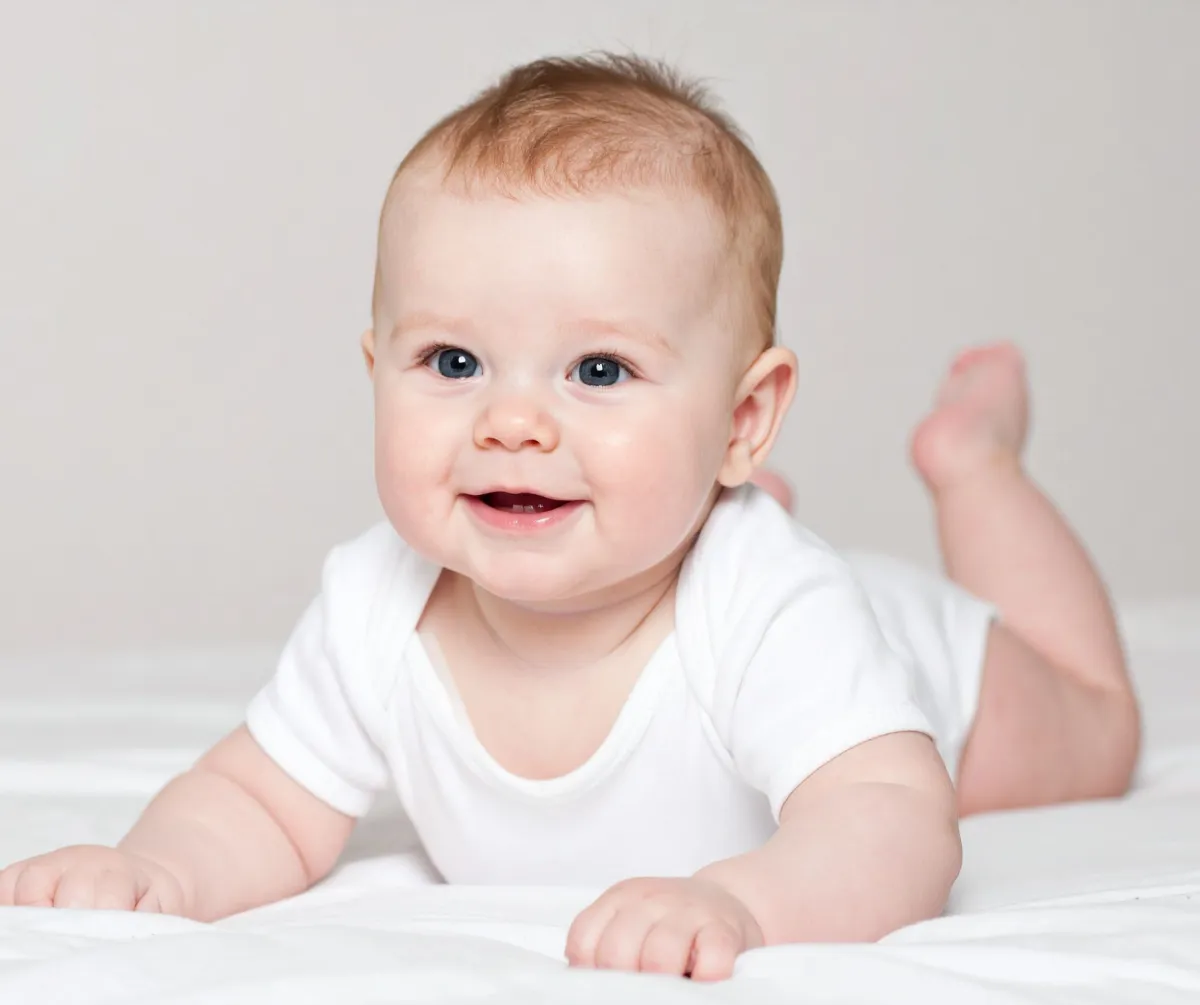
Swaddling can be a great way to help your newborn feel secure and settled during sleep, particularly in those early weeks when their startle reflex can make it difficult to stay asleep.
But there comes a point when it's time to ditch the swaddle, and knowing when to make that transition is important.
One of the biggest questions I get from parents is when to stop swaddling and how to make the transition without completely throwing their baby's sleep off track.
The good news? It doesn't have to be a difficult process. Knowing when to make the change, what to look out for and how to approach it can make the transition much easier, while ensuring your baby continues to sleep safely.
Why do you need to stop swaddling?
Swaddling can work really well in those early newborn weeks, particularly when your baby's startle reflex keeps waking them up just as they've fallen asleep.
But as your baby grows and starts becoming more mobile, there comes a point when swaddling is no longer safe.
As soon as your baby starts showing signs of attempting to roll, it's time to stop swaddling. You don't need to wait until they've successfully rolled over.
The reason is simple. If your baby manages to roll onto their tummy while swaddled, their arms are restricted, making it harder for them to reposition themselves safely.
And here's the important part: this decision is about safety, not whether your baby is sleeping well or seems ready to give up the swaddle.
Even if they're sleeping beautifully swaddled, once those early signs of rolling appear, it's time to make the transition.
How the 4 month sleep regression fits in
Ahhh, the four month sleep regression! Just when you feel like your newborn is starting to sleep a little more predictably, everything can suddenly change.
Around this age, your baby's sleep cycles begin to mature, which can mean more frequent night waking, shorter naps and difficulty linking sleep cycles together.
For some families, this happens around the same time they're transitioning away from the swaddle, making it feel like everything has gone backwards at once.
But here's the important part: the 4 month sleep regression isn't what determines when you stop swaddling.
Your baby's development does.
If your baby is showing signs of attempting to roll, the swaddle needs to go, regardless of whether they're sleeping well or experiencing changes to their sleep.
And while the transition might temporarily disrupt sleep, it doesn't mean you're doing anything wrong or that your baby isn't ready. Safety always comes first.
How to transition out of the swaddle
Ahhh, saying goodbye to the swaddle can feel a little daunting, especially if your baby has been sleeping beautifully with their arms tucked away!
The good news is that not every baby struggles with the transition, and there are a few ways you can approach it.
If your baby isn't showing any signs of attempting to roll, you can start making the transition gradually by:
Freeing one arm at a time: Start with one arm out for a few sleeps before moving to both arms out.
Using an arms-free sleeping bag: This allows your baby to move their arms freely while still having the familiar feeling of wearing a sleeping bag.
Keeping everything else consistent: Try to maintain your usual bedtime routine, sleep environment and settling approach while your baby adjusts.
However, if your baby is already showing signs of attempting to roll, you'll need to skip the gradual transition and move straight to an arms-free sleeping bag or suitable sleepwear.
And remember, some babies adjust within a few sleeps, while others may need a little more support initially. You might notice more arm movements or disrupted sleep as they get used to having their arms free, but that doesn't mean you need to go backwards.
Give your baby some time to adjust, offer reassurance when needed and keep things consistent.
What to expect in the first few nights
Don't be surprised if your baby's sleep is a little unsettled when you first ditch the swaddle!
After spending weeks sleeping with their arms tucked away, suddenly having all that freedom can take some getting used to.
You might notice:
More frequent waking: Your baby may initially wake more often as they adjust to sleeping with their arms free.
Lots of arm movements: Those little hands might suddenly be everywhere, particularly around their face, which can sometimes interrupt sleep.
More difficulty settling: Your baby may need a little extra reassurance while they adjust to the change.
But here's the thing: not every baby will struggle with the transition. Some barely seem to notice, while others need a little more time.
If sleep becomes unsettled, try to keep your usual routine and settling approach consistent while giving your baby the opportunity to adjust.
And remember, if your baby is showing signs of attempting to roll, going back to swaddling isn't a safe option, even if they previously slept better that way.
What to use instead of a swaddle
Once it's time to ditch the swaddle, an arms-free sleeping bag is a great next step!
Sleeping bags help keep your baby at a comfortable temperature throughout the night without needing loose blankets, while still allowing their arms to move freely.
I'm a big fan of Safe Sacs sleeping bags. They're a great option for families transitioning away from swaddling and wanting something comfortable and practical for their little one.
When choosing a sleeping bag, make sure you're selecting the correct size and TOG rating for your baby's room temperature. It should fit securely around the neck and armholes, have no hood and allow plenty of room for your baby's hips and legs to move freely.
If you're unsure which sleeping bag is right for your baby, I've also put together a guide on sleep sacks to help you understand what to look for.
My recommendation: Safe Sacs
You can explore the Safe Sacs range and use code SLB15 at checkout for 15% OFF.
Safe sleep always comes first
Whether your baby is swaddled, transitioning to an arms-free sleeping bag or already rolling, safe sleep should always be the priority.
Always place your baby on their back to sleep, on a firm, flat mattress in a cot that meets Australian safety standards. Keep their sleep space clear of pillows, cot bumpers, soft toys and loose bedding.
And remember, once your baby starts showing signs of attempting to roll, it's time to stop swaddling completely. Even if they're sleeping beautifully, safety comes before maintaining their usual sleep routine.
If your baby can roll independently in both directions, you can generally leave them in the position they've moved into themselves, provided they're in a safe sleep environment. Always continue placing them on their back at the beginning of every sleep.
For more information, have a read of my guides on safe sleep and creating a safe sleep environment. Both cover practical ways to keep your baby's sleep space safe as they grow and become more mobile.
Need personalised support?
If you are not sure whether your baby's routine is right for this stage, or sleep is starting to feel really hard, the team is here to help.
Based in Melbourne, Australia and supporting families Australia-wide, the team offers:
30-minute sleep consultation - a focused session where we look at your baby's routine, naps, feeds, awake windows, and overnight waking, then give you clear, practical next steps tailored to your family.
Two Week Sleep Support - a fully guided two-week program that includes a personalised sleep plan, a 60-minute consultation, and 10 days of weekday support while you make changes. Ideal if sleep feels really unsustainable and you want more hands-on help.
In-home sleep support - hands-on, face-to-face support for families in Melbourne and surrounding areas who want someone there with them through the process.
Sleepy Little Bubs is based in Melbourne and offers virtual sleep consultations across Australia and worldwide, with in-home sleep support available in Melbourne and surrounding areas.
Whether you need quick clarity or more structured support, we can help you find the right next step.


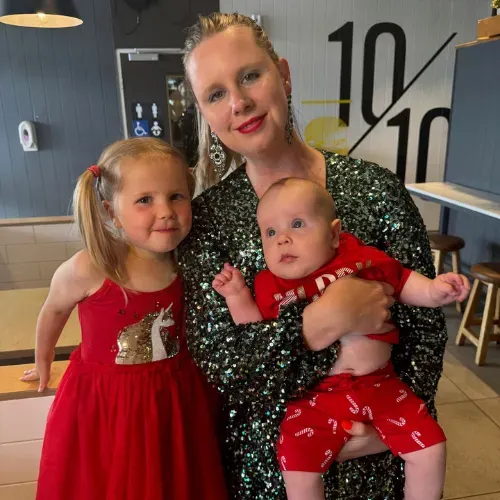
Eva Beke
Certified Paediatric Sleep Consultant
Founder The Sleepy Little Bubs
I’m Eva Beke, a certified baby sleep consultant and founder of The Sleepy Little Bubs, supporting families across Australia and the world with evidence based baby and toddler sleep support.
My approach is realistic, supportive, and designed to evolve as your child grows, so you’re not just getting help for today, but confidence moving forward.
CLIENT STORIES
Real Families. Real Rest.
"Eva is fantastic and helped my family get better sleep."
"I loved the practical advice and lack of judgement - being a mum of a baby who doesn’t sleep is hard and Eva really just gets it and supports you."
- Ashleigh T.

"Eva helped our little one sleep independently and we will forever be grateful for it!"
"After tweaking his environment and wake windows, with sleep training, we already saw improvements within 3 days. Thank you 🙏🏼"
- Farah F.
"Eva showed such kindness and professionalism in our support call."
"I’m so grateful that she made the effort to squeeze me in on short notice, to help a mama in dire need. She’s a gem!
- Johanna S.
PRODUCTS
INFORMATION
SUPPORT
LEGAL



© Copyright The Sleepy Little Bubs All Rights Reserved.