
Bedtime routine for baby and toddler: how to create one that actually works
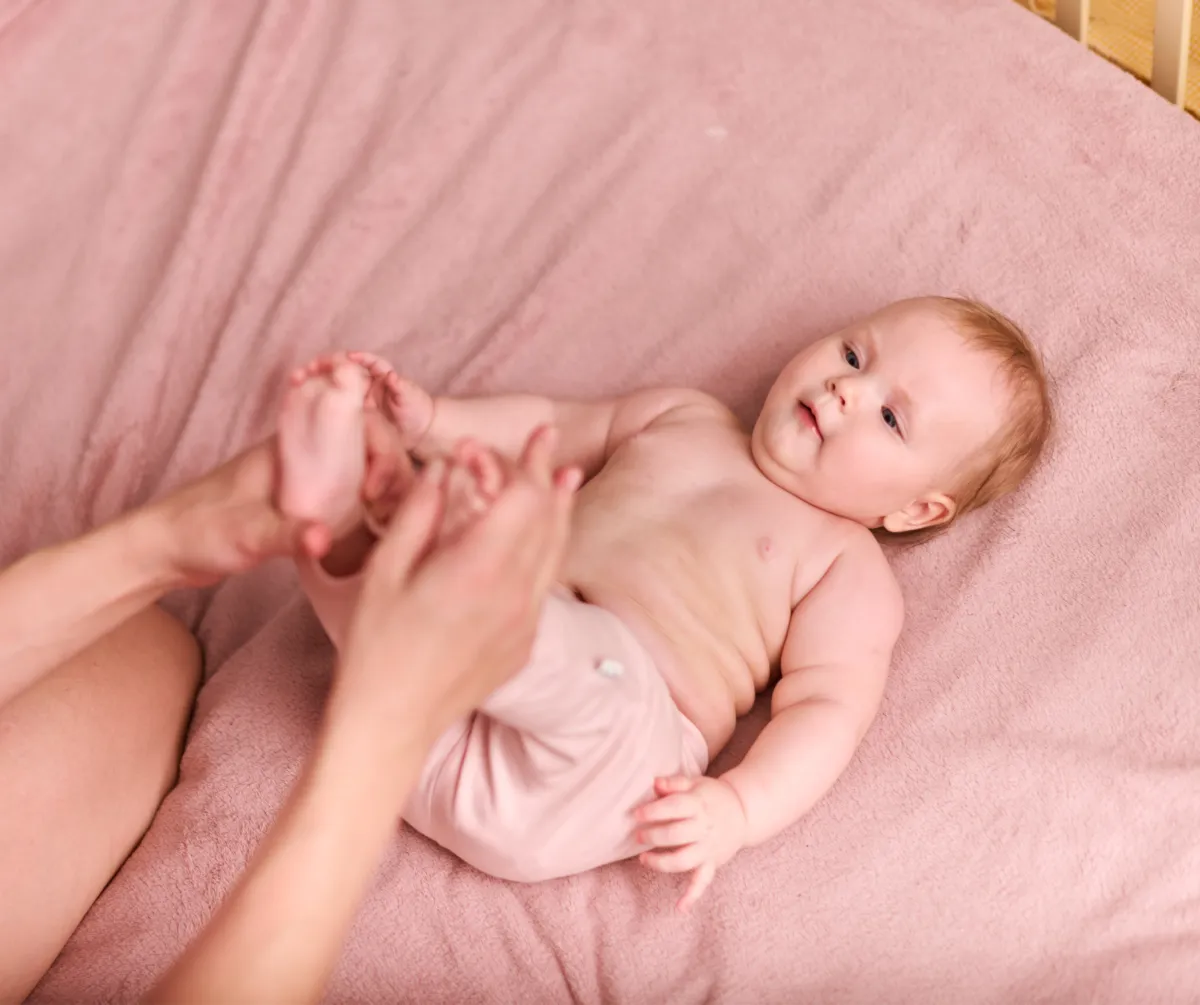


A bedtime routine for your baby is one of the simplest things you can put in place to support better sleep, and also one of the most underestimated. When evenings feel chaotic, settling takes forever, or night waking keeps increasing, the issue is often not that your child will not sleep. It is that their body is missing consistent cues that sleep is coming.
A strong baby sleep routine supports sleep in two ways. First, it helps your child's nervous system slow down so sleep comes more easily. Second, it builds predictability, which reduces resistance, especially during developmental stages like separation anxiety or the 4 month sleep regression.
This guide covers what a bedtime routine actually looks like, when to start one, and how to build something that works for both babies and toddlers.
When to start a bedtime routine for baby
One of the most common questions parents ask is when to start a bedtime routine. The answer is: earlier than you might think.
You can begin introducing simple, consistent steps from the newborn stage. It does not need to be formal or long, even a short sequence of nappy change, feed, and a song repeated at the same time each evening starts building the association between those steps and sleep.
By around 6 to 8 weeks, many babies begin responding to consistent cues. By 3 to 4 months, a clear bedtime routine becomes one of the most powerful tools you have as sleep matures and becomes more organised.
If you are in the early newborn days and wondering what to expect, our newborn sleep guide is a great place to start.
What a bedtime routine for a newborn looks like
A newborn bedtime routine does not need to be elaborate. In the early weeks, short and calm is the goal.
A simple newborn bedtime routine might look like:
Warm bath or wash
Nappy change and pyjamas
Feed
Short wind down (song, gentle rocking, dim lights)
Into sleep space
The whole thing might take 10 to 15 minutes. What matters is that you repeat the same steps in the same order so your baby begins to recognise the sequence as a signal that sleep is next.
For a deeper look at the newborn stage specifically, our newborn sleep blog has more detail on what is normal and what to expect.
When to start a bedtime routine with baby: the 3 month mark
If you are asking when to start a bedtime routine with your baby in a more structured sense, around 3 months is a really good time to begin being more consistent.
A 3 month old bedtime routine might look like:
Bath
Nappy and pyjamas
Feed
Swaddle or sleep sack
Short wind down (dim lights, soft voice, quiet song)
Into bed drowsy but calm
At this age, bedtime is often earlier than parents expect, somewhere between 6.30pm and 8pm depending on your baby's last nap and awake window. Getting the timing right is just as important as the steps themselves.
What to include in the best bedtime routine for babies
A baby sleep routine works best when it includes:
A clear wind down period with reduced stimulation
Feeding at an appropriate point in the sequence
Sleep clothing and consistent sleep cues like a sleep sack
A predictable ending so your baby knows what comes last
The best bedtime routine is not the longest or most involved one. It is the one you can repeat consistently every single night, including the hard ones.
Where to put the feed
For younger babies, feeding can sit closer to the end of the routine, but you still want a clear step after the feed (like a song or a short cuddle) so sleep does not become fully dependent on feeding to onset.
For older babies, feeding is often better placed earlier in the routine, followed by teeth (if they have them), a book, and a calm wind down before bed.
If frequent night waking is increasing and you suspect feeds are playing a role, our night waking blog is worth a read.
Toddler bedtime routine: what changes as they get older
A toddler bedtime routine needs a little more structure and clearer boundaries than a baby routine, because toddlers are very good at stretching bedtime if there is any flexibility to find.
A toddler bedtime routine might look like:
Dinner
Quiet play or bath
Pyjamas and teeth
Two books (agreed in advance)
Cuddle and short chat
Into bed
The key difference with toddlers is that the routine needs a clear endpoint. Toddlers thrive on knowing what is coming and what comes last. If bedtime is regularly becoming a negotiation, it is usually a sign that the boundary around the end of the routine needs to be firmer and more consistent.
For more on this, our bedtime battles blog has practical strategies for toddlers who are pushing back at bedtime.
How long should a bedtime routine be?
For babies, 10 to 20 minutes is plenty. For toddlers, 20 to 30 minutes works well, with a clear structure that does not leave room for the routine to keep expanding.
Longer does not mean better. Calm, consistent, and repeatable is always the goal.
The most common bedtime routine mistakes that affect sleep
The routine is too stimulating
Screens, bright lights, loud play, or lots of physical activity close to bedtime can delay melatonin production and make settling much harder. The wind down needs to actually wind things down.
The routine changes every night
Even small inconsistencies can make sleep feel less predictable to your baby or toddler, especially during developmental stages. Same steps, same order, same time makes a real difference.
The routine is too long and becomes negotiable
This is especially common with toddlers. If the routine has no clear end point, it will keep stretching. Build in a firm finish and stick to it.
Sleep pressure is off
Even the most consistent bedtime routine will not work well if bedtime is happening at the wrong time. If your baby or toddler is fighting sleep or taking a long time to settle, it is often worth checking whether awake windows need adjusting. Our awake windows blog can help you figure out if timing is the issue.
Bedtime routine and sleep environment
Your bedtime routine should lead into a sleep space that supports sleep.
That means:
A dark, calm, and consistent room setup
A comfortable room temperature
White noise if you already use it
A safe sleep space
The environment your baby or toddler settles into matters just as much as the steps that lead there. Our creating a sleep conducive environment blog has a full breakdown of what helps and what gets in the way.
What if my baby still wakes overnight even with a routine?
A consistent bedtime routine helps enormously, but it is not the only piece of the sleep puzzle. If night waking continues after a routine is in place, it usually points to one of these:
Sleep pressure and timing across the day
Sleep associations at bedtime
Separation anxiety and developmental changes
Something in the sleep environment
Night waking is rarely random once you understand the cause. Our frequent night waking blog is the best place to start troubleshooting.
Looking ahead
A bedtime routine is one of the most powerful sleep foundations you can build, and the good news is that it keeps working as your child grows. Through regressions, nap transitions, travel, daycare, and toddler boundary testing, a consistent routine gives you an anchor point that stays steady even when everything else shifts.
If you want support building a routine that fits your baby's specific stage, the Sleepy Little Bubs Infant Sleep Course walks you through routines, awake windows, settling, and troubleshooting from 5 to 24 months, with guidance that adapts as sleep evolves.
Need help building a bedtime routine that works?
If your evenings have turned into an exhausting, multi-hour battle or your toddler has mastered the art of stretching bedtime with endless stall tactics, a 30-minute sleep chat is the perfect next step.
We will get straight to the point and look at your current evening timeline, wind-down steps, and sleep cues to fix the weak links in your routine. You will walk away with a highly practical, no-fuss sequence tailored to your child's age that lowers their cortisol, eliminates bedtime resistance, and signals their brain that it is time to sleep without a fight.
This is ideal for exhausted mums who want fast, personalised expert reassurance and a clear plan of action without committing to a full sleep package.

Eva Beke
Certified Paediatric Sleep Consultant
Founder The Sleepy Little Bubs
I’m Eva Beke, a certified baby and toddler sleep consultant and founder of The Sleepy Little Bubs, supporting families across Australia and the world with evidence based baby and toddler sleep support.
My approach is realistic, supportive, and designed to evolve as your child grows, so you’re not just getting help for today, but confidence moving forward.
The Smarter Way to Invest in Better Sleep
Supporting sleep doesn’t have to mean starting over every time something changes.
Our sleep courses are built to support you long term, with age specific guidance that adapts as your child grows. From early routines and regressions to nap transitions and toddler sleep challenges, you’ll have a clear plan and ongoing support so you can respond with confidence at every stage.

Infant
5-24 Months
Toddler
2-4 Years
PRODUCTS
INFORMATION
SUPPORT
LEGAL




© Copyright The Sleepy Little Bubs All Rights Reserved.