
5 month old sleep routine: naps, awake windows and bedtime



By five months, many babies are starting to find a more predictable rhythm across the day. The 5 month old sleep routine looks different from those early newborn weeks, awake windows are longer, naps are becoming more reliable, and some babies are beginning to stretch their overnight sleep a little further.
If you have just come through the 4-month sleep regression, this stage can feel like a welcome relief. Things are starting to settle, and a loose routine is beginning to take shape. The key word here is loose. At five months, sleep still works best when it is guided by awake windows rather than the clock.
How much sleep does a 5 month old need?
Most 5 month olds need around 12 to 15 hours of total sleep across 24 hours, including day sleep and overnight sleep. Some babies sit at the higher end of this range, while others need slightly less, particularly if they are very alert or going through a busy developmental period.
Day sleep is usually spread across three naps, with night sleep beginning to lengthen for some babies, though not all.
5-month-old awake windows
By five months, awake windows have stretched a little from the four month stage. Most babies do well with awake windows of around 2 hours to 2 hours 15 minutes, though this can vary depending on nap length and your baby's temperament.
If awake windows are too short, you may notice frequent night waking or short naps. If they are too long, overtiredness can creep in and make settling harder.
How many naps does a 5 month old need?
Most babies are on three naps at five months. These naps often start to take on a more predictable shape, usually one longer nap and two shorter ones, though this varies from baby to baby.
If naps are still inconsistent, that is completely normal at this age. Many babies simply need a little more time and development before things click into place.
5 month old sleep schedule examples
These 5 month old sleep schedule examples are guides only. Use them as a flexible starting point rather than strict timetables, since nap lengths and awake windows can still vary a lot at this age.
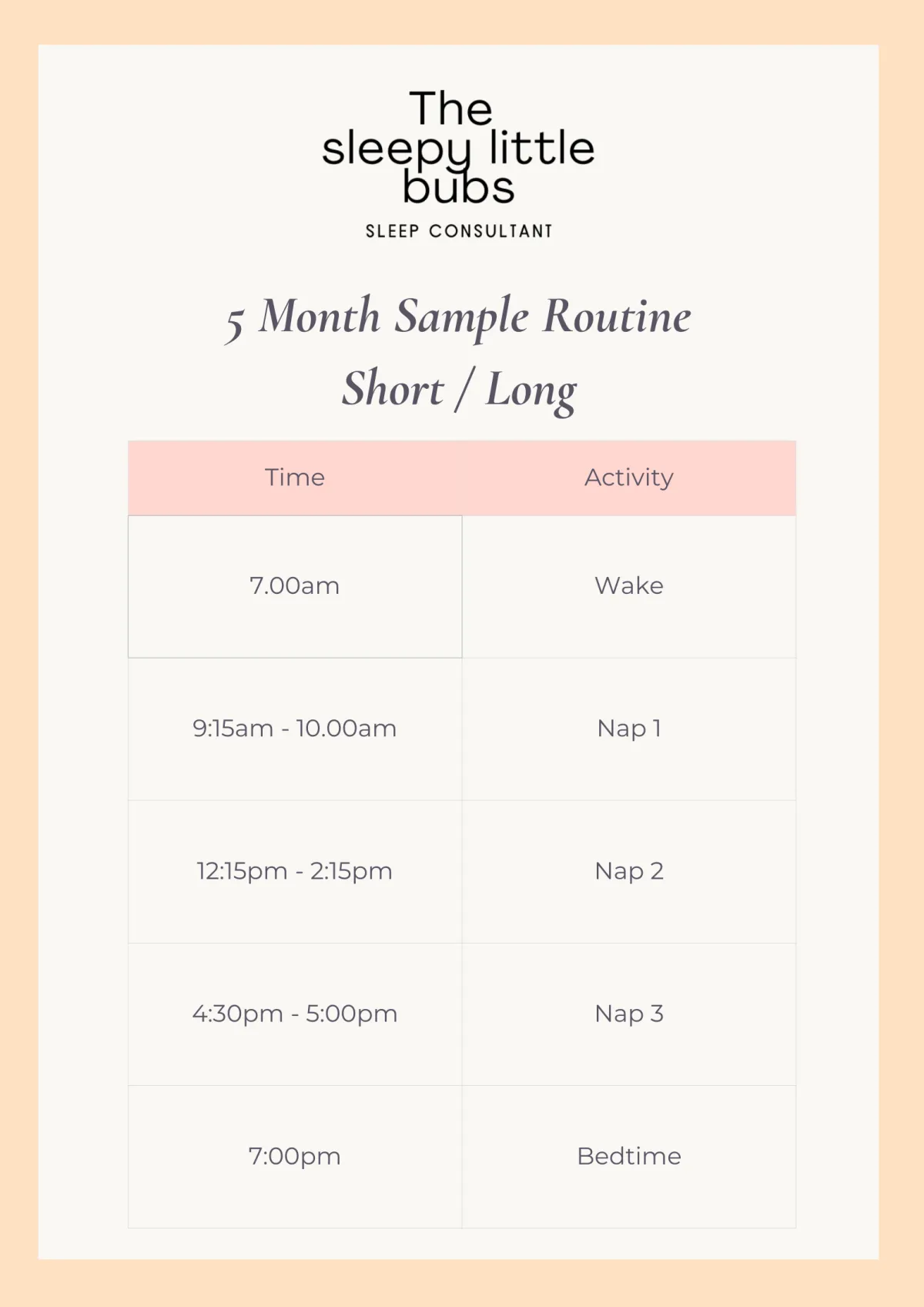
5 Month Old Sleep Schedule: Short Morning Nap & Long Midday Nap
This 5 month old sleep schedule can work well for babies who take a shorter morning nap and a longer midday nap.
Use it as a guide, not a strict routine.
5 Month Old Sleep Scheduled: Two Balanced Naps
This 5 month old sleep schedule can work well for babies who are taking two more evenly balanced naps during the day.
Use it as a flexible guide rather than a strict routine.
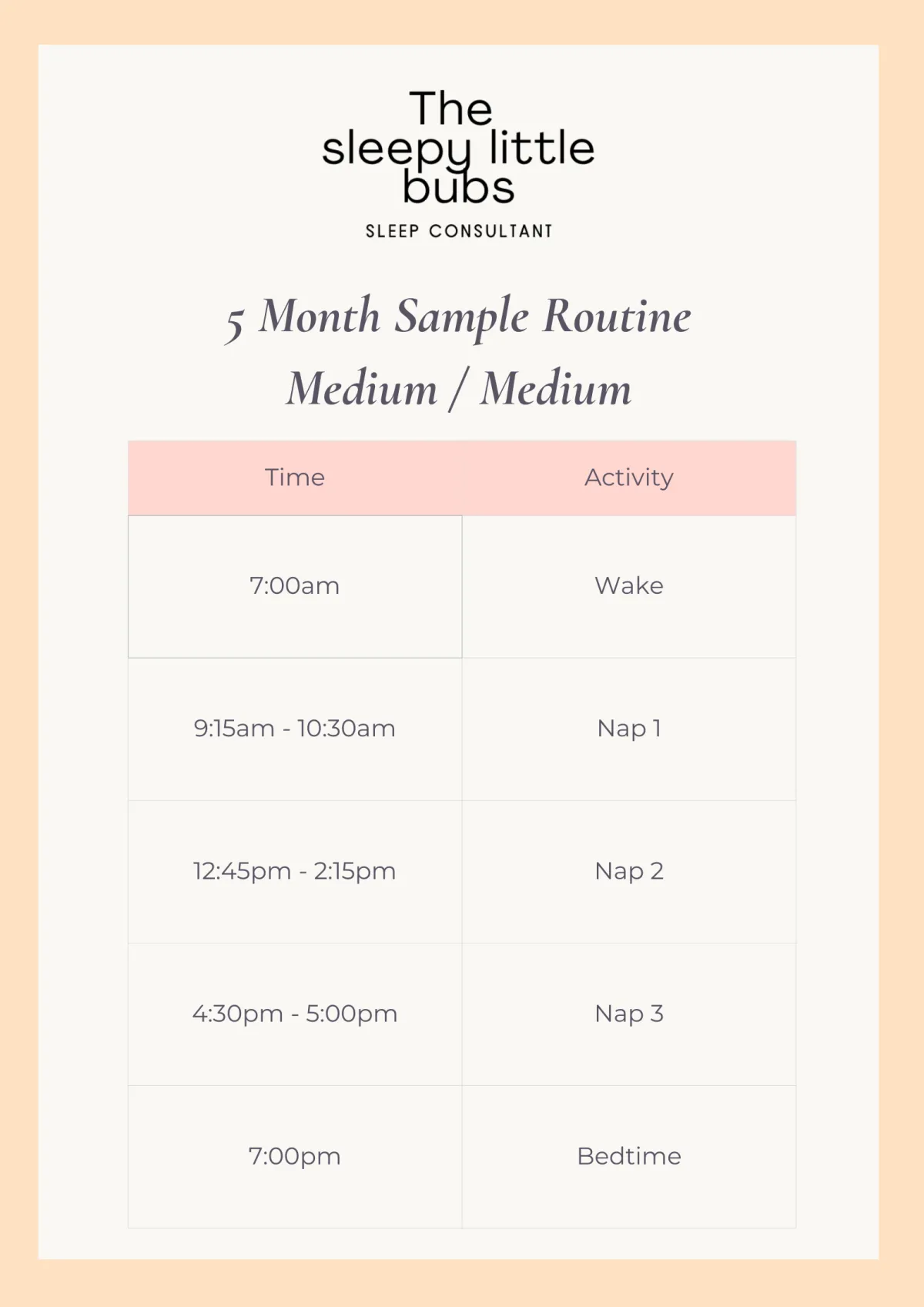
Both routines allow for appropriate awake windows, sufficient day sleep, and enough sleep pressure for bedtime.
Feeding at 5 months
At this age, most babies are having around three to four milk feeds during the day, with one to two overnight feeds still very common. Some babies naturally begin to reduce overnight feeds around this time, while others continue to need them a little longer and that is completely okay.
Feeding patterns can shift during growth spurts, development leaps, or periods of sleep disruption, so variation is normal.
Sleep training at 5 months: is your baby ready?
Five months is often when families start asking about sleep training, especially if night waking is frequent or settling feels unsustainable.
Sleep training does not need to be rushed, and it is not the right fit for every family at this exact stage. Understanding what sleep training actually involves, what options exist, and how they align with your values can help you decide if or when it feels right for you.
For some families, small routine tweaks are enough to make a real difference. For others, more structured support becomes helpful as sleep continues to mature.
How to support your 5 month old's sleep
At five months, the goal is not a perfect routine. It is a flexible framework that supports your baby's sleep needs as they grow and change.
A helpful 5 month old sleep routine will generally include awake windows of around 2 hours to 2 hours 15 minutes, three naps across the day, a calm and predictable wind-down at bedtime, and gradual adjustments rather than big changes all at once.
Watch for signs of undertiredness or overtiredness and let those cues guide you more than the clock.
If nights feel unsustainable, it is worth reviewing feeds, the sleep environment, and how your baby is being settled before making bigger changes.

Looking ahead
From five months onward, sleep keeps evolving. Awake windows stretch, naps consolidate, and routines shift again over the coming months.
The Sleepy Little Bubs 5 to 24 Month Infant Sleep Course supports you through this stage and beyond, with guidance that adapts as your baby grows. It covers routines, regressions, settling, and nap transitions all the way through toddlerhood, so you are never left guessing what comes next.
Need personalised support?
If you are not sure whether your baby's routine is right for this stage, or sleep is starting to feel really hard, Eva is here to help.
Based in Melbourne, Australia and supporting families Australia-wide, Eva offers:
30-minute sleep consultation - a focused session where we look at your baby's routine, naps, feeds, awake windows, and overnight waking, then give you clear, practical next steps tailored to your family.
Two Week Sleep Support - a fully guided two-week program that includes a personalised sleep plan, a 60-minute consultation, and 14 days of weekday support while you make changes. Ideal if sleep feels really unsustainable and you want more hands-on help.
In-home sleep support - hands-on, face-to-face support for families in Melbourne and surrounding areas who want someone there with them through the process.
Sleepy Little Bubs is based in Melbourne and offers virtual sleep consultations across Australia and worldwide, with in-home sleep support available in Melbourne and surrounding areas.
Whether you need quick clarity or more structured support, we can help you find the right next step.
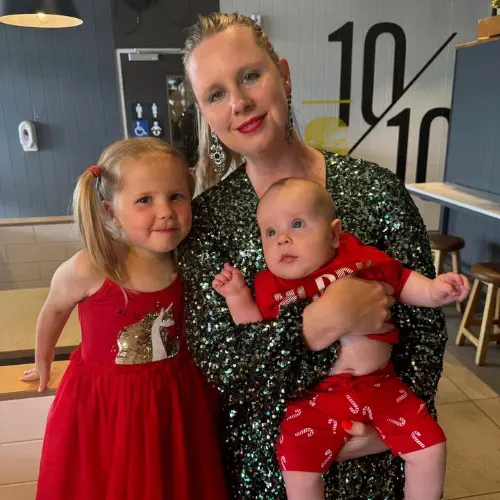
Eva Beke
Certified Paediatric Sleep Consultant
Founder The Sleepy Little Bubs
I’m Eva Beke, a certified baby and toddler sleep consultant and founder of The Sleepy Little Bubs, supporting families across Australia and the world with evidence based baby and toddler sleep support.
My approach is realistic, supportive, and designed to evolve as your child grows, so you’re not just getting help for today, but confidence moving forward.
The Smarter Way to Invest in Better Sleep
Supporting sleep doesn’t have to mean starting over every time something changes.
Our sleep courses are built to support you long term, with age specific guidance that adapts as your child grows. From early routines and regressions to nap transitions and toddler sleep challenges, you’ll have a clear plan and ongoing support so you can respond with confidence at every stage.

Infant
5-24 Months

Toddler
2-4 Years
PRODUCTS
INFORMATION
SUPPORT
LEGAL




© Copyright The Sleepy Little Bubs All Rights Reserved.