
24 Month Sleep Routine: Tips for Your Toddler's
Changing Sleep



What it is, why sleep shifts again, and how to support it
If your toddler was sleeping reasonably well and suddenly bedtime feels harder, nights become more disrupted, or fears and resistance appear out of nowhere, you are not imagining it. From around two years onward, sleep often shifts again as toddlers move through a big period of emotional, cognitive, and behavioural development.
This stage commonly overlaps with the 24 month sleep regression, alongside increased imagination, independence, and awareness of their surroundings. While sleep can feel challenging during this time, these changes are very common and developmentally expected, and with the right routine and environment in place, sleep can settle again.
What does sleep look like from 24 months onward?
From two years and beyond, toddlers are firmly on one nap and capable of managing much longer awake periods. At the same time, emotional development accelerates, which can directly impact sleep.
You may see:
Increased resistance at bedtime
New fears or worries around sleep
Calling out or getting out of bed overnight
Lighter sleep and more vivid dreaming
These changes are often linked to growing imagination, emotional awareness, and changes in how toddlers process the world.
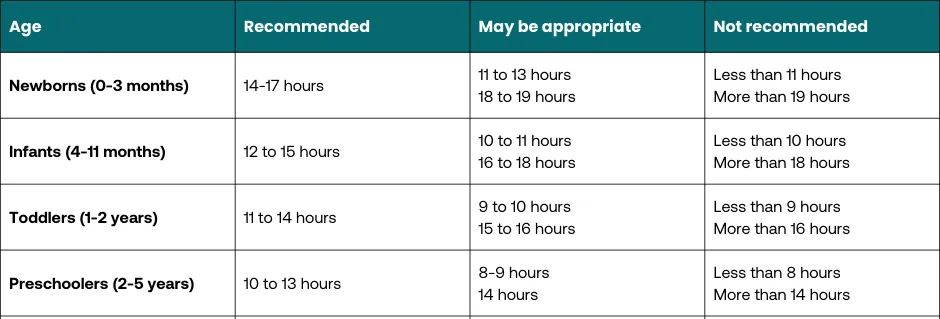
How much sleep does a toddler need from 24 months
Most toddlers aged two years and older are aiming for around 10–13 hours of total sleep across 24 hours, including day sleep and overnight sleep.
This range allows for significant variation. Some toddlers sit comfortably at the lower end, while others still need closer to the higher end. Both can be completely normal.
Day sleep is typically one nap, and overnight sleep may shorten slightly compared to infancy as sleep needs reduce.
One-nap routines at 24+ months
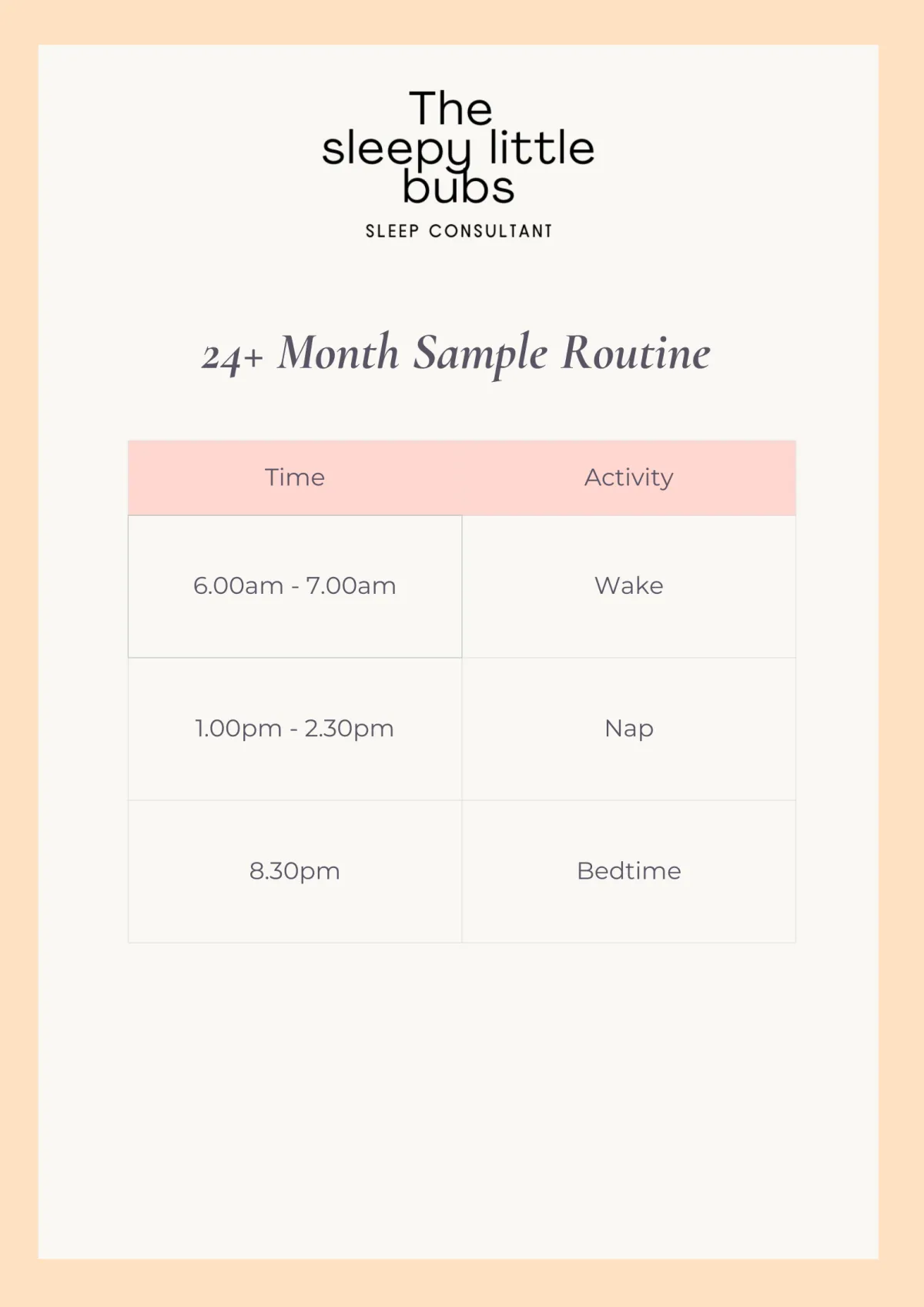
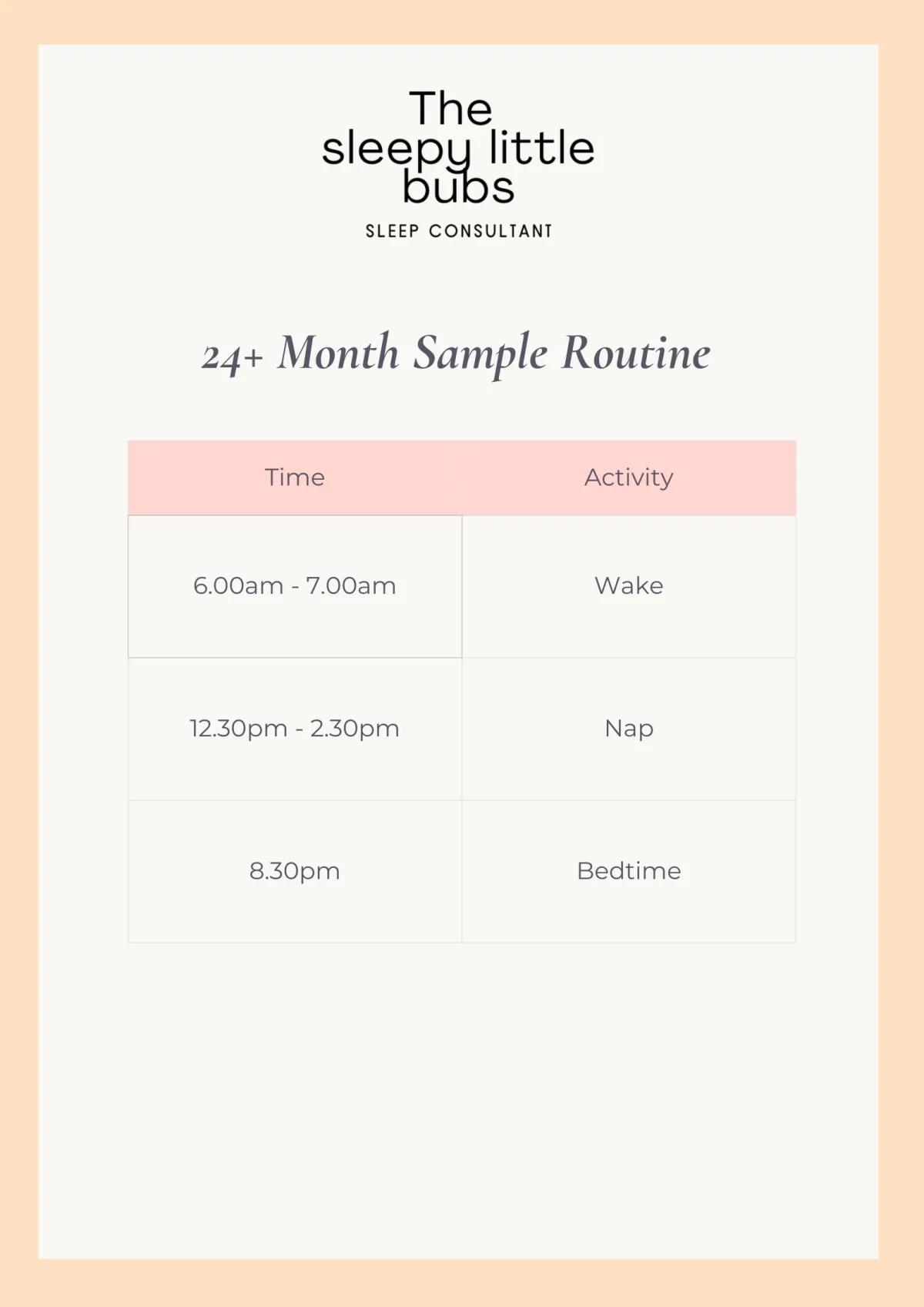
From this age, routines are anchored around one nap and a later bedtime than in earlier toddlerhood. The key is consistency and a routine that matches your child’s total sleep needs.
You may see routines such as:
Example one
Example two
Example three
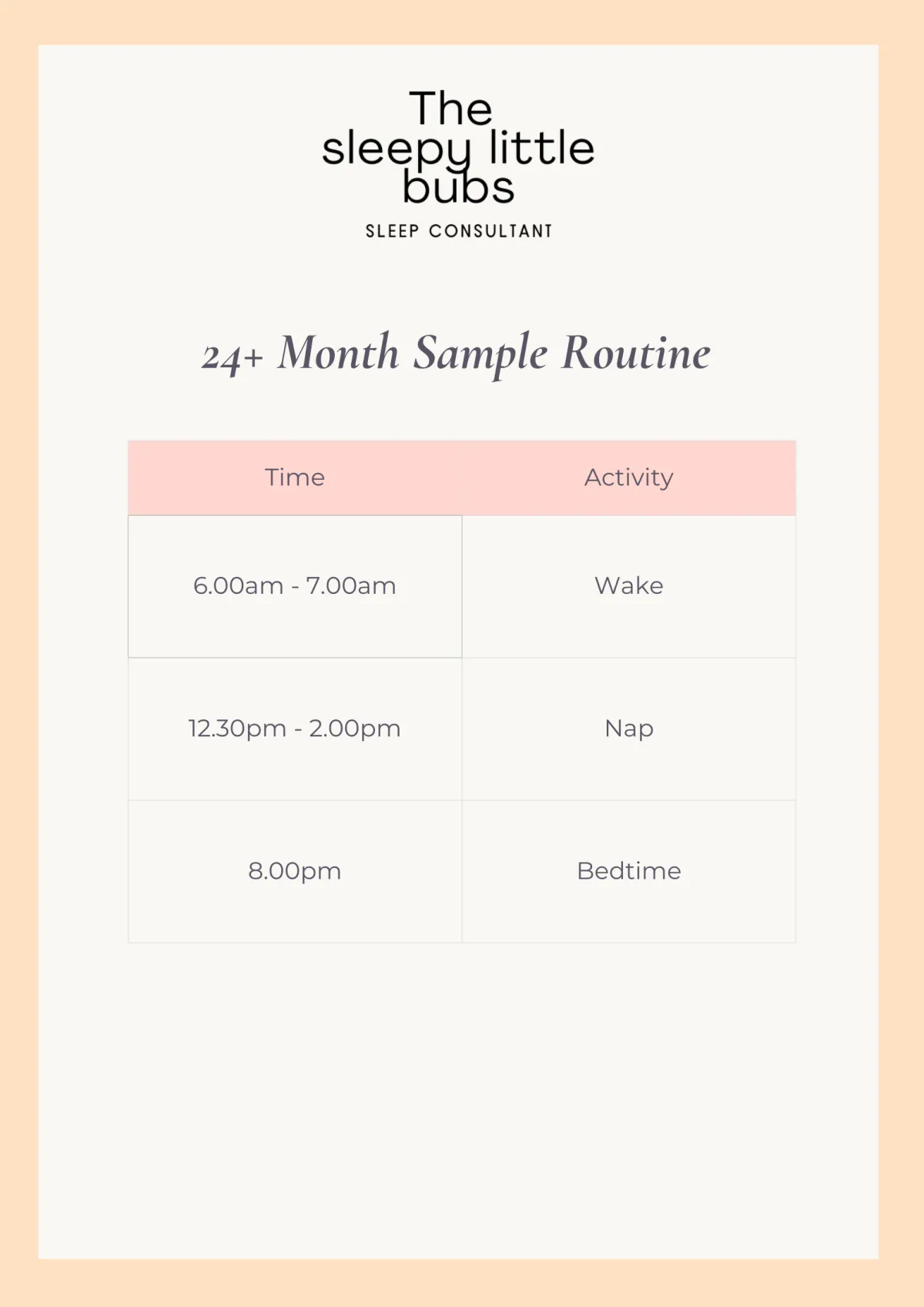
These routines reflect the wide variation in sleep needs at this age. Later bedtimes are very common and do not indicate a problem, provided total sleep remains within a healthy range.
Fear, imagination, and sleep
As toddlers approach and move beyond two years, imagination becomes much more active. This can show up as fear of the dark, worries about being alone, or increased sensitivity at bedtime.
It is also common for toddlers to experience parasomnia, such as night terrors or confusional arousals, which can be alarming but are usually harmless and developmentally driven.
These experiences can make sleep feel less predictable for a period of time, even when routines are consistent.
The toddler sleep environment
Sleep at this age is strongly influenced by the toddler environment. Toddlers are highly aware of their surroundings, boundaries, and routines.
Clear sleep cues, a calm bedroom setup, and predictable expectations around bedtime and overnight behaviour all play an important role in supporting settled sleep.
Environmental changes, such as moving rooms or changing beds, can temporarily disrupt sleep and should be approached with consistency and preparation.
Bedtime resistance and boundary testing
Bedtime battles are very common from two years onward. This stage brings strong opinions, a desire for control, and increasing independence.
Toddlers may resist bedtime through:
Consistently refusing one nap
Managing long awake periods comfortably
Taking one longer nap
Bedtime becoming very late or difficult on two naps
These behaviours are not signs of poor sleep habits. They reflect normal developmental boundary testing and emotional growth.
Supporting sleep from 24 months onward
Keep nap and bedtime timings consistent
Expect later bedtimes as sleep needs reduce
Support fears with reassurance while holding clear boundaries
Keep the sleep environment calm and predictable
Avoid making frequent routine changes
Respond consistently to overnight behaviour
At this age, confidence and consistency from caregivers are just as important as the routine itself.
Looking ahead
Sleep continues to evolve throughout toddlerhood, with further emotional development, imagination, and boundary testing ahead. Having guidance that adapts alongside your child can make these stages feel far more manageable.
The Toddler 2–4 Year Sleep Course provides age-specific support for toddler sleep, covering routines, regressions, fears, parasomnias, bedtime resistance, and environmental setup, so you can approach each stage with clarity and confidence.
Need personalised support for your toddler's sleep?
If your 2 year old's sleep is suddenly off track and you are not sure where to start, Eva is here to help.
A 30-minute sleep consultation is the perfect way to get quick, tailored guidance for your toddler. We will look at their current routine, talk through the challenges you are facing, and give you a clear plan to get sleep back on track.
For more hands-on support, the Two Week Sleep Support package provides a fully personalised sleep plan, a 60-minute consultation, and daily support as you implement the changes.
Sleepy Little Bubs is based in Melbourne and offers both virtual and in-home sleep support across Australia and worldwide.

Eva Beke
Certified Paediatric Sleep Consultant
Founder The Sleepy Little Bubs
I’m Eva Beke, a certified baby and toddler sleep consultant and founder of The Sleepy Little Bubs, supporting families across Australia and the world with evidence based baby and toddler sleep support.
My approach is realistic, supportive, and designed to evolve as your child grows, so you’re not just getting help for today, but confidence moving forward.
The Smarter Way to Invest in Better Sleep
Supporting sleep doesn’t have to mean starting over every time something changes.
Our sleep courses are built to support you long term, with age specific guidance that adapts as your child grows. From early routines and regressions to nap transitions and toddler sleep challenges, you’ll have a clear plan and ongoing support so you can respond with confidence at every stage.

Infant
5-24 Months
Toddler
2-4 Years
PRODUCTS
INFORMATION
SUPPORT
LEGAL




© Copyright The Sleepy Little Bubs All Rights Reserved.