
Night terrors in toddlers: What causes them and how to respond
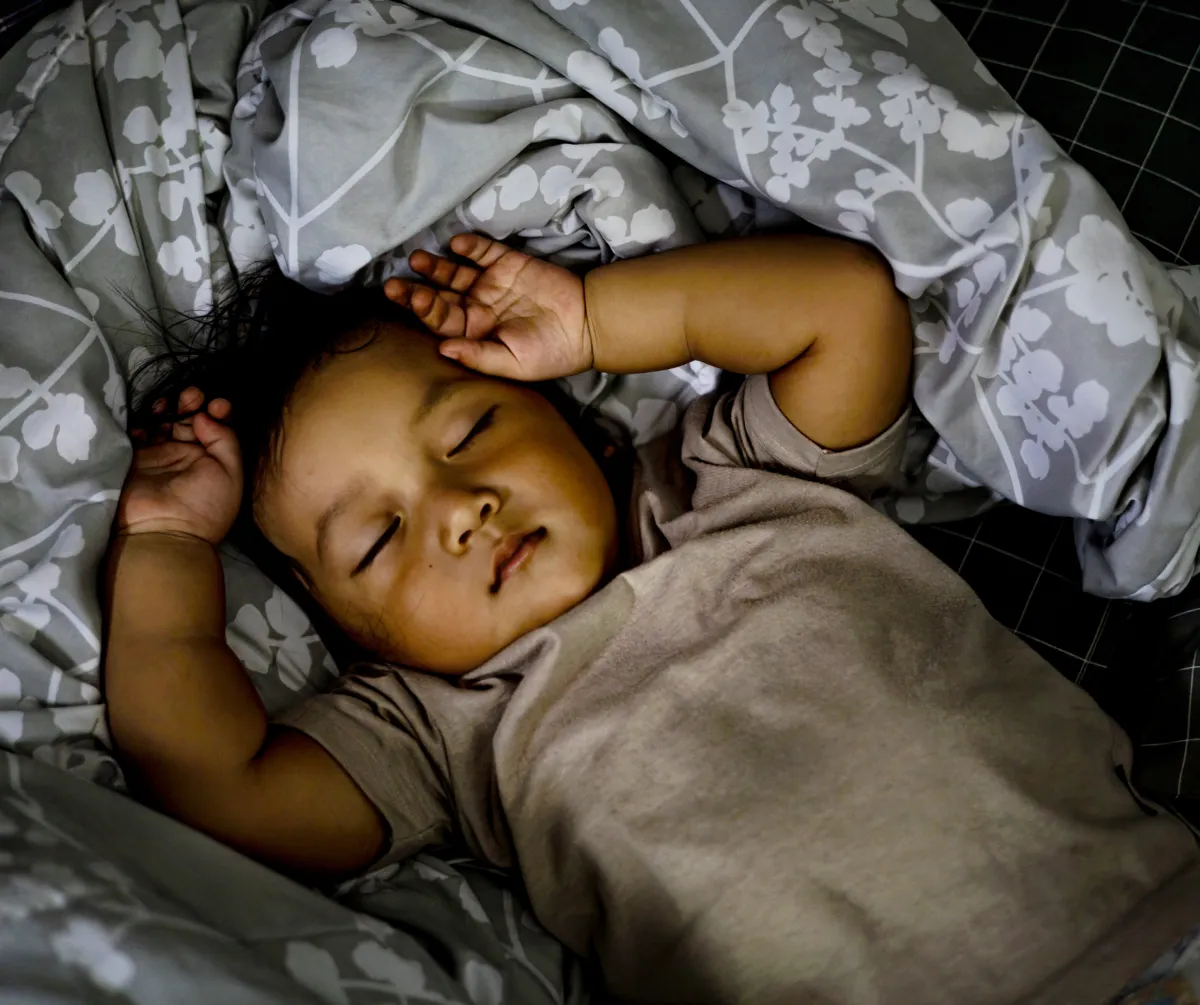


Few things are as terrifying for a parent as watching your child experience a sudden, intense screaming episode in the middle of the night. If your little one sits up completely wide-eyed, screams frantically, thrashing around, and pushes you away when you try to comfort them, you are likely witnessing a night terror.
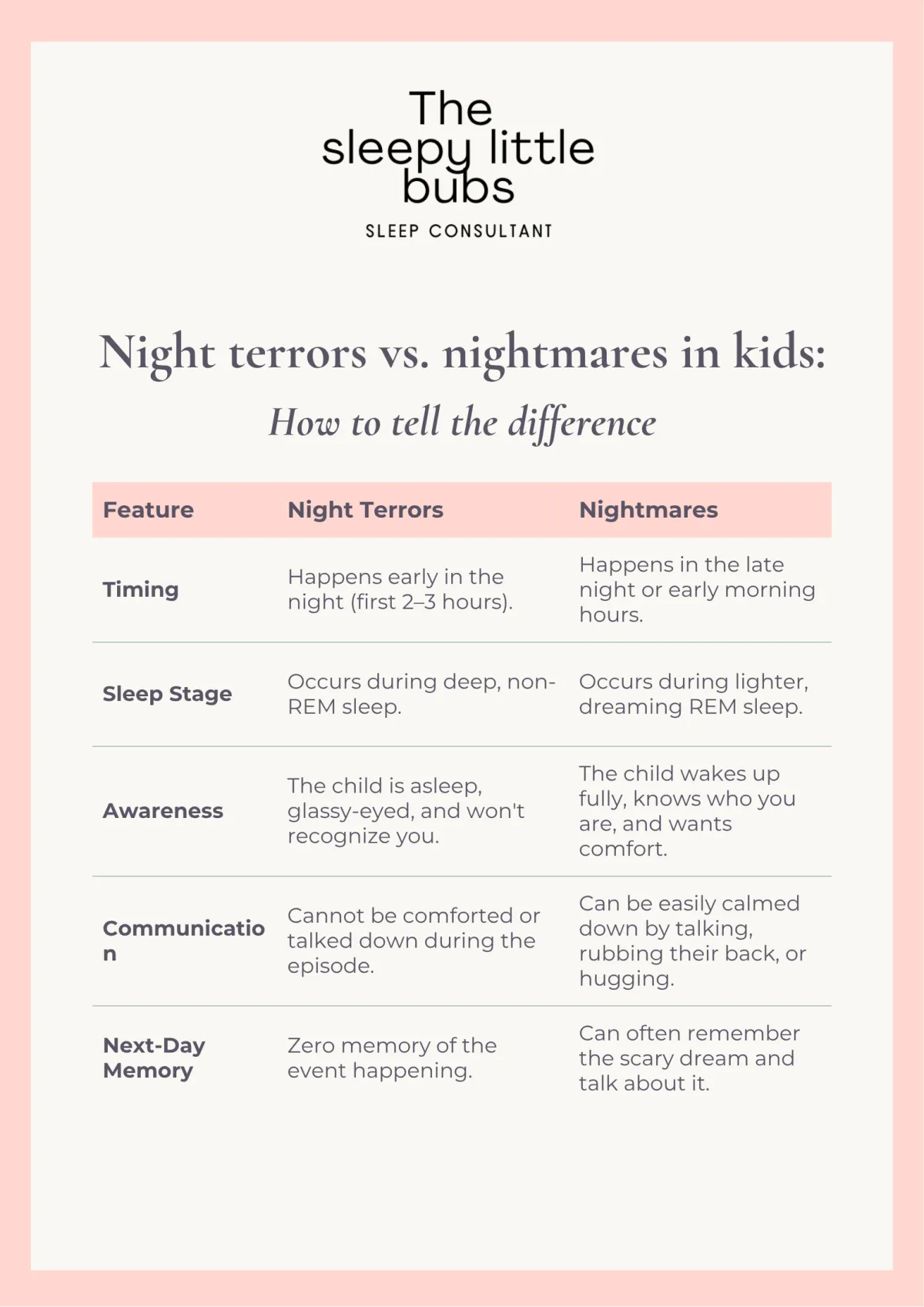
Understanding what are night terrors versus standard nightmares in children is the first step to staying calm. While these episodes look incredibly distressing, your child is actually fast asleep and completely unaware of what is happening. Knowing what triggers night terrors in toddlers allows you to put the right protective measures in place to help their nervous system rest smoothly.
What are night terrors?
Often referred to clinically as sleep terrors, a night terror is a type of parasomnia, a brief disruption that happens when a child gets temporarily "stuck" between the deep stages of non-REM sleep and light waking.
Unlike a bad dream, a night terror usually occurs within the first two to three hours after falling asleep, during the transition out of their deepest sleep cycle. During an episode, your child's fight-or-flight response is fully activated, which explains the racing heart, sweating, and vocal screaming. However, because their brain is still technically asleep, they cannot hear you, they won't recognize your face, and they will have absolutely no memory of the event the next morning.
What causes night terrors in children?
If your household is suddenly dealing with these exhausting episodes, you are likely looking for answers on what causes night terrors. While a child's developing central nervous system is naturally prone to deep sleep transitions, a few specific triggers can cause these episodes to spike.
The most common causes of night terrors include:
Severe overtiredness and sleep deprivation: This is the absolute number one trigger. When a child is physically exhausted, their body crashes deeper into non-REM sleep, making the transition out of it much rockier.
Fever and physical illness: A spike in body temperature or fighting off a virus alters normal sleep architecture and easily triggers parasomnias.
Sudden schedule shifts: Dropping a midday nap too early, a chaotic travel schedule, or a highly erratic bedtime can throw off their biological clock.
Stress or emotional transitions: Major life milestones, such as starting preschool, moving house, or navigating separation anxiety, can hyper-activate their evening nervous system.
Genetics: If a biological parent experienced night terrors in kids or struggled with sleepwalking, their child is statistically more likely to experience them too.
How to support your child safely during an episode
When learning how to help a child with night terrors, your immediate response should pivot away from active soothing and focus entirely on safety and observation.
1. Do not try to wake them up
It can be incredibly tempting to shake your child or yell their name to wake them out of the terror, but this is highly discouraged. Trying to force them awake will only prolong the episode, cause intense confusion, and make them highly agitated or combative.
2. Protect them from physical injury
Because children can thrash wildly, kick, or even try to get out of bed during a sleep terror, stand nearby quietly to ensure they don't hit their head on the cot rails, fall off their floor mattress, or trip over objects in the dark.
3. Keep the interaction quiet and boring
Speak in a low, gentle, monotonous voice if you speak at all. Turn on a dim hall light if necessary, but avoid turning on bright overhead lights. Simply wait the episode out; most night terrors run their natural course within 5 to 20 minutes, after which your child will abruptly stop crying, lie back down, and drift straight back into normal sleep.
4. Optimize their daytime routine to protect sleep pressure
Since overtiredness is the primary trigger for night terrors in kids, take a close look at their daytime routine. Ensure their awake windows are age-appropriate, protect their midday rest, and consider moving bedtime forward by 30 minutes on days when they missed a nap or seem unusually worn out.
Looking ahead
Watching your child deal with night terrors can feel incredibly unsettling, but take comfort in knowing that this is a highly common developmental phase that most children completely outgrow as their nervous system matures. By focusing on consistent bedtime routines and protecting them from severe overtiredness, you can naturally reduce the frequency of these midnight disruptions.
If your toddler is navigating a difficult sleep phase filled with bedtime resistance, overnight wakes, or big emotional regressions, the Toddler Sleep Course offers structured, compassionate, and practical solutions to help your family establish peaceful, predictable nights once again.
Need help with your child's sleep schedule?
If your child’s sleep has suddenly changed and you’re not sure how to manage night wakes, routine shifts, or overtired cycles, a 30-minute sleep chat is the perfect next step.
We’ll look at what’s happening for your little one right now, including their sleep environment, daytime routine, naps, night wakes, and settling, then give you clear, practical guidance so you know what to do next.
This is ideal if you want personalised support without committing to a full sleep package. Virtual consultations are available across Australia and worldwide, with hands-on support options for families based in Melbourne.

Eva Beke
Certified Paediatric Sleep Consultant
Founder The Sleepy Little Bubs
I’m Eva Beke, a certified baby and toddler sleep consultant and founder of The Sleepy Little Bubs, supporting families across Australia and the world with evidence based baby and toddler sleep support.
My approach is realistic, supportive, and designed to evolve as your child grows, so you’re not just getting help for today, but confidence moving forward.
The Smarter Way to Invest in Better Sleep
Supporting sleep doesn’t have to mean starting over every time something changes.
Our sleep courses are built to support you long term, with age specific guidance that adapts as your child grows. From early routines and regressions to nap transitions and toddler sleep challenges, you’ll have a clear plan and ongoing support so you can respond with confidence at every stage.

Infant
5-24 Months
Toddler
2-4 Years
PRODUCTS
INFORMATION
SUPPORT
LEGAL




© Copyright The Sleepy Little Bubs All Rights Reserved.