
Creating a Newborn
Night Routine That Supports Sleep



Newborn sleep can feel unpredictable, fragmented and constantly changing. While newborns are not ready for schedules or routines in the traditional sense, having a simple and consistent night routine can support calmer evenings and smoother transitions into night sleep.
A newborn night routine is not about forcing long stretches or trying to control sleep. It is about creating familiarity, reducing stimulation, and helping your baby’s nervous system wind down after a busy day.
What is a newborn night routine?
A newborn night routine is a short, predictable sequence of calming steps that happens before night sleep.
It does not need to happen at the exact same time every night, and it does not need to be long or complicated.
At this stage, routines are about rhythm rather than the clock.
Why routines help newborn sleep
Newborns are still developing their circadian rhythm and sleep hormones. They rely heavily on external cues to help them distinguish between day and night.
A consistent night routine:
Signals that the day is winding down
Reduces sensory overload
Supports the transition into longer night sleep
Helps evenings feel more predictable for parents
Even though newborns still wake frequently overnight, routines can make settling into night sleep feel smoother.
What should be included in a newborn night routine?
A newborn night routine should be simple, calming, and repeatable. Most routines include a combination of:
A feed
A nappy change if needed
Pyjamas or sleepwear
A cuddle or gentle settling
Being placed down for sleep
The exact order does not matter as much as consistency.
Importantly, routines should always align with safe sleep guidelines to ensure your baby’s sleep environment is appropriate and clear.
How long should a newborn night routine be?
Short is best.
Most newborn night routines last between 10 and 20 minutes. Longer routines can sometimes overstimulate babies rather than help them settle.
If your baby becomes unsettled during the routine, it is okay to shorten it or adjust the order.
When should a newborn night routine start?
There is no “right” age to begin. Many families naturally fall into a rhythm within the first few weeks.
You might notice that evenings become fussier or that your baby is harder to settle. This is often a good time to introduce a gentle routine, even if sleep still feels broken.
Typically around 8 weeks if you haven't already, you do want to start introducing a night routine.
This aligns to when your baby's circadian rhythm starts to develop (this is their internal biological sleep clock).
How catnapping affects night routines
Many newborns nap frequently and briefly throughout the day. This pattern, often referred to as catnapping, can make evenings feel unpredictable.
Catnapping does not mean your baby is doing anything wrong or that nights will be unsettled forever. In fact, frequent short naps are developmentally normal in the newborn stage.
Understanding catnapping can help take the pressure off trying to “fix” daytime sleep before your baby is ready.
Should you keep your baby awake before bedtime?
No.
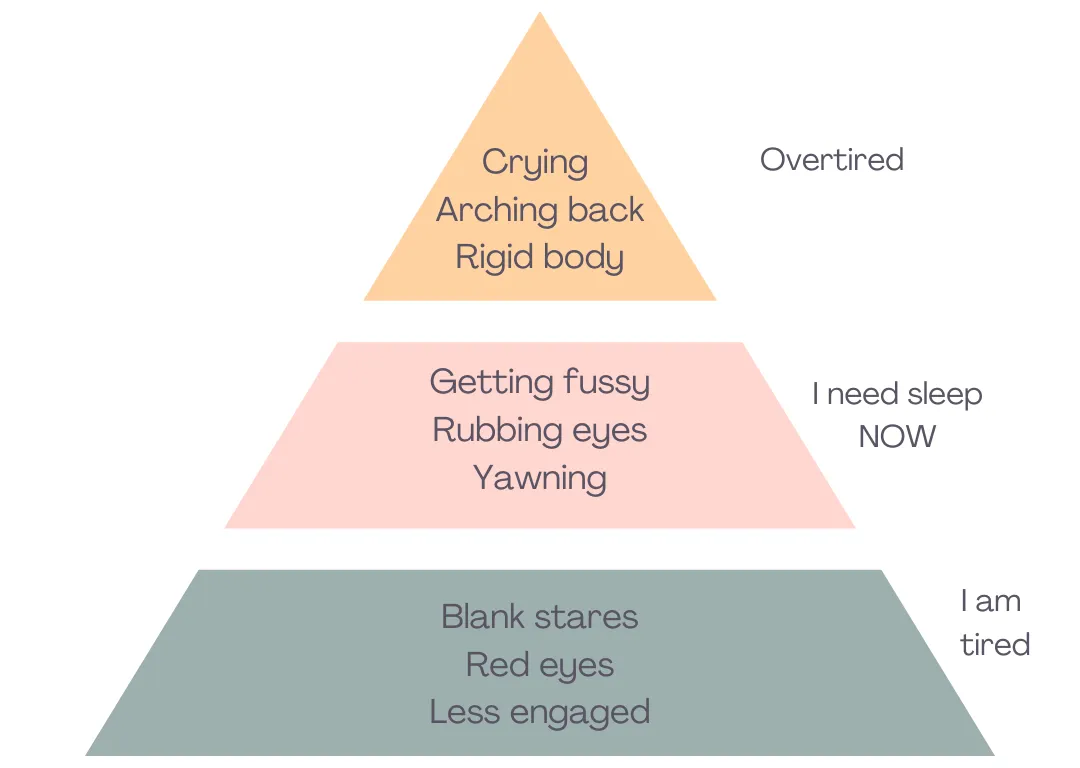
Newborns are not expected to stay awake for long periods, and overtiredness can make settling harder.
Following your baby’s tired cues and offering sleep when needed is far more supportive than trying to stretch awake time.
What if the routine doesn’t seem to work?
A newborn night routine will not magically stop night waking.
Frequent waking is biologically normal in the early months.
If your baby:
Wakes shortly after being put down
Needs support to resettle
Wants to feed frequently overnight
This is expected newborn behaviour, not a sign that the routine is failing.
Routines support sleep, but they do not override development.
Flexibility matters
Some nights will feel smooth. Others will feel chaotic. Growth spurts, cluster feeding, illness, and developmental changes can all affect how evenings unfold.
A routine should support you, not create pressure.
Looking ahead
As your baby grows, routines gradually become more structured, sleep cycles mature, and nights begin to consolidate.
Starting with a simple newborn night routine creates a foundation that can evolve naturally as sleep develops.
The 5–24 Month Infant Course supports families beyond the newborn stage, providing clear guidance on how routines change over time and how to support sleep through each developmental phase.
The Smarter Way to Invest in Better Sleep
Supporting sleep doesn’t have to mean starting over every time something changes. Some stages feel smooth, others feel messy, and that’s completely normal.
If you want guidance that grows with your baby beyond the newborn stage, the 5 to 24 Month Infant Course supports families as sleep continues to evolve through infancy and beyond.

Infant
5-24 Months

Toddler
2-4 Years
PRODUCTS
INFORMATION
SUPPORT
LEGAL


© Copyright The Sleepy Little Bubs All Rights Reserved.