
Creating a Newborn
Night Routine That Supports Sleep



Newborn sleep can feel like a guessing game! One evening your baby settles beautifully after a feed, and the next you're spending two hours rocking, feeding and walking around the house wondering WHY they won't fall asleep.
And while newborns aren't ready for strict schedules or predictable bedtimes during those early weeks, that doesn't mean you can't start introducing a simple bedtime routine.
In fact, having a few familiar steps before sleep can be a lovely way to create some consistency, particularly when your baby's sleep patterns are changing from one day to the next.
But here's something important to understand: a newborn bedtime routine isn't going to magically make your baby sleep through the night.
Your baby will still need regular feeds, may wake frequently and might need plenty of support to fall asleep. All of that is completely normal!
The goal is to create a familiar, calm environment before bedtime while working with your baby's individual sleep needs, rather than expecting them to follow a rigid schedule.
So what should a newborn night routine actually look like, and when should you start introducing one?
What is a newborn night routine?
A newborn night routine is simply a few familiar steps you follow before settling your baby for their nighttime sleep.
And no, it doesn't need to involve a bath, massage, storytime and an elaborate 45-minute bedtime routine!
It might be as simple as changing their nappy, putting them into their sleeping bag, offering a feed, dimming the lights and having a cuddle before settling them into their cot or bassinet.
During those early weeks, your newborn's bedtime might look completely different from one evening to the next, and that's okay.
Some evenings they might be ready to settle at 7.00pm, while other nights they're cluster feeding and not ready for a longer stretch of sleep until much later.
The important thing is that you're creating some familiarity around bedtime without becoming fixated on the clock.
And remember, a bedtime routine doesn't need to be exactly the same every single night to be worthwhile.
Consistency is helpful, but flexibility is just as important during the newborn stage.
Why routines help newborn sleep
During those early weeks, your newborn is still developing their circadian rhythm, which is essentially their internal body clock that helps distinguish between daytime and nighttime.
This is why you might find your baby happily sleeping for longer stretches throughout the day, only to become wide awake and ready for a party at 2.00am!
Their body clock is still developing, and exposure to natural daylight during the day and a darker environment overnight can help support this process.
A simple bedtime routine can also introduce some familiarity around sleep.
Dimming the lights, reducing household activity, changing into a sleeping bag and having some quiet time together can help create a calmer transition into the evening.
And sometimes, having a predictable routine is just as helpful for parents!
When you've spent the entire day feeding, changing nappies and trying to work out when your newborn might sleep next, having a few familiar steps before bedtime can make evenings feel a little less chaotic.
But I do want to be clear about something: a bedtime routine alone won't make your newborn sleep for longer stretches overnight.
Their feeding needs, sleep pressure, daytime sleep and developing circadian rhythm will all influence how their nights unfold.
A routine can support the transition into nighttime sleep, but it isn't a replacement for understanding your baby's individual sleep needs.
What should be included in a newborn night routine?
The good news is that your newborn's bedtime routine doesn't need to be complicated!
In fact, I would encourage parents to keep things relatively simple, particularly during those first few weeks when feeding and sleep can still feel quite unpredictable.
A bedtime routine might involve offering a feed, changing your baby's nappy, putting them into their pyjamas or sleeping bag, dimming the lights and spending a few minutes cuddling or settling them before sleep.
And that's it!
You don't need to include a bath every evening, and you certainly don't need to spend 45 minutes working through an elaborate routine when your newborn is already ready for sleep.
The order of these steps isn't particularly important either. Some babies prefer feeding immediately before sleep, while others might have their feed earlier and enjoy a cuddle before being placed into their cot.
What matters is finding something that works for your baby and is realistic for your family to repeat.
And if your newborn falls asleep during their bedtime feed? That's completely normal too! You don't need to wake them simply to finish the routine.
Just remember that however you choose to settle your newborn, they should always be placed on their back in their own safe sleep space, with a firm, flat mattress and no loose bedding, pillows or soft toys.
You can read more about creating a safe sleep environment in our Safe Sleep blog.
The goal isn't a perfect bedtime routine. It's a simple, familiar way to finish the day without adding another thing for exhausted parents to worry about.
How long should a newborn night routine be?
You really don't need to spend 30–45 minutes getting your newborn ready for bed!
For most families, around 10–20 minutes is plenty, although there's no magic number you need to aim for.
If your baby has already been awake for a while and is ready for sleep, the last thing you want to do is drag out bedtime with unnecessary steps.
A quick nappy change, sleeping bag, feed and cuddle might be all they need.
And if your newborn is particularly unsettled or has been cluster feeding all evening, don't feel like you need to complete every step of the routine before they can go to sleep.
Sometimes the best bedtime routine is simply recognising that your baby is ready for sleep and helping them get there!
The important thing is to keep it practical, flexible and appropriate for your baby's individual sleep needs.
When should a newborn night routine start?
There's no specific age when you HAVE to introduce a bedtime routine, and if you've already started one during those first few weeks, that's absolutely fine!
However, if you haven't introduced one yet, around six to eight weeks can be a good time to start establishing a little more consistency around bedtime.
This is because your baby's circadian rhythm, essentially their internal biological clock, is beginning to develop.
During those early weeks, newborns don't have a well-established distinction between day and night, which is why you might find your baby sleeping beautifully throughout the day but wanting to feed and stay awake for longer periods overnight.
As their circadian rhythm develops, exposure to natural daylight during the day, a darker environment overnight and familiar bedtime patterns can help support that process.
But remember, introducing a bedtime routine at eight weeks doesn't mean your baby suddenly needs a strict 7.00pm bedtime!
Their sleep needs, feeding patterns and bedtime will still vary, and that's completely normal.
The aim is simply to start creating some familiarity around nighttime sleep while allowing plenty of flexibility as your baby grows.
How catnapping affects newborn night routines
If your newborn is having 30–45 minute naps throughout the day, you might find that bedtime feels like a moving target!
One day your baby might have a couple of longer naps and settle beautifully in the evening, while the next they're having short naps ALL day and you're wondering how on earth you're supposed to fit everything in.
And while catnapping is incredibly common during the newborn stage, it can influence how your baby's evenings unfold.
If your newborn has had several short naps and hasn't accumulated enough sleep throughout the day, they may reach the evening having been pushed beyond their threshold, making settling more challenging.
On the other hand, if they've had plenty of sleep throughout the day or their final nap finishes quite late, they might not have built enough sleep pressure to be ready for bedtime.
This is why I don't recommend forcing a newborn into the exact same bedtime every evening, regardless of how their naps have unfolded.
Instead, consider how much sleep they've had across the day, when their last nap finished and how long they've been awake.
And remember, a 30-minute nap isn't automatically a problem!
Some newborns have shorter naps and are perfectly happy, feeding well and getting enough sleep overall. Others might benefit from adjustments to their awake time or nap distribution.
If you're dealing with consistently short naps, our Newborn Catnapping blog explains why they happen and when it might be worth making some changes.
Should you keep your newborn awake before bedtime?
This is something I see parents getting confused about ALL the time!
There's a common belief that keeping your baby awake for longer before bedtime will help them sleep better overnight.
But it's not quite that simple.
Sleep pressure builds while we're awake, and we need enough sleep pressure to be able to fall asleep and stay asleep.
So yes, having an appropriate period of awake time before bedtime is important, even during the newborn stage.
However, that doesn't mean keeping your newborn awake for hours in the hope they'll be exhausted enough to sleep through the night!
If your baby has already been awake for longer than they can comfortably manage, continuing to stretch that awake time may make settling more difficult.
On the other hand, if your newborn has just woken from a long late-afternoon nap, they might not have built enough sleep pressure to be ready for bedtime.
And this is where understanding your baby's individual sleep needs becomes really important.
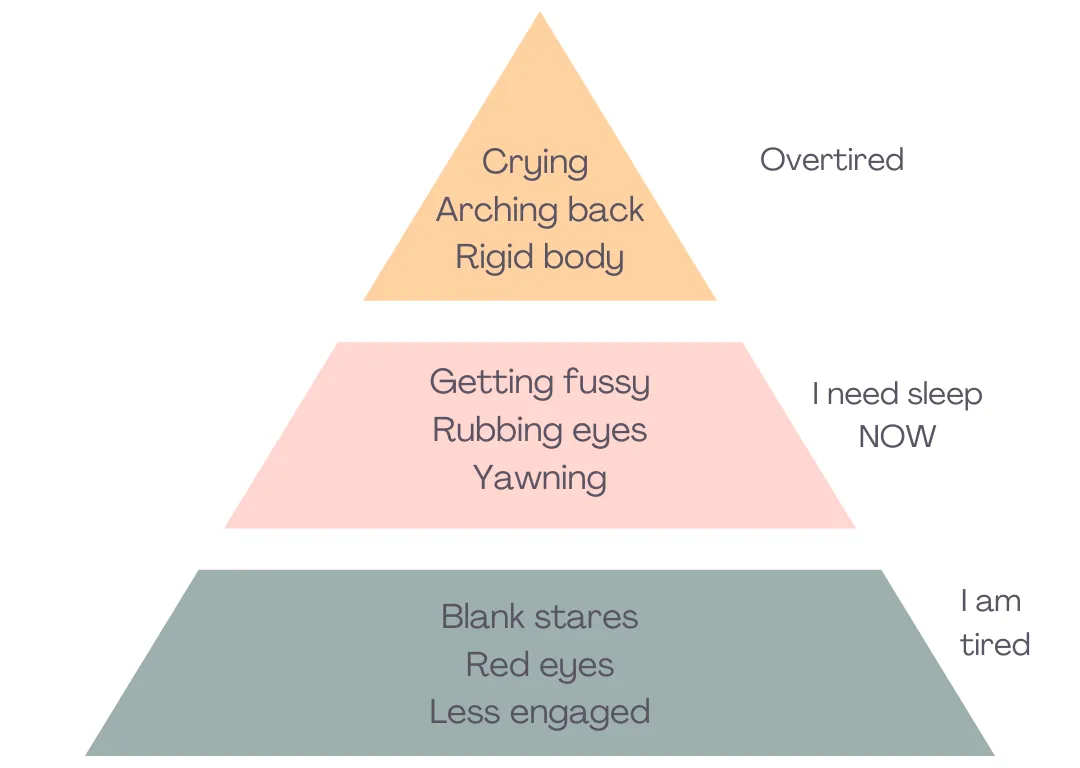
Rather than following a rigid awake window or relying solely on tired signs, consider how much sleep your baby has had throughout the day, when their last nap finished and how long they've been awake.
The goal isn't to keep your newborn awake for as long as possible. It's to find the balance between enough sleep pressure for bedtime and not pushing them beyond their threshold.
And remember, during those early weeks, bedtime may naturally fall later in the evening. You don't need to force a 7.00pm bedtime if your newborn simply isn't ready for it.
What if the newborn night routine doesn’t seem to work?
First things first, introducing a bedtime routine isn't going to magically stop your newborn from waking overnight!
Your baby will still need regular feeds, may wake shortly after being put down and might need plenty of support to fall asleep again.
And that's completely normal during those early weeks.
But if you're spending HOURS trying to settle your newborn every evening, or they're consistently waking shortly after bedtime, I wouldn't automatically assume it's just something you have to accept.
Sometimes the issue isn't the bedtime routine itself.
Your baby might not have built enough sleep pressure to be ready for a longer stretch of sleep, particularly if they've had a late afternoon nap.
Alternatively, they may have spent too long awake, had insufficient sleep throughout the day or be experiencing feeding difficulties or discomfort.
This is why I always encourage parents to consider what their baby's entire day has looked like, rather than focusing solely on what happens during the 20 minutes before bedtime.
And remember, a bedtime routine doesn't need to result in your newborn falling asleep independently or sleeping for hours overnight to be worthwhile.
A routine creates familiarity around bedtime, but appropriate sleep pressure, feeding needs and your baby's individual sleep requirements still matter.
If your newborn is feeding well, growing appropriately and generally settling with support, there's no need to change everything simply because they're still waking overnight.
Flexibility matters
Some evenings your newborn might settle beautifully after a feed, while other nights you're dealing with cluster feeding, an unsettled baby and a bedtime that seems to get later and later!
And that's newborn life.
Growth spurts, feeding needs, illness, developmental changes and how much sleep your baby has had throughout the day can all influence how bedtime unfolds.
If your newborn is hungry halfway through their bedtime routine, feed them. If they're ready for sleep earlier than usual, there's no need to keep them awake just to stick to a particular time.
And if the entire routine goes out the window one evening? That's okay too!
A bedtime routine should make evenings easier, not become another source of stress.
Consistency can be helpful, but being flexible enough to adjust to your baby's needs is just as important, particularly during those first few months.
Need personalised support?
If you are not sure whether your baby's routine is right for this stage, or sleep is starting to feel really hard, our team is here to help.
Based in Melbourne, Australia and supporting families Australia-wide, our team offers:
30-minute sleep consultation - a focused session where we look at your baby's routine, naps, feeds, awake windows, and overnight waking, then give you clear, practical next steps tailored to your family.
Two Week Sleep Support - a fully guided two-week program that includes a personalised sleep plan, a 60-minute consultation, and 10 days of weekday support while you make changes. Ideal if sleep feels really unsustainable and you want more hands-on help.
In-home sleep support - hands-on, face-to-face support for families in Melbourne, Sydney, Byron Bay Shire, Gold Coast and surrounding areas who want someone there with them through the process.
The Sleepy Little Bubs is based in Melbourne and offers virtual sleep consultations across Australia and worldwide.
Whether you need quick clarity or more structured support, we can help you find the right next step.

Eva Beke
Certified Paediatric Sleep Consultant
Founder The Sleepy Little Bubs
I’m Eva Beke, a certified baby sleep consultant and founder of The Sleepy Little Bubs, supporting families across Australia and the world with evidence based baby and toddler sleep support.
My approach is realistic, supportive, and designed to evolve as your child grows, so you’re not just getting help for today, but confidence moving forward.
CLIENT STORIES
Real Families. Real Rest.

"Eva is fantastic and helped my family get better sleep."
"I loved the practical advice and lack of judgement - being a mum of a baby who doesn’t sleep is hard and Eva really just gets it and supports you."
- Ashleigh T.


"Eva helped our little one sleep independently and we will forever be grateful for it!"
"After tweaking his environment and wake windows, with sleep training, we already saw improvements within 3 days. Thank you 🙏🏼"
- Farah F.

"Eva showed such kindness and professionalism in our support call."
"I’m so grateful that she made the effort to squeeze me in on short notice, to help a mama in dire need. She’s a gem!
- Johanna S.
PRODUCTS
INFORMATION
SUPPORT
LEGAL




© Copyright The Sleepy Little Bubs All Rights Reserved.