How to help a sick baby sleep and manage disruptions
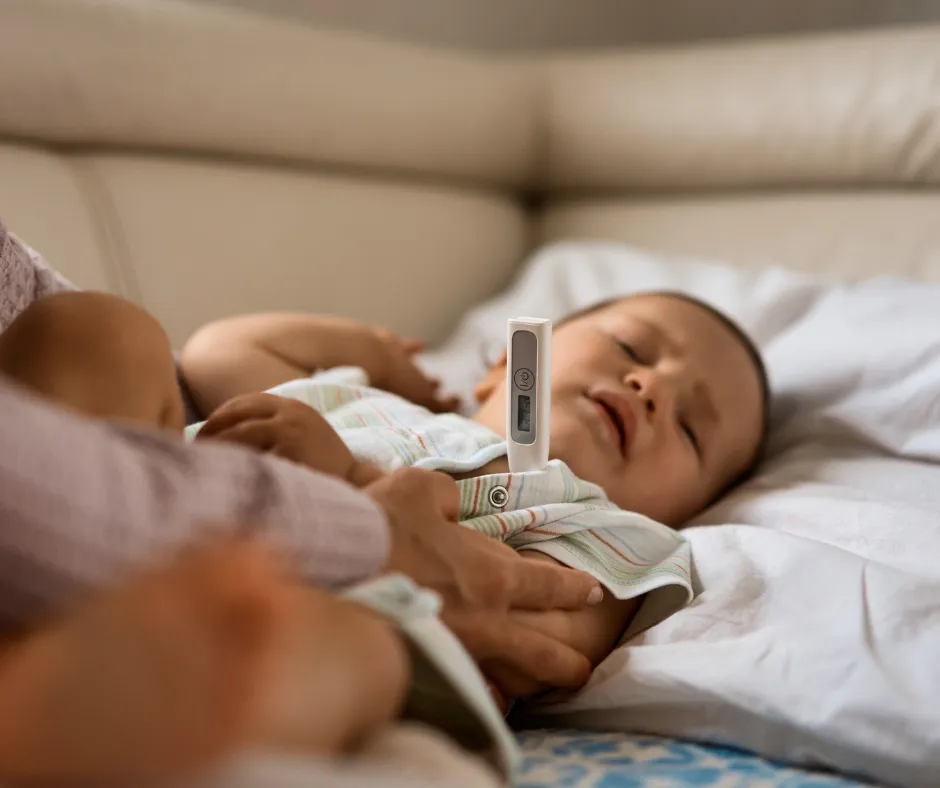


When your little one comes down with a cold or a virus, their usual routine often flies straight out the window. Knowing how to help sick baby sleep becomes the absolute top priority for exhausted parents. Settling can suddenly take twice as long, overnight wakes can multiply, and your child may need far more comfort than usual.
Disrupted sleep during an illness is completely normal, and it does not mean you have undone all your hard work. Your child’s body is simply doing exactly what it needs to do by prioritising comfort, hydration, and recovery.
What to do when baby is sick and sleep falls apart
When looking at what to do when baby is sick, the most important thing to remember is that comfort always comes before any sleep rules. Illness throws off sleep because congestion makes lying flat uncomfortable, coughing breaks sleep cycles, and a fluctuating baby temperature causes physical restlessness. You might also notice your baby crying in sleep more often due to localised aches, blockages, or general discomfort.
Common symptoms that regularly disrupt sleep cycles include:
Glaring nasal congestion that interrupts easy breathing
A persistent cough that wakes them at lighter points of sleep
Fever and chills that cause frequent overnight stirring
A temporary drop in daytime appetite that shifts feeding needs overnight
Do babies sleep more when sick?
A very common question parents ask during an illness is, do babies sleep more when sick? The answer is generally yes, as their immune system requires an immense amount of energy to fight off infection and recover.
However, while they might want or need more sleep overall, that sleep is usually highly fragmented. If your sick baby won't sleep for long stretches or constantly wakes up shortly after drifting off, it is typically because their physical symptoms are jarring them awake the moment they move from deep sleep into light sleep.
Practical steps for how to help sick baby sleep safely
Even when your baby is heavily congested, safe sleep practices must remain your absolute foundation. It can be incredibly tempting to try unapproved positioning to help them breathe, but the official safety frameworks from Red Nose Australia, the Lullaby Trust (UK), and the AAP (American Academy of Pediatrics) must still be followed strictly. Always place your baby flat on their back, on a firm surface, inside a completely clear cot space.
Offer responsive comfort without the worry
This is not the time to worry about creating bad habits or breaking sleep associations. If you need to hold your baby for their naps, respond faster to their cries, or offer extra feeds to keep their fluid intake high, please do so. Your only job during an illness is comfort.
Lean into an earlier bedtime
When daytime naps are short, broken, and unpredictable, bringing bedtime forward by 30 to 60 minutes can prevent severe overtiredness from taking hold, making it easier for their body to rest and recover.
Getting back on track after recovery
The biggest misconception families have is assuming they will have to perform major sleep training to undo illness support. You usually do not. Most children naturally settle back into their normal sleep patterns within three to seven nights of being completely well.
Once the illness has passed, simply return to your regular day structure and your usual settling approach gradually. If the frequent night waking or intense boundary pushing continues for more than two weeks after they have fully recovered, it usually indicates that daytime sleep pressure needs adjusting or your regular routine needs a quick tweak.
Looking ahead
Illness will always interrupt sleep from time to time, but it is just a temporary bump in the road. Once your child recovers, having a clear plan can help you return to predictable rest without the second-guessing.
If your baby is between five and twenty-four months and you want to ensure your regular routine is fully optimised to handle future regressions or disruptions, the Infant Sleep Course offers practical, age-specific guidance to keep sleep on track.
Need help with your baby's sleep schedule?
If your baby’s sleep has suddenly changed due to an illness or regression and you’re not sure how to get back on track, a 30-minute sleep chat is the perfect next step.
We’ll look at what’s happening for your baby right now, including their current routine, recovery, naps, night wakes, and settling, then give you clear, practical guidance so you know what to do next.
This is ideal if you want personalised support without committing to a full sleep package. Virtual consultations are available across Australia and worldwide, with hands-on support options for families based in Melbourne.

Eva Beke
Certified Paediatric Sleep Consultant
Founder The Sleepy Little Bubs
I’m Eva Beke, a certified baby and toddler sleep consultant and founder of The Sleepy Little Bubs, supporting families across Australia and the world with evidence based baby and toddler sleep support.
My approach is realistic, supportive, and designed to evolve as your child grows, so you’re not just getting help for today, but confidence moving forward.
The Smarter Way to Invest in Better Sleep
Supporting sleep doesn’t have to mean starting over every time something changes.
Our sleep courses are built to support you long term, with age specific guidance that adapts as your child grows. From early routines and regressions to nap transitions and toddler sleep challenges, you’ll have a clear plan and ongoing support so you can respond with confidence at every stage.

Infant
5-24 Months
Toddler
2-4 Years
PRODUCTS
INFORMATION
SUPPORT
LEGAL



© Copyright The Sleepy Little Bubs All Rights Reserved.