What should a baby sleep in for safe and comfortable rest



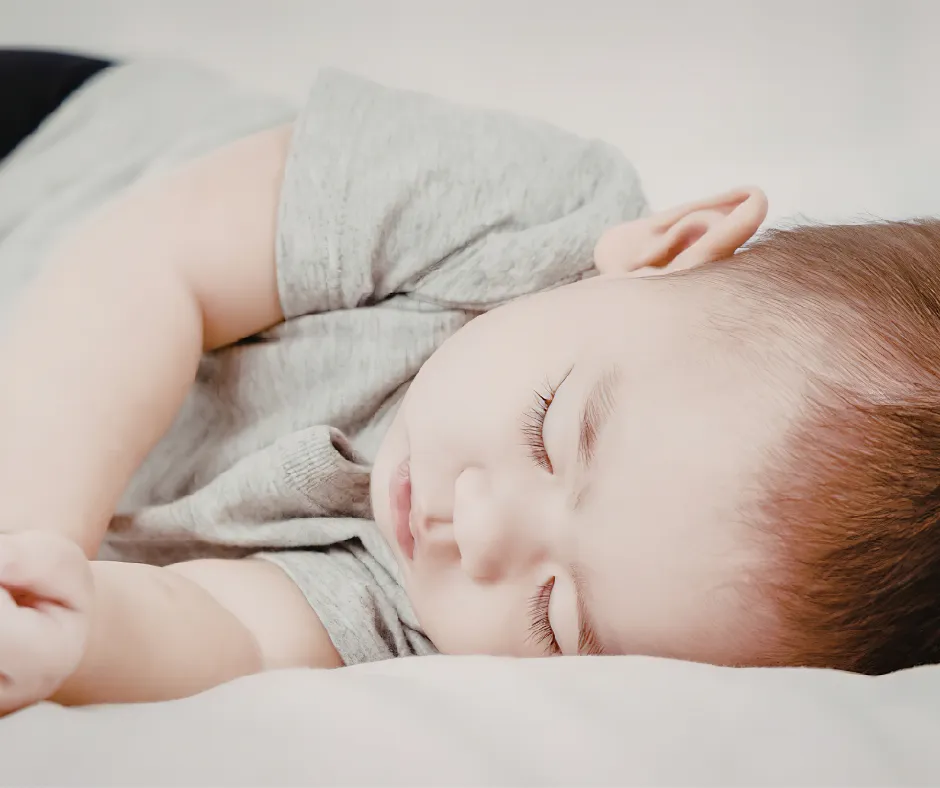
How your little one is dressed for bed plays a far bigger role in their rest than many families realise. If you are constantly wondering what should a baby sleep in to ensure they stay asleep, you are definitely not alone. Clothing that is too warm, too cool, or mismatched to the surrounding room temperature can quietly contribute to disrupted naps, frequent night waking, and frustrating early morning rising. When you understand what should baby sleep in throughout the year, you can remove the midnight guesswork and help everyone get more predictable rest.
When clothing and environment work together, sleep is far more likely to stay settled once it begins.
Sleep safety always comes first
Before looking at comfort, layers, or changing seasons, your choice of sleepwear must support basic safety principles. When deciding what should my baby wear to sleep, the core foundations of safe infant sleep are your absolute non-negotiables. Your baby should always sleep on a firm, flat surface, be placed flat on their back, and have a completely clear cot space with no loose items, blankets, or bumpers.
Whenever you are setting up your nursery or deciding on sleep safety layers, always reference the official guidelines from Red Nose Australia, the Lullaby Trust (UK), and the AAP (American Academy of Pediatrics). Once safety is securely in place, clothing can be adjusted to support optimal sleep quality.
Why choosing what should babies wear to sleep impacts their rest
Babies wake up frequently when they are physically uncomfortable. Temperature discomfort is often misinterpreted as a routine or awake window issue when inappropriate clothing layers are actually the primary driver. Being too warm or too cold can prevent your child from linking sleep cycles, trigger frequent night waking, cause unsettled early morning wakes, or make daytime naps much shorter.
This is why knowing what babies should wear to sleep is an essential part of creating a sleep conducive environment. Modern sleepwear is designed with specific Thermal Overall Grade (TOG) ratings, clear room temperature ranges, and exact clothing recommendations underneath. Rather than estimating layers or relying on old-school rules, it is safer and more accurate to check the ambient room temperature with a digital thermometer and dress your baby exactly as outlined by the sleep sack manufacturer. Adding extra layers beyond these guidelines can increase the risk of overheating.
Signs your baby is too warm or too cool
Checking your baby’s chest or the back of their neck with your hand, rather than checking their hands or feet, will help you accurately gauge their core comfort.
Signs your baby may be too warm include:
Sweating or damp hair
Flushed or hot skin
Feeling uncomfortably hot on the chest
Signs they may be too cool include:
A cool chest or back
Restlessness and frequent stirring between sleep cycles
Extreme difficulty settling despite showing clear tiredness cues
Understanding what should a baby sleep in for optimal comfort
Summer sleepwear
During the warmer months, choose lighter TOG sleepwear specifically designed for high temperatures. Use breathable, natural fabrics like organic cotton or bamboo, and avoid adding any extra clothing layers that are not recommended by the manufacturer. Overheating in summer commonly contributes to frequent night waking, so keeping the room well-ventilated is key.
Winter sleepwear
When the weather drops, use a higher TOG sleep sack or sleep suit suitable for cooler rooms. It is always safer to dress your baby according to the manufacturer's clothing guide rather than adding loose blankets to the cot. Cold discomfort frequently contributes to early morning waking, especially in the second half of the night when the body's core temperature naturally drops.
Spring and autumn transitions
The transitional seasons often cause the most confusion for tired parents trying to figure out what baby should wear to bed. If you are second-guessing what should baby wear to bed, monitor the room temperature closely overnight as it can drop significantly between bedtime and 4:00am. Adjust the TOG rating of the sleep sack rather than layering unpredictably with multiple singlets or suits.
Tailoring sleepwear by age and development
What should newborn wear to sleep
Newborn babies have a very limited biological ability to regulate their own body temperature. They benefit immensely from consistent room temperatures and appropriately rated swaddles or sleepwear. When considering what should newborn wear to sleep, swaddling can provide great comfort, but you must transition away from swaddling at the very first signs of your baby attempting to roll.
Older babies and toddlers
As babies become more mobile and alert, overheating becomes even more disruptive to their rest. Older infants need physical comfort and complete freedom of movement, meaning their sleepwear should allow them to roll and sit safely without restriction. Incorrect clothing at this stage can easily contribute to catnapping. By the time they become toddlers, they are highly sensitive to minor physical discomfort, and clothing that is too restrictive or inconsistent night to night can trigger bedtime resistance and early starts.
Looking ahead
Finding the right balance with layers and temperatures takes a little bit of observation, but getting it right helps the whole family get back to sleep. When sleepwear is matched correctly to temperature, age, and environment, sleep patterns often become much more settled without needing to make major changes to your day.
If your baby is between five and twenty-four months and sleep still feels inconsistent despite tweaking their layers, the Infant Sleep Course offers age-specific, practical guidance to help you navigate routines, regressions, and overnight waking with confidence.
Need help with your baby's sleep environment?
If your baby’s sleep has suddenly changed and you’re not sure what to tweak with their layers or schedule, a 30-minute sleep chat is the perfect next step.
We’ll look at what’s happening for your baby right now, including their sleep environment, clothing, naps, night wakes, routine and settling, then give you clear, practical guidance so you know what to do next.
This is ideal if you want personalised support to navigate seasonal clothing changes or routine shifts without committing to a full sleep package. Virtual consultations are available across Australia and worldwide, with hands-on support options for families based in Melbourne, Australia.

Eva Beke
Certified Paediatric Sleep Consultant
Founder The Sleepy Little Bubs
I’m Eva Beke, a certified baby and toddler sleep consultant and founder of The Sleepy Little Bubs, supporting families across Australia and the world with evidence based baby and toddler sleep support.
My approach is realistic, supportive, and designed to evolve as your child grows, so you’re not just getting help for today, but confidence moving forward.
The Smarter Way to Invest in Better Sleep
Supporting sleep doesn’t have to mean starting over every time something changes.
Our sleep courses are built to support you long term, with age specific guidance that adapts as your child grows. From early routines and regressions to nap transitions and toddler sleep challenges, you’ll have a clear plan and ongoing support so you can respond with confidence at every stage.

Infant
5-24 Months
Toddler
2-4 Years
PRODUCTS
INFORMATION
SUPPORT
LEGAL




© Copyright The Sleepy Little Bubs All Rights Reserved.