Baby Sleep Consultant
If sleep has become the hardest part of your day, you're in the right place.
Maybe your baby is waking every hour or two overnight, naps are 30 minutes no matter what you try, you're replacing the dummy all night, feeding back to sleep at every wake, or starting the day at 5.00am.
I'm Eva, a certified infant and toddler sleep consultant based in Melbourne, and founder of Sleepy Little Bubs. I know how overwhelming sleep can become when you're exhausted and everything you read tells you something different.
As a baby sleep consultant in Melbourne, I've supported hundreds of families through frequent night waking, short naps, early mornings, bedtime battles and everything in between.
There isn't one right way to approach sleep. We look at your child's individual sleep needs, routine, development, environment and settling, and work with you to find an approach that suits your baby and your family.
Baby Sleep Consultant
If sleep has become the hardest part of your day, you're in the right place.
Maybe your baby is waking every hour or two overnight, naps are 30 minutes no matter what you try, you're replacing the dummy all night, feeding back to sleep at every wake, or starting the day at 5.00am.
I'm Eva, a certified infant and toddler sleep consultant based in Melbourne, and founder of Sleepy Little Bubs. I know how overwhelming sleep can become when you're exhausted and everything you read tells you something different.
As a baby sleep consultant in Melbourne, I've supported hundreds of families through frequent night waking, short naps, early mornings, bedtime battles and everything in between.
There isn't one right way to approach sleep. We look at your child's individual sleep needs, routine, development, environment and settling, and work with you to find an approach that suits your baby and your family.
BABY & TODDLER SLEEP CONSULTANTS
Baby and toddler sleep support, wherever you are in the world
Personalised sleep support from our team of certified baby and toddler sleep consultants, supporting families across Australia, the UK, Europe, the USA and Canada.
From frequent night waking and early mornings to short naps and bedtime battles, we’ll help you understand why your child is struggling with sleep and what needs to change - with an approach tailored to your baby, your family and your goals.
BABY & TODDLER SLEEP CONSULTANTS
Baby and toddler sleep support, wherever you are in the world
Personalised sleep support from our team of certified baby and toddler sleep consultants, supporting families across Australia, the UK, Europe, the USA and Canada.
From frequent night waking and early mornings to short naps and bedtime battles, we’ll help you understand why your child is struggling with sleep and what needs to change - with an approach tailored to your baby, your family and your goals.
⭐ 200+ five star reviews
🎓 Certified and insured
👶 Thousands of families helped
We know how you are feeling right now
You have read every blog post. You have tried the tips from Instagram. You have searched “why won’t my baby sleep?” at 3.00am more times than you can count.
You are not doing anything wrong. Some babies simply need a little extra help finding a rhythm that works for them and their family. That is exactly what we are here for.
Find what is right for you
Not sure where to start? Start here.
Every family is different. Choose the option that fits where you are at right now,
whether that is budget, urgency, or how much support you need.
|
I need to talk to someone now
Book a 30 minute consultation with Eva or one of our sleep consultants. Talk us through what is happening, get clear next steps and leave with a personalised plan you can start that night.
Best for: Personalised advice, quick answers and clear next steps
$149 AUD
|
I want proper ongoing support
Our Two Week Sleep Support pairs you with a consultant for 10 days of ongoing weekday support, with weekend contact available for urgent concerns. You will receive daily check ins, personalised plan adjustments and real time troubleshooting as you put the plan into practice.
Best for: Families wanting ongoing guidance and support while making changes
$ 595 AUD
|
I want to work through it at my own pace
Our online sleep courses cover everything from newborn sleep through to toddler sleep, with step by step guidance, downloadable resources and lifetime access so you can revisit the information whenever you need it.
Best for: Self paced learning you can revisit anytime
$ 199 AUD
|
I am in Melbourne and want hands on help
I provide in home sleep support across Melbourne and surrounding areas. I come to you, observe your routine and help you make practical changes in real time, within your own home.
Best for: Personalised support in your own home
$ 699 AUD
|
I want affordable ongoing access
The Sleepy Little Bubs Membership gives you ongoing access to consultant support, weekly live calls, age specific resources and a community of parents all working towards better sleep.
Best for: Ongoing support at a low monthly cost
$ 39 AUD
Real families. Real rest.
Here is what changed for them
Before
"Up every 45 minutes. I had not slept more than two hours straight in months. I was crying every day and my partner and I were fighting constantly."
____
After
"Within five days, she was sleeping through. I feel like a completely different person. I actually enjoy bedtime now instead of dreading it."
Ashleigh, mum of 7 month old
Melbourne · Two Week Sleep Support
★★★★★
Before
"I was so overwhelmed by all the conflicting advice online. Every time I thought I was doing the right thing, someone would tell me the opposite."
____
After
"Eva cut through all the noise and gave me a clear plan that actually made sense for my baby. The 30 minute consult was all I needed to feel confident again."
Farah, mum of 4 month old
Sydney (virtual) · 30 Minute Consultation
★★★★★
Before
"With twins, I thought good sleep was impossible. I was running on caffeine and survival mode for eight months straight."
____
After
"Eva came to our home and helped us set up a routine that worked for both babies. It felt like someone finally understood what we were dealing with."
Johanna, mum of twins
Melbourne · In Home Sleep Support
★★★★★
How it works
Three steps to better sleep
No complicated process. No waiting weeks for answers. Here is how it works from the moment you reach out.
1
Tell us what is going on
Book a consultation or choose the service that fits your situation. Before your session, you will fill in a short questionnaire so your consultant understands your baby's sleep, feeding, and routine before you even start.
2
Get your personalised plan
Your consultant builds a sleep plan tailored to your baby's age, temperament, and your family's goals. No generic templates. You will know exactly what to do, when to do it, and why it works.
3
Start making change
Put the plan into action with your consultant's guidance. Whether it is a single consult or two weeks of daily support, you will have someone in your corner making sure it works.
Common questions
We know you are wondering...
These are the questions almost every parent asks before reaching out. We would rather answer
them upfront so you can feel confident about your decision.
Will this actually work for my baby?
Every baby is different, and that is exactly why we do not use a one size fits all approach. Eva and her team create a personalised plan based on your baby's age, temperament, feeding needs, and your family's goals. We have supported thousands of families across Australia and internationally, and our approach adapts to your baby specifically.
What sleep method do you use? Will my baby have to cry it out?
We use a range of evidence informed approaches. Eva will never ask you to do anything you are not comfortable with. Your plan is built around your parenting style and your baby's needs. Some families prefer gradual methods, others are comfortable with more direct approaches. You are always in control.
My baby is only a few weeks old. Is it too early to get help?
Not at all. For newborns, support looks a bit different. It is less about sleep training and more about setting up healthy foundations, understanding your baby's cues, and making sure you feel confident and supported during those early weeks. Our newborn course and consultations are designed exactly for this stage.
How quickly will I see results?
Most families notice meaningful improvements within the first three to five days. Some see changes on night one. It depends on your baby's age, what you are working on, and which service you choose. With the Two Week Support consultation, you have a consultant checking in daily to adjust things as you go.
I can not afford the full program right now. Is there something for me?
Absolutely. That is why we offer a range of options at different price points. Our sleep guides provide detailed, practical support without the cost of a consultation, our online courses are a one time purchase you can work through at your own pace, and the membership gives you ongoing access to resources and weekly support calls at an affordable monthly price. There is an option to suit different budgets and levels of support.
Can you help if I am not in Melbourne?
Yes. The only service that requires being in Melbourne is our in home support. Everything else, including consultations, the Two Week Consultation, courses, guides, and membership, is available to families anywhere in Australia and internationally. We work with parents across the globe.
Meet your consultant
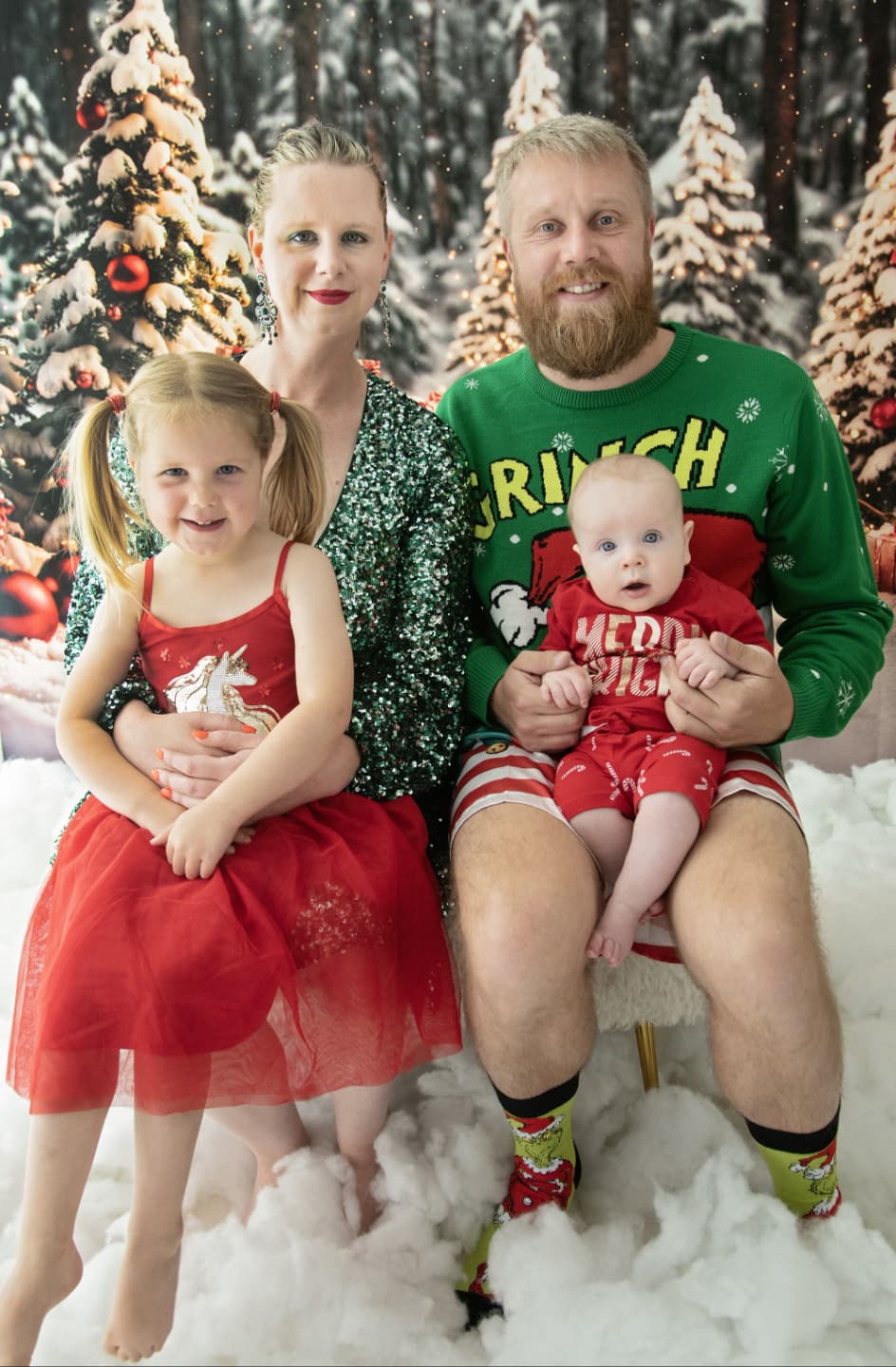
Hi! I'm Eva,
I am a mum of two and a certified paediatric sleep consultant based in Melbourne. I started Sleepy Little Bubs after navigating my own baby's sleep challenges and realising how isolating and confusing it can be when nothing seems to work. I have since helped thousands of families across Australia and around the world find the sleep support they actually need. Not a textbook answer, but a real plan that fits their baby, their values, and their life.
I believe every baby is different and every parent deserves support that reflects that. Whether you need a quick chat, a full two week program, or just somewhere to start, I am here for it.
Listen and learn
Beyond The Cot with Eva Beke
Real conversations about parenthood, sleep, and everything in between.
From sleep regressions to mum guilt to IVF journeys, nothing is off the table.
Available on Spotify and Apple Podcasts.
Not ready to book yet?
Start with a free sleep guide
Download our free guide and get practical tips you can try tonight.
No commitment, no pressure. Just helpful information from a certified sleep consultant
delivered straight to your inbox.

Download Your Free Sleep Training Guide
Ready to start sleeping again?
Whether it is a quick call, a course you can do in your own time, or full hands
on support, we will help you find what works. No judgement. No pressure.
Just a plan that fits your family.
PRODUCTS
INFORMATION
SUPPORT
LEGAL


© Copyright The Sleepy Little Bubs All Rights Reserved.