Baby & Toddler Sleep Consultant
Evidence-informed baby and toddler sleep consultations for families from newborn to 5 years.
Work one-on-one with a certified sleep consultant to get personalised support for routines, naps, bedtime, overnight wakes, early mornings and settling.
You are not alone.
If your baby or toddler’s sleep feels unpredictable, chaotic, or nothing you try seems to work, it usually means you need a clear plan - not more late-night Googling.
As baby and toddler sleep consultants, we look at your child’s development, routine, sleep pressure, sleep environment, feeding and settling approach to understand what is going on and what needs adjusting.
Not sure what your child needs? A personalised baby or toddler sleep consultation can help you understand the next step and feel more confident moving forward.



Baby & Toddler Sleep Support That Gets Results
Whether you need a quick sleep consultation or more structured ongoing support, we offer clear, evidence-informed options to help you understand your child’s sleep and feel confident with the next step.
1:1 Sleep Consultations
Personalised support from an infant and toddler sleep consultant, with a clear plan for your child’s sleep, including routines, naps, settling, night waking and next step guidance.
Sleep Courses
Self-paced, age-specific sleep education designed to support naps, nights, regressions and transitions from infancy through toddlerhood.
Sleep Guides
Age-specific sleep guides with practical routines, awake windows, nap guidance, settling options and troubleshooting support for common sleep challenges, including night waking, catnapping, early rising and regressions.
No matter where you’re at, you’ll always know exactly what to do next.


✳
INTRODUCING
The Sleepy Little Bubs Membership
Ongoing Baby & Toddler Sleep Support
Need ongoing baby and toddler sleep support?
The Sleepy Little Bubs Membership gives you ongoing access to practical sleep guidance, resources and support, so you can get help with naps, bedtime, night waking, regressions and routine changes as your baby grows.
What age is the Sleepy Little Bubs Membership suitable for?
The Sleepy Little Bubs Membership is designed for babies from around newborn months through toddlerhood. It supports families through nap transitions, regressions, night waking, early mornings, bedtime challenges and routine changes as their child grows.
What issues does the membership cover?
The membership covers common baby and toddler sleep challenges, including short naps, catnapping, frequent night waking, early morning rising, bedtime battles, separation anxiety, regressions, nap transitions and changing sleep needs.
Is this membership suitable if I need a baby sleep consultant?
Yes. The Sleepy Little Bubs Membership is an online sleep support platform available to families worldwide. All sessions and resources are delivered virtually, so you can access expert guidance from anywhere.
How is the membership different to a sleep consultant?
A sleep consultation gives you personalised one-on-one support for your child’s sleep. The membership is better if you want ongoing baby and toddler sleep support, regular guidance, resources and help as your child’s sleep changes over time.
Is the Sleepy Little Bubs Membership available worldwide?
Yes. Our sleep support is available online, so you can access guidance from a baby and toddler sleep consultant whether you are in Melbourne, elsewhere in Australia, or overseas.
What is I need more personalised sleep support?
If you need a clear plan for your baby or toddler’s sleep, a sleep consultation or support package may be a better fit. We offer personalised support through virtual consultations worldwide, as well as in-home sleep consultant support for families in selected areas. The membership is ideal for ongoing guidance, while consultations provide tailored recommendations and one-on-one support from a baby sleep consultant.
CLIENT STORIES
Real Families. Real Rest.
"Eva is fantastic and helped my family get better sleep."
"I loved the practical advice and lack of judgement - being a mum of a baby who doesn’t sleep is hard and Eva really just gets it and supports you."
- Ashleigh T.


"Eva helped our little one sleep independently and we will forever be grateful for it!"
"After tweaking his environment and wake windows, with sleep training, we already saw improvements within 3 days. Thank you 🙏🏼"
- Farah F.
"Eva showed such kindness and professionalism in our support call."
"I’m so grateful that she made the effort to squeeze me in on short notice, to help a mama in dire need. She’s a gem!
- Johanna S.
Our Infant & Toddler Sleep Consultant Approach
PRACTICAL. HOLISTIC. EVIDENCE-INFORMED.
As infant and toddler sleep consultants, we do not believe in one-size-fits-all sleep support. Every baby and child is different, which is why our sleep consultations look at the whole picture - development, routine, sleep pressure, sleep environment, temperament, feeding patterns and emotional needs.
Whether you are looking for a baby sleep consultant or child sleep consultant our approach is practical, holistic and evidence-informed.
We help you understand what is happening with your child’s sleep and what needs adjusting, so you can make confident changes that support your little one to fall asleep independently.
Baby and toddler sleep is shaped by sleep pressure, biological rhythms, development, environment and consistency - not guesswork.
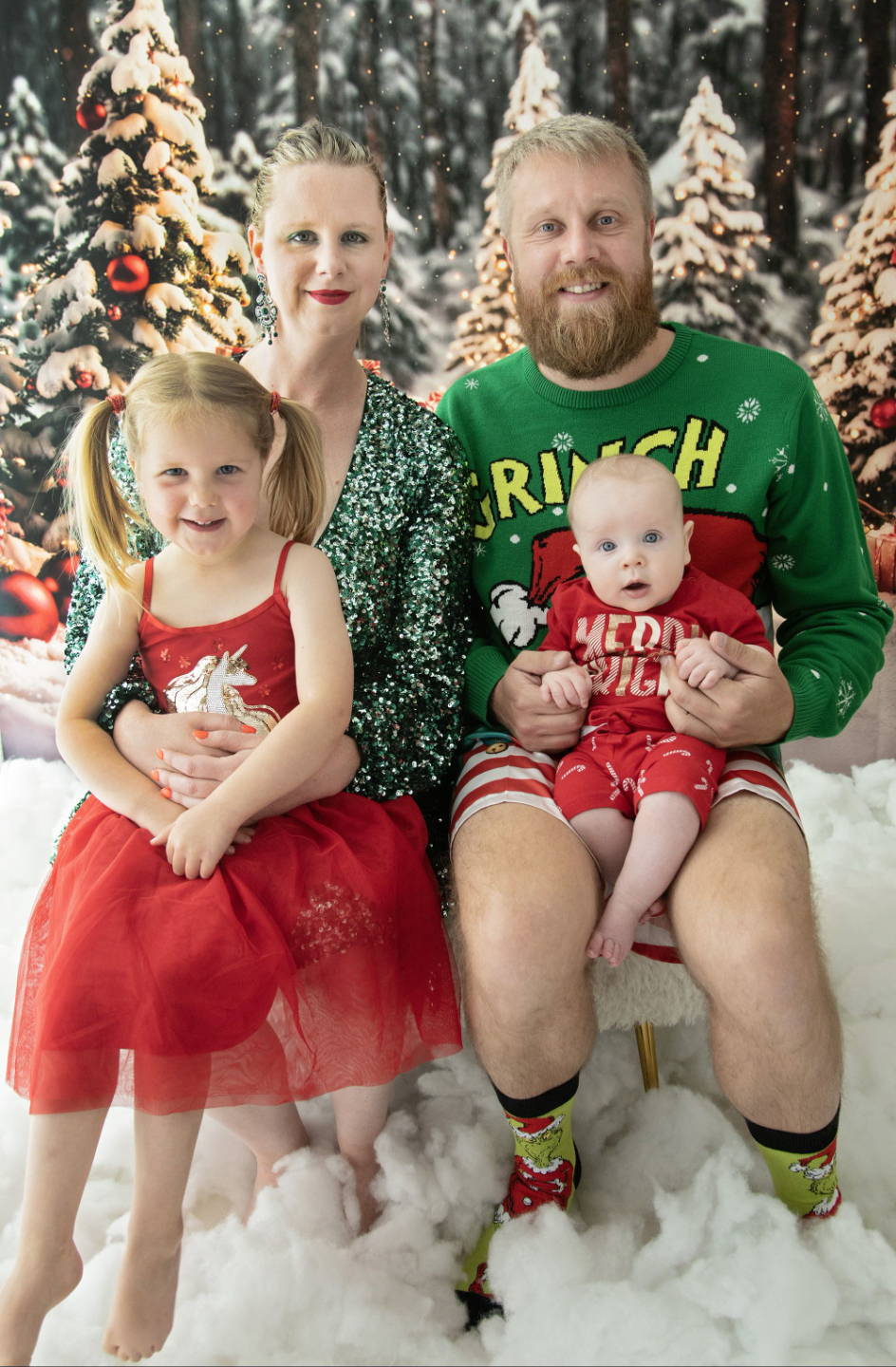
Meet Eva, Founder of The Sleepy Little Bubs
Hi, I’m Eva - a certified baby sleep consultant based in Melbourne, supporting families across Australia and worldwide, including Sydney, Brisbane, Perth and beyond.
Like so many parents, I know what it feels like to be exhausted, overwhelmed and second-guessing everything around your baby or toddler’s sleep. That experience is what led me to create The Sleepy Little Bubs - a place for practical, personalised and judgement-free sleep support.
Over the years, I’ve supported thousands of families through night waking, catnapping, early mornings, regressions, nap transitions and toddler sleep challenges using evidence-informed guidance tailored to each child.
Whether you are looking for an infant sleep consultant, an in-home sleep consultant, or personalised sleep support, my role is to help you understand what is happening with your child’s sleep and give you a clear, age-appropriate plan forward.
Honest Baby & Toddler Sleep Support, Straight to Your Inbox
Discover realistic, age-appropriate sleep tips from a certified baby sleep consultant, including support for naps, bedtime, night waking, early mornings, catnapping, regressions and toddler sleep challenges.
Join thousands of parents receiving practical, evidence-informed baby and toddler sleep advice - without the overwhelm.
No spam. Just practical, honest sleep support — delivered when you need it.
PRODUCTS
INFORMATION
SUPPORT
LEGAL


© Copyright The Sleepy Little Bubs All Rights Reserved.