
Teething and sleep regression: How to support your baby through the disruption
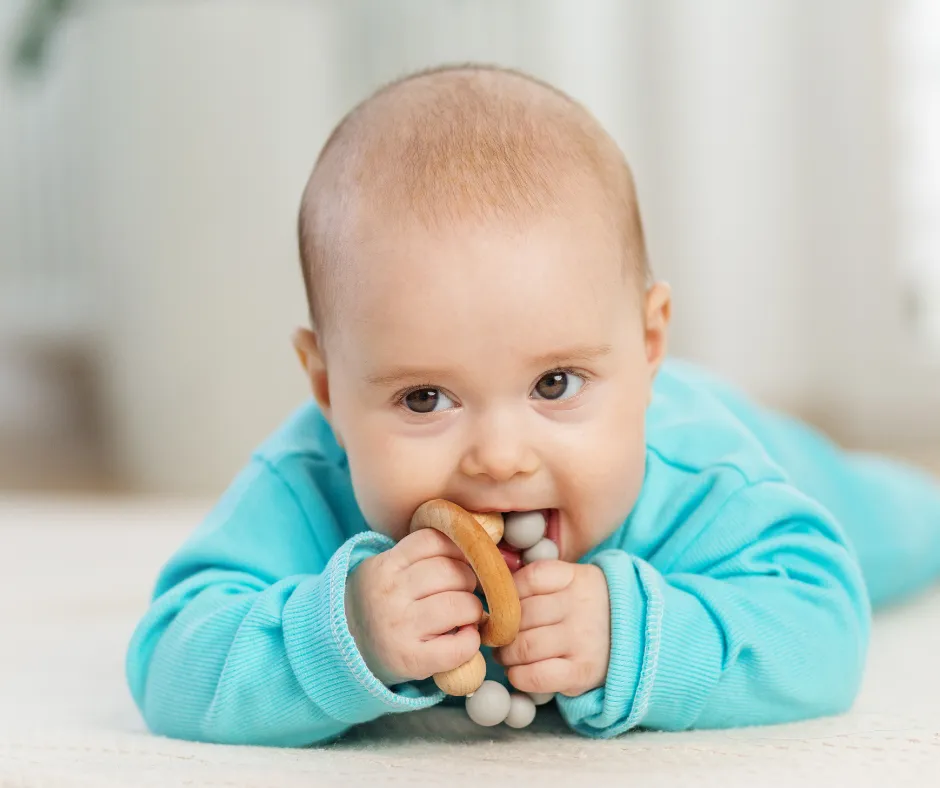


If your little one is suddenly waking up frequently overnight, fighting their daytime naps, or resisting bedtime, it is incredibly common to wonder: is my baby teething, or are we facing a sudden sleep regression? Teething can absolutely disrupt your night, but it is rarely the sole culprit for weeks of broken rest. More often than not, physical discomfort overlaps with natural developmental changes, shifting routine needs, and evolving sleep pressure.
Understanding what is actually driving the wakefulness helps you support your teething baby calmly, without accidentally creating long-term habits that disrupt your family's sleep patterns.
When does teething in babies usually start?
The timeline for teething in babies varies beautifully from child to child. While some infants cut their very first tooth between 4 and 7 months, others remain completely toothless until closer to their first birthday. Toddlers also experience intense teething phases later on as large molars and canines cut through the gums.
Because this timeline is so unpredictable, teething frequently collides with major developmental milestones. It often hits right alongside the notorious 4-month sleep regression, the 8–10 month progression, or the 12-month shift. When your baby is fussy, it can be tough to distinguish physical discomfort from a cognitive leap, which is why looking closely at specific physical indicators is so helpful.
Is my baby teething? Classic teething signs and symptoms
While some lucky babies cut teeth with zero complaints, most will display a few classic teething signs. Recognizing these physical markers allows you to treat the discomfort directly rather than guessing.
Common teething symptoms to look out for include:
Significantly increased drooling and a mild drool rash on the chin
Constant chewing on hands, fingers, or hard toys
Visibly red, swollen, or slightly bruised gums
Increased fussiness and irritability, particularly in the late afternoon and evening
Pulling at the ears or rubbing their cheeks (though keep in mind, this can also simply signal tiredness)
A slightly elevated body temperature can sometimes happen as a tooth breaks the surface, but a true high fever or severe sickness is not caused by teething. If your child seems genuinely unwell, lethargic, or has a high fever, it is always best to prioritize medical guidance and look into illness-related sleep support rather than chalking it up to teeth.
Teething sleep regression vs developmental leap: How to tell the difference
t is incredibly easy to confuse a physical growth phase with a structural teething and sleep regression. However, the two look quite different when you observe your baby's daytime behavior.
An isolated teething flare tends to look like acute physical discomfort focused around sleep and feeding times. Your baby might experience a few highly unsettled nights, but their mood is generally stable during the day once appropriate comfort or pain relief strategies are in place.
A true sleep regression, on the other hand, is driven by cognitive development and separation anxiety. This looks less like physical pain and more like:
Sudden, intense protest the moment you leave the nursery
False starts (waking up exactly 45 minutes after going to sleep)
Standing or crawling in the cot instead of lying down to rest
High alertness and a total refusal to miss out on any action during the day
How teething disrupts your baby's sleep cycles
When a tooth is actively moving through the bone and gum tissue, it impacts your baby's ability to settle and stay asleep in a few predictable ways.
Increased pressure when lying flat
Blood flow to the head increases when a baby lies down, which can cause the pressure in their gums to feel significantly more intense. This often explains why a baby seems perfectly happy playing during the day but becomes highly distressed the moment they are placed flat in their cot.
Fragmented sleep and frequent night wakes
Physical discomfort makes it much harder for your baby to navigate the lighter stages of their sleep cycles smoothly. Instead of rolling over and transitioning into the next cycle, the throbbing sensation can jar them completely awake, making resettling a challenge.
Chronic catnapping
Because daytime sleep lacks the strong hormonal support of overnight melatonin, naps rely heavily on pure sleep pressure. If your baby is uncomfortable, they are highly likely to wake up after exactly one sleep cycle, leading to short, broken catnaps that leave them overtired by bedtime.
Practical strategies to help your baby sleep through teething
You do not need to let your regular sleep foundations slide completely when a tooth is on the way. You can support your child through the discomfort while keeping their boundaries predictable.
1. Maintain consistent bedtime cues
When sleep feels messy, keeping your evening routine identical night after night provides your baby with an immense sense of safety. A familiar wind-down process helps soothe a frazzled nervous system, making it easier for them to let go of the day despite the discomfort.
2. Offer extra comfort without changing every rule
It is completely okay to offer more hands-on support, extra cuddles, or additional resettling when your baby is in pain. The trick is to stay steady with your approach rather than switching tactics every twenty minutes, which can confuse an already dysregulated baby.
3. Protect daytime sleep and watch bedtime timing
If teething has caused a string of short catnaps, your little one will accumulate a lot of overtiredness quickly. On intense teething days, do not be afraid to bring bedtime forward by 30 to 45 minutes to prevent an overtired meltdown in the evening.
4. Address pain appropriately
If physical discomfort is clearly preventing your baby from resting, speak with your GP or local pharmacist about appropriate, age-specific pain relief options. Allowing your baby to get the rest they need is essential for their immune system and recovery.
Looking ahead
Teething is a completely normal part of early childhood that typically moves in short, sharp waves lasting a few days at a time. If your baby's sleep remains completely broken for more than a week with no tooth in sight, it is highly likely that their daytime awake windows or routine need a slight adjustment to match their changing sleep needs.
If your baby is between five and twenty-four months and you are tired of guessing whether you are dealing with a tooth, a leap, or an overtired cycle, the Infant Sleep Course gives you the exact tools you need to build a resilient, predictable routine that survives any disruption.
Need help with your baby's sleep schedule?
If your baby’s sleep has suddenly changed and you’re not sure whether to blame teething, a regression, or their routine, a 30-minute sleep chat is the perfect next step.
We’ll look at what’s happening for your baby right now, including their current symptoms, naps, night wakes, routine and settling, then give you clear, practical guidance so you can make adjustments with confidence.
This is ideal if you want personalised support to get back on track without committing to a full sleep package. Virtual consultations are available across Australia and worldwide, with hands-on support options for families based in Melbourne.

Eva Beke
Certified Paediatric Sleep Consultant
Founder The Sleepy Little Bubs
I’m Eva Beke, a certified baby and toddler sleep consultant and founder of The Sleepy Little Bubs, supporting families across Australia and the world with evidence based baby and toddler sleep support.
My approach is realistic, supportive, and designed to evolve as your child grows, so you’re not just getting help for today, but confidence moving forward.
The Smarter Way to Invest in Better Sleep
Supporting sleep doesn’t have to mean starting over every time something changes.
Our sleep courses are built to support you long term, with age specific guidance that adapts as your child grows. From early routines and regressions to nap transitions and toddler sleep challenges, you’ll have a clear plan and ongoing support so you can respond with confidence at every stage.

Infant
5-24 Months
Toddler
2-4 Years
PRODUCTS
INFORMATION
SUPPORT
LEGAL




© Copyright The Sleepy Little Bubs All Rights Reserved.