
Newborn Sleep
Newborn sleep can feel confusing, unpredictable and exhausting. This section walks you through what's normal in the early weeks, why your baby wakes so often, how day and night sleep develops, and how to support more settled sleep as your baby matures.

What to Expect With Newborn Sleep
In the early weeks, you will learn what newborn sleep really looks like, why waking and unsettled evenings are normal, and how to support rest safely and confidently as patterns start to emerge.

When Should You Stop Swaddling Your Baby
Learn the first signs your baby is becoming too mobile for swaddling, and how to move to arms free sleep safely and smoothly.

Safe Sleep Guidelines, What You Need to Know
Getting the sleep setup right matters, and you will learn the practical, evidence-based steps that keep your baby’s sleep environment safe through infancy.

The Witching Hour
Evenings can feel intense in the early weeks, and you will learn what drives the witching hour, what it typically looks like, and how to cope in ways that support your newborn through it.

Newborn Sleep Red Flags
Know the signs that sit outside normal newborn sleep, and when it is worth getting extra support for feeding, crying, breathing, or overall wellbeing.

Catnapping: Why Short Naps Happen and When They Improve
If your baby only naps for one sleep cycle, you’re not doing anything wrong. Learn why catnapping happens and when naps typically start to lengthen.

Understanding Newborn Sleep Cycles
Behind the constant stirring and frequent wakes is a normal biological sleep pattern that changes in a big way around four months.

Newborns and Pacifiers
Whether you are team dummy or unsure, this will help you understand how pacifiers interact with newborn sleep cycles and why they are not automatically “bad habits.”

Creating a Newborn Night Routine That Supports Sleep
Learn what a newborn night routine actually is, why it helps even when night waking is normal, and the simple steps that create calm, predictable evenings without forcing a schedule.

Creating a Safe Sleep Environment
A safer sleep setup starts with the basics, a firm, flat surface, a clear cot, and evidence based practices that reduce risk from newborn through toddlerhood.

Creating a Sleep Conducive Environment
Light creeping in, unpredictable noise, or a visually busy room can be the hidden reason sleep keeps falling apart, and you will learn what to tweak first.

Dressing Your Baby for Sleep (By Season and Age)
Dress with confidence by matching sleepwear to room temperature and your baby’s stage, so discomfort is not the hidden cause of night waking or early starts.

Sleep Sacks: What to Use and When
Take the guesswork out of sleep sacks by learning what to use at each stage, when to change products, and how TOG and fit affect both comfort and safety.

Moving From Bassinet to Cot
Know when the cot becomes the safer, roomier choice, and how to transition in a way that keeps your baby settled and your routine consistent.

Transitioning Out of the Swaddle
Learn when swaddling becomes unsafe and the simplest ways to move to arms out sleep without turning bedtime and naps into a battle.

Day-Night Confusion In Newborns
A clear, reassuring guide to day–night confusion in newborns, explaining why it happens, what is developmentally normal, and the gentle, practical ways parents can support more settled nights without pushing sleep too soon.

Harvey Karp’s 5 S’s: Do They Actually
Help Your Baby Sleep?
A practical, evidence based look at Harvey Karp’s 5 S’s, what they actually are, why they can help calm newborns, and where they fit, and don’t fit, in the bigger picture of baby sleep

Growth Spurts and Baby Sleep: Why Sleep
Suddenly Falls Apart
A reassuring, practical guide to how growth spurts can temporarily disrupt your baby’s sleep, feeding and settling, how to tell the difference between a growth spurt and a regression, and what actually helps when sleep suddenly falls apart.
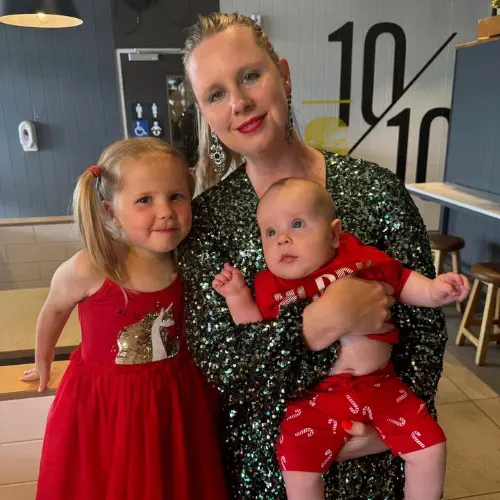
Eva Beke
Certified Paediatric Sleep Consultant
Founder The Sleepy Little Bubs
I’m Eva Beke, a certified baby and toddler sleep consultant and founder of The Sleepy Little Bubs, supporting families across Australia and the world with evidence based baby and toddler sleep support.
My approach is realistic, supportive, and designed to evolve as your child grows, so you’re not just getting help for today, but confidence moving forward.
The Smarter Way to Invest in Better Sleep
Supporting sleep doesn’t have to mean starting over every time something changes.
Our sleep courses are built to support you long term, with age specific guidance that adapts as your child grows. From early routines and regressions to nap transitions and toddler sleep challenges, you’ll have a clear plan and ongoing support so you can respond with confidence at every stage.

Infant
5-24 Months

Toddler
2-4 Years
PRODUCTS
INFORMATION
SUPPORT
LEGAL


© Copyright The Sleepy Little Bubs All Rights Reserved.