
Hunger or Habit Wakes: Why Your Baby
Is Waking Overnight



If your baby is still waking overnight, one of the biggest questions parents ask is this:
Is my baby actually hungry, or is this just habit?
And honestly, it can be hard to know.
Because yes, some babies really do wake because they need a feed. But other times, the waking has less to do with hunger and more to do with a pattern, low sleep pressure, timing issues, or needing the same support they had at the start of the night.
Understanding the difference between hunger wakes vs habit wakes can make a huge difference when it comes to improving overnight sleep.
What is a hunger wake?
A hunger wake is when your baby genuinely needs calories overnight.
This is more common in younger babies, babies with higher calorie needs, babies who are not feeding well during the day, or babies who are going through growth and developmental changes.
A true hunger wake often looks like this:
Your baby wakes and feeds well
They take a full feed, not just a quick snack
They settle easily after the feed
They sleep longer stretches (for babies over 4 months this would be at least 3-4hrs before the next wake).
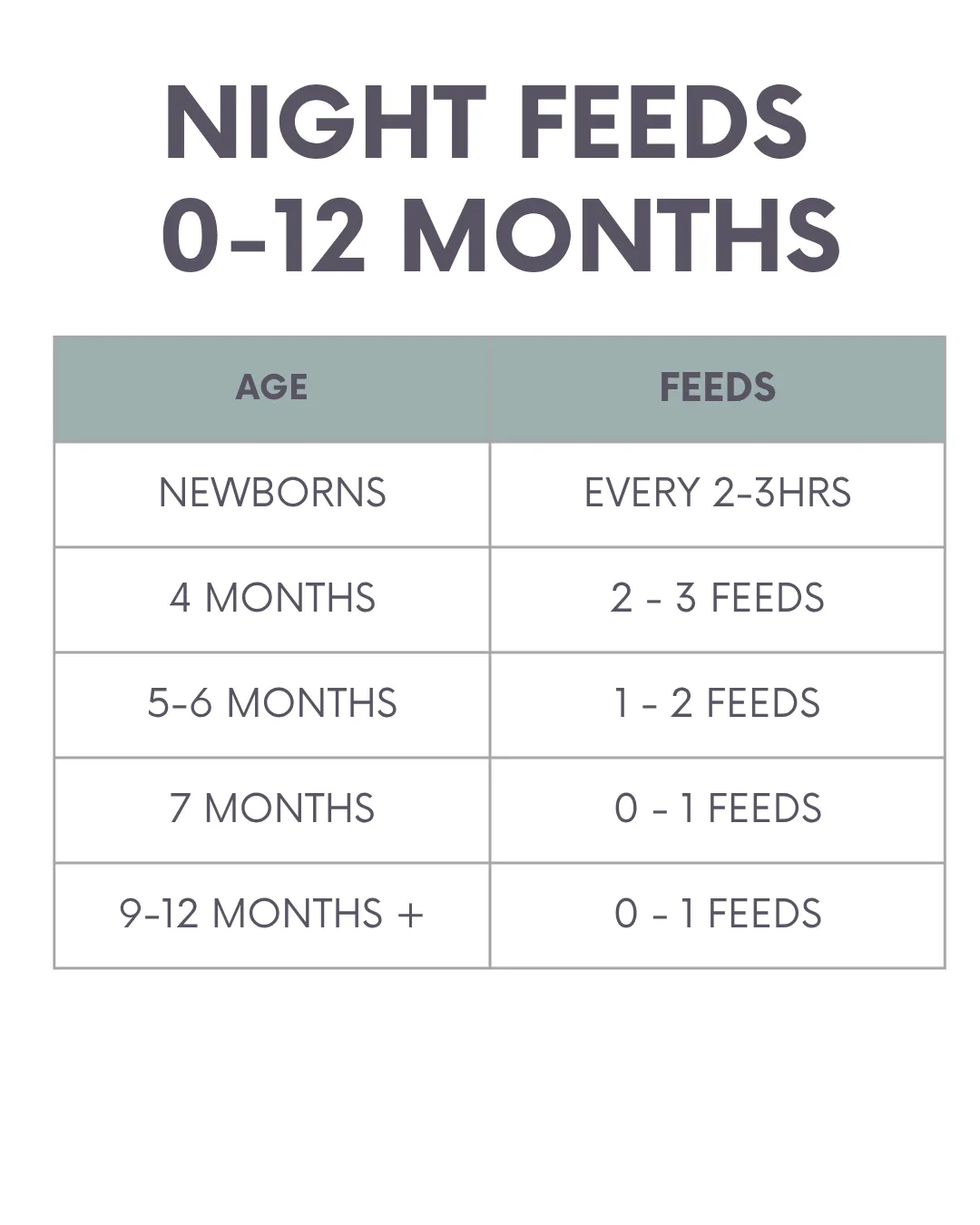
For younger babies especially, overnight feeding is completely normal. Not every wake is a problem, and not every baby is ready to go all night without milk.
What is a habit wake?
A habit wake is when your baby has become used to waking at a certain time and being fed, even if they no longer physiologically need it.
This does not mean the wake is fake.
It just means the body has come to expect that feed because it happens regularly.
Over time, if a baby is always fed back to sleep at certain times overnight, their body can start to anticipate those calories and those sleep associations. So even if they could go longer, they continue waking because that pattern has been reinforced.
A habit wake often looks like this:
Your baby wakes at roughly the same time every night
They only take a small feed (think a couple of minutes on the breast or 30-60ml on the bottle)They settle easily after the feed
They feed briefly and go straight back to sleep
They are feeding well through the day
They are old enough that overnight nutritional needs may be lower
If the feed is reduced, they can often resettle with support
They still wake within 1-2hrs after the feed is offered
Why it matters whether it is hunger or habit
Because the solution is not the same.
If your baby is waking from genuine hunger, reducing feeds too quickly can backfire. You can end up with more unsettled sleep, more crying, early rising, or a baby who is simply underfed overnight.
If your baby is waking from habit, continuing to feed every wake can keep the pattern going even when they no longer need it.
That is why it is important to look at the full picture, not just the wake itself.
Signs your baby may still be genuinely hungry overnight
Here are some things I look at when working out whether a wake is more likely to be hunger related.
Age
A younger baby is much more likely to need overnight feeds than an older baby. Overnight feeding needs change a lot across the first year.
Daytime milk intake
If milk feeds are distracted, short, inconsistent or dropping off during the day, some babies make up for it overnight.
Solids intake
Once solids are established, especially from around 9-10 months and beyond, we want to look at whether your baby is getting enough across the day. Sometimes frequent overnight waking is linked to poor daytime intake.
Growth and development
Growth spurts, developmental leaps and increased mobility can all increase hunger temporarily.
Full feed or snack feed
Is your baby actually taking a good feed, or are they doing a few minutes and drifting back off?
A baby who is truly hungry will usually feed with purpose.
Signs the waking may be more habit than hunger
Some overnight wakes are more likely to be habitual when:
Your baby wakes at exactly the same time every night
They only feed for a few minutes
They fall asleep almost immediately once latched or offered the bottle
They wake multiple times but only take small amounts
They are eating well in the day
They are on an age appropriate routine and likely capable of going longer
This is especially common in older babies who are feeding overnight more out of routine than need.
Sometimes it is both
This is where parents get stuck.
Because sometimes it is not clearly one or the other.
Sometimes a baby starts waking from genuine hunger, and then over time the wake becomes habitual.
Sometimes a baby is underfed through the day and also reliant on feeding to consolidate sleep cycles overnight.
Sometimes routine issues are reducing sleep pressure, which causes more frequent waking, and the feed just becomes the easiest way to get everyone back to sleep.
So if you are trying to work out whether your baby is waking from hunger or habit, you need to zoom out and look at:
Age
Milk feeds
Solids
Sleep pressure
Nap timing
Bedtime
How sleep starts
How often the wakes happen
What the feed actually looks like
Common reasons parents confuse hunger and habit wakes
Your baby always settles with a feed
This does not automatically mean hunger.
Feeding is regulating, comforting and familiar. It often works quickly, which is why it becomes the default response.
Your baby wakes often after midnight
Many parents assume all wakes in the second half of the night must be hunger. Sometimes they are, but the early morning hours are also when sleep is lighter and sleep pressure is lower, so wakes are naturally more common then too.
Your baby is older but still feeding overnight
Older babies can still wake for feeds, especially if daytime intake is low. But once we get into the later part of the first year and beyond, it is worth assessing whether every feed is still needed.
How to work out whether your baby’s wakes are from hunger or habit
Here are the questions I would ask.
1. How old is your baby?
This helps set realistic expectations around overnight feeding.
2. Are they having full milk feeds during the day?
If daytime intake is poor, overnight hunger is much more likely.
3. Are solids established?
If your baby is older and on solids, we want to know how much food is actually being eaten, not just offered. You also want to look at what they are consuming, is the diet balanced and encouraging consolidated sleep or are they still playing around with their fruits and vegetables.
4. Is the overnight feed full or brief?
A proper feed tells us something very different to a two minute comfort feed.
5. Are the wakes happening at the same time every night?
That consistency can point more toward pattern than genuine hunger.
6. Is your baby falling asleep independently at bedtime?
If your baby relies on feeding or lots of support to fall asleep at the start of the night, that can absolutely carry across overnight too. You can also have babies who fall asleep independently at bed time (highest sleep pressure) but who need feeds to get back to sleep.
7. Is the routine working?
Undertired babies and overtired babies can both wake overnight, and those wakes are often mistaken for hunger.
What to do if you think it is hunger
If you think the wakes are hunger related, focus first on increasing daytime intake where appropriate.
This might include:
Improving milk feeds during the day
Reducing distractions during feedssleep pressure
Offering feeds more effectively around naps
Building solids gradually and consistently
Making sure routine timing supports better daytime intake
In some cases, the overnight waking improves once daytime feeding improves.
What to do if you think it is habit
If your baby is more likely waking from habit, you do not need to go from feeding to nothing overnight in one hit.
A much better approach is usually gradual.
For bottle feeds, this may mean reducing the volume slowly over time.
For breastfeeds, this may mean reducing the duration gradually.
At the same time, you want to make sure the rest of the picture stacks up:
Age appropriate routine
Enough sleep pressure
Good daytime intake
A consistent response overnight
Because if you reduce the feed without addressing the reason the waking is continuing, it often just turns into a longer wake.
When overnight wakes are not about hunger or habit at all
Sometimes the feed is a red herring.
Frequent waking can also be linked to:
Low sleep pressure
Overtiredness
Naps that are too long or too short
Bedtime that is too early or too late
Associations
Developmental changes
Discomfort
Environmental factors like temperature, light or noise
This is why I never look at overnight feeds in isolation.
Final thoughts on hunger vs habit wakes
If you are trying to figure out whether your baby is waking from hunger or habit, the answer is not always black and white.
Sometimes it is hunger. Sometimes it is habit. Sometimes it is both.
The key is looking at the full picture rather than assuming every overnight wake means your baby needs milk, or assuming they should not need it just because of their age.
When you understand why your baby is waking overnight, it becomes much easier to know what to change and what not to change.
Because the goal is not to blindly cut feeds.
The goal is to support better sleep in a way that actually makes sense for your baby.
The Smarter Way to Invest in Better Sleep
Supporting sleep doesn’t have to mean starting over every time something changes.
Our sleep courses are built to support you long term, with age specific guidance that adapts as your child grows. From early routines and regressions to nap transitions and toddler sleep challenges, you’ll have a clear plan and ongoing support so you can respond with confidence at every stage.

Infant
5-24 Months

Toddler
2-4 Years
PRODUCTS
INFORMATION
SUPPORT
LEGAL


© Copyright The Sleepy Little Bubs All Rights Reserved.