
When to Move Baby Into Their Own Room: Timing, Safety and What to Expect
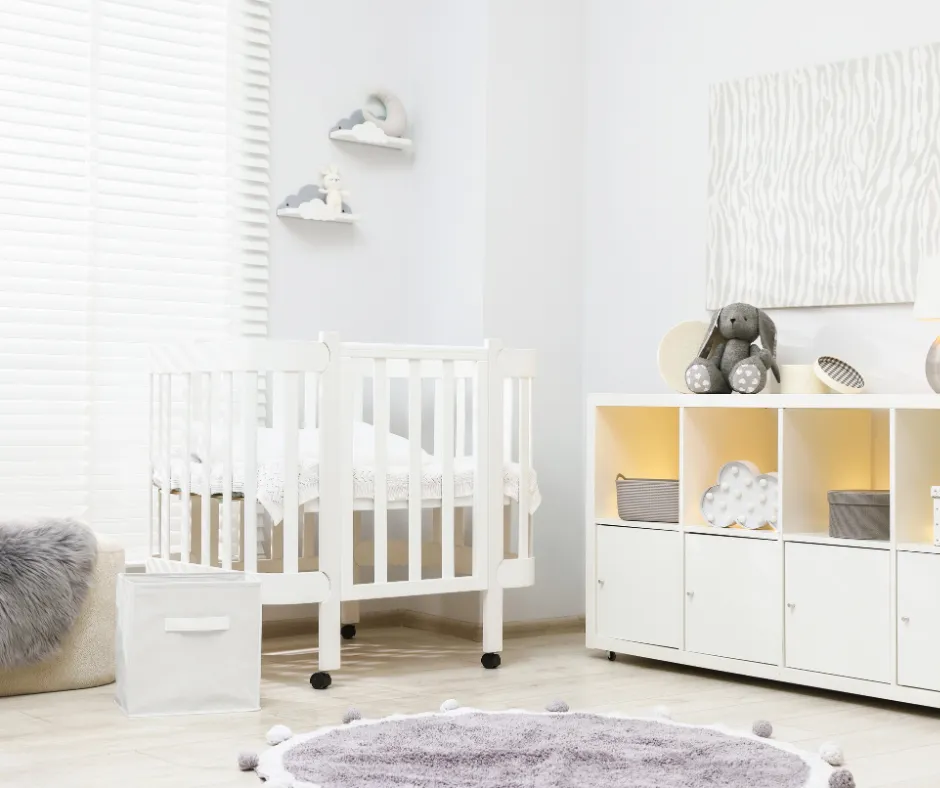


Moving your baby into their own room can feel like a big step. Some parents are ready early, others feel unsure for months, and both are completely normal.
The truth is there is no single “right” age. The best time is the time that feels safe, practical, and sustainable for your family, while still supporting your baby’s sleep and development.
Below is a clear guide to when families commonly make the move, what the research and safe sleep guidelines suggest, and how to transition smoothly without creating new sleep struggles.
When do most families move baby into their own room?
Many babies move into their own room somewhere between 4 and 12 months, but there is a wide range of normal.
Some families move earlier because:
baby is noisy and everyone is waking more
parents are waking at every small sound
the room is cramped and sleep space is limited
sleep is becoming more disrupted and everyone needs better rest
Others keep baby in their room longer because:
feeding is still frequent overnight
parents feel more comfortable with baby nearby
the setup is working well and sleep is stable
A good rule of thumb is this: if room sharing is supporting sleep and wellbeing for everyone, you do not need to rush the change. If it is making sleep worse or feeling unsustainable, it is worth considering the transition.
What do safe sleep guidelines say?
Safe sleep guidance often recommends room sharing for the first 6 to 12 months, depending on the organisation and country guidelines you are following.
The key part is that room sharing is about reducing risk, but it does not override safety basics like:
baby sleeps on their back
firm mattress
clear sleep space
no loose bedding or soft items
smoke free environment
If you want to check your setup, start with Safe Sleep Guidelines and Creating a Safe Sleep Environment.
If your baby is outgrowing their bassinet at the same time, you may also need Moving From Bassinet to Cot first.
Signs it might be time to move baby into their own room
You do not need all of these, but they are common signs families notice.
Everyone is waking each other up
Babies are noisy sleepers. Parents are also noisy sleepers. If the whole household is waking repeatedly through the night, moving baby can sometimes improve sleep for everyone.
Your baby wakes more because they can sense you
Some babies sleep more lightly once they are older and more aware. If your baby is waking frequently and seeking extra reassurance, especially after the 4 month sleep regression, distance can sometimes help them sleep more soundly.
Your baby is more distracted during resettles
If your baby is waking and then staying awake because they can see you, smell you, or hear movement, moving rooms can reduce stimulation.
You are ready to reduce overnight support
If your goal is to gradually reduce overnight feeds or support, it can be easier when baby has their own space.
What age is too early?
This depends on your comfort level and the sleep setup.
If you are considering moving baby before 6 months, focus on:
safe cot setup in the new room
a monitor that lets you respond quickly
ensuring feeding needs are met
keeping sleep cues consistent so baby feels secure
Some families do this very successfully, especially if room sharing is making sleep worse, but it should always be paired with a strong safe sleep setup.
What to expect when you move baby into their own room
A few common patterns show up.
Some babies sleep better immediately
Less disturbance, fewer wake ups, and more settled nights are common outcomes.
Some babies need a short adjustment period
For a few days, you might see:
slightly more settling at bedtime
a couple of extra night wakes
naps feeling a bit wobbly
This usually settles once the new room becomes familiar.
If sleep becomes significantly worse
If sleep disruption lasts longer than about 10 to 14 days, it is usually not the room itself. It is more often:
awake windows need adjusting
routines are out of sync
sleep pressure is off
separation anxiety is peaking
there is a strong association piece
In that case, it can help to check Time to Increase Awake Windows, Time to Decrease Awake Windows, or Why Is My Baby Waking So Frequently at Night?.
How to make the transition smooth
Keep the routine exactly the same
Same bedtime routine, same sleep sack, same settling technique, same wind down cues.
Choose the easiest sleep to start with
Some families start with nights because sleep pressure is highest.
Others start with naps for familiarity.
Either is fine. Pick the option that feels least stressful.
Make the room sleep friendly
A calm, predictable environment matters more than aesthetic.
If you need a checklist, refer to Creating a Sleep-Conducive Environment and Toddler Sleep Environment if you are moving an older baby or toddler.
Be consistent for at least a week
Avoid swapping back and forth nightly. Consistency helps your baby learn what to expect.
If your baby is struggling with separation
Around 8 to 10 months and again around 12 months and 15 to 18 months, separation anxiety can peak. If you move rooms during one of those stages, your baby may need a little more support while they adjust.
You can explore Separation Anxiety for strategies to support sleep without escalating.
Looking ahead
Moving your baby into their own room is not about forcing independence. It is about choosing a sleep setup that supports safety, rest, and family wellbeing.
If you want a clear plan that adapts as your baby grows, the 5–24 Month Infant Course walks you through routines, settling, regressions, nap transitions, and troubleshooting across every stage, and the Infant and Toddler Bundle supports you right through the toddler years as sleep needs and behaviour continue to evolve.

Eva Beke
Certified Paediatric Sleep Consultant
Founder The Sleepy Little Bubs
I’m Eva Beke, a certified baby and toddler sleep consultant and founder of The Sleepy Little Bubs, supporting families across Australia and the world with evidence based baby and toddler sleep support.
My approach is realistic, supportive, and designed to evolve as your child grows, so you’re not just getting help for today, but confidence moving forward.
The Smarter Way to Invest in Better Sleep
Supporting sleep doesn’t have to mean starting over every time something changes.
Our sleep courses are built to support you long term, with age specific guidance that adapts as your child grows. From early routines and regressions to nap transitions and toddler sleep challenges, you’ll have a clear plan and ongoing support so you can respond with confidence at every stage.

Infant
5-24 Months
Toddler
2-4 Years
PRODUCTS
INFORMATION
SUPPORT
LEGAL


© Copyright The Sleepy Little Bubs All Rights Reserved.