
Feeding

Reverse Cycling: Why Babies Feed More at Night
If your baby feeds more overnight than during the day, reverse cycling could be why. Learn what causes it and how to gently shift feeds back to daytime for longer sleep stretches.
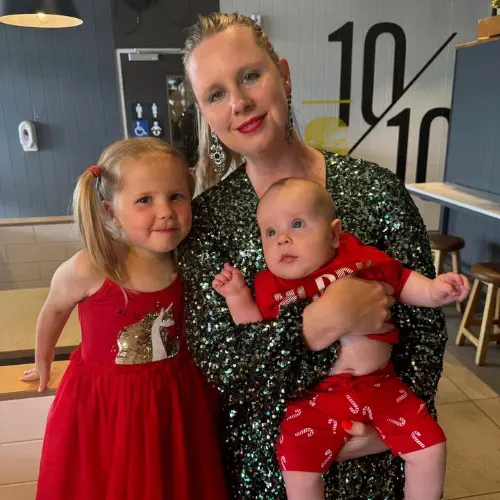
Eva Beke
Certified Paediatric Sleep Consultant
Founder The Sleepy Little Bubs
I’m Eva Beke, a certified baby and toddler sleep consultant and founder of The Sleepy Little Bubs, supporting families across Australia and the world with evidence based baby and toddler sleep support.
My approach is realistic, supportive, and designed to evolve as your child grows, so you’re not just getting help for today, but confidence moving forward.
The Smarter Way to Invest in Better Sleep
Supporting sleep doesn’t have to mean starting over every time something changes.
Our sleep courses are built to support you long term, with age specific guidance that adapts as your child grows. From early routines and regressions to nap transitions and toddler sleep challenges, you’ll have a clear plan and ongoing support so you can respond with confidence at every stage.

Infant
5-24 Months
Toddler
2-4 Years
PRODUCTS
INFORMATION
SUPPORT
LEGAL


© Copyright The Sleepy Little Bubs All Rights Reserved.