
12 Month Sleep Regression: Signs, Causes & What Helps



What the 12 month sleep regression is, why it happens, signs to look for, and how to support your baby through it.
If your baby is approaching or has just turned one and sleep has suddenly become more unsettled, you’re not imagining it.
Around twelve months, many families experience a period of disrupted sleep often referred to as the 12 month sleep regression.
Nights may feel more broken, naps may be resisted, and bedtime can suddenly become a battle even if sleep was previously going well.
This stage is driven by a combination of developmental change, emotional growth, and shifting sleep needs, and while it can feel exhausting, it is a very common and expected phase.
What is the 12 month sleep regression?
The 12 month sleep regression is a temporary disruption in sleep that can happen around your baby’s first birthday. It often shows up as increased night waking, nap refusal, early morning waking, bedtime battles or needing more support at sleep times.
Unlike earlier baby sleep regressions, this stage is often confused with the 2–1 nap transition. However, most babies are not quite ready to drop to one nap at 12 months, even if they suddenly begin resisting naps.
Why does the 12 month sleep regression happen?
Several important developmental factors can come together around your baby’s first birthday, which is why the 12 month sleep regression can affect naps, bedtime and overnight sleep.
Increased separation anxiety
Around twelve months, separation anxiety often becomes more noticeable again. Your baby is more aware of your absence and may become distressed when you leave the room, especially at naps, bedtime or during overnight wakes.
This can lead to more difficulty settling, increased night waking and needing extra reassurance to resettle.
Growing independence and emotional development
Your baby is beginning to understand themselves as a separate person with preferences, opinions and emotions.
This growing independence can show up as bedtime resistance, nap refusal or frustration around sleep, especially when sleep feels like something being “done to them” rather than with them.
Physical development and mobility
Many babies are more mobile at this age. They may be crawling quickly, pulling to stand, cruising, taking steps or practising new movement patterns.
These big physical milestones can temporarily disrupt sleep as your baby’s brain and body process new skills.
Changing sleep needs
Sleep needs begin to slowly reduce around this stage, which can make existing routines feel slightly out of balance. If awake windows are no longer quite right, naps may shorten, bedtime may become harder, or early morning waking may appear.
Some families also begin to question whether it is time for the 2–1 nap transition. While nap refusal can happen during the 12 month sleep regression, most babies are not ready to drop to one nap at 12 months.
The 2–1 nap transition more commonly happens later, often between fifteen and eighteen months, although this can vary from child to child.
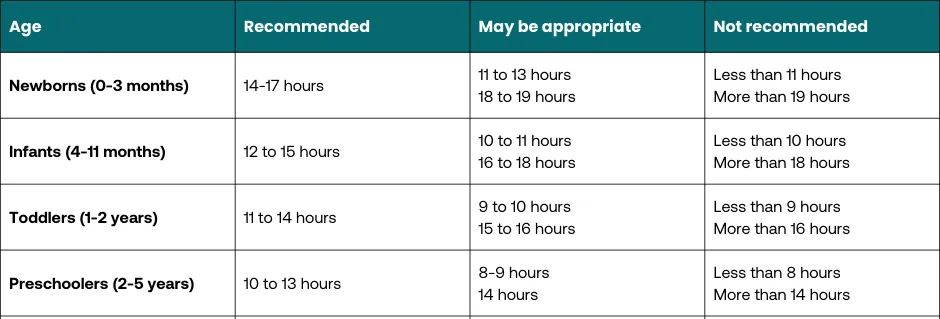
How much sleep does a 12 month old need?
At around 12 months, most babies need around 11–14 hours of total sleep across 24 hours, including naps and overnight sleep.
Many babies are still on two naps at this age, even if they start resisting one of them during the 12 month sleep regression.
This is why nap refusal does not always mean your baby is ready for the 2–1 nap transition.
What are the common signs of the 12 month sleep regression?
Common signs include:
Increased night waking
Resisting or skipping one nap
Bedtime battles or delayed settling
Early morning waking
Heightened clinginess at sleep times
Sleep that suddenly feels unpredictable
If nights feel particularly broken, it can be helpful to look at the full 24-hour picture rather than focusing only on overnight waking.
At this age, sleep disruption can be linked to separation anxiety, nap timing, awake windows, bedtime, feeding patterns, development or whether your baby’s routine still matches their current sleep needs.
How long does the 12 month sleep regression last?
For many babies, the 12 month sleep regression lasts around two to four weeks, especially when routines, naps and bedtime remain consistent.
If sleep disruption continues beyond this window, it may be a sign that your baby’s sleep needs have shifted. Awake windows, nap timing, bedtime, feeding patterns or settling support may need to be reviewed so the routine better matches your baby’s current stage.
The goal is not to wait indefinitely for the regression to pass, but to understand what has changed and make small, age-appropriate adjustments.
How to support sleep during the 12 month sleep regression
Review your routine before dropping naps
Most babies at twelve months still benefit from two naps. Before moving toward one nap, it’s important to ensure your day is still aligned with your baby’s sleep needs. Reviewing a realistic 12–15 month sleep routine can help you determine whether sleep pressure is balanced or if small adjustments are needed.
Avoid rushing the nap transition
While nap resistance can be frustrating, it doesn’t automatically mean your baby is ready for one nap. Many babies experiencing the 12 month regression settle again once routines stabilise, without needing to move into the 2–1 nap transition too early.
Adjust settling techniques if needed
With separation anxiety and independence increasing, some babies benefit from a shift in settling approach. Techniques that worked earlier may suddenly feel too abrupt. Offering more reassurance, slowing your withdrawal, or adjusting how you respond at sleep times can help support your baby emotionally while still working toward more settled sleep.
Support connection around sleep
Extra connection before naps and bedtime can go a long way at this age. A consistent wind down routine, predictable cues, and calm reassurance can help reduce resistance and anxiety around separation.
12 Month Sleep Routine Examples
Not every 12 month old needs the same routine. Some babies are still doing well on two naps, some are showing signs they may be moving toward one nap, and others may already be closer to a one nap schedule.
These examples can help you understand what may suit your baby during the 12 month sleep regression.
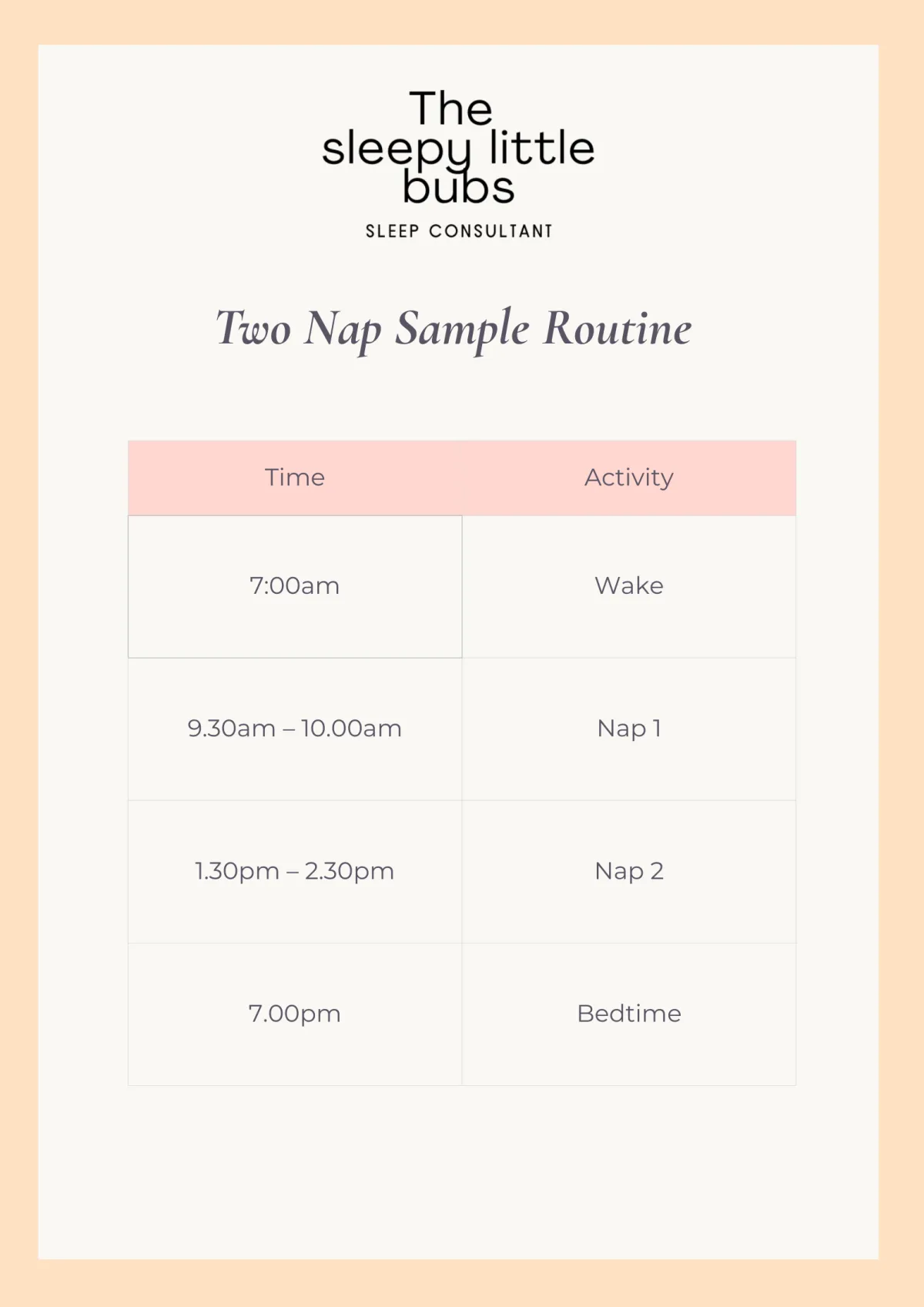
Two Nap 12 Month Sleep Schedule
This routine suits babies who still need two naps to manage the day without becoming overtired.
Many babies at 12 months are still best supported by a two nap schedule, even if they briefly resist one nap during the regression.
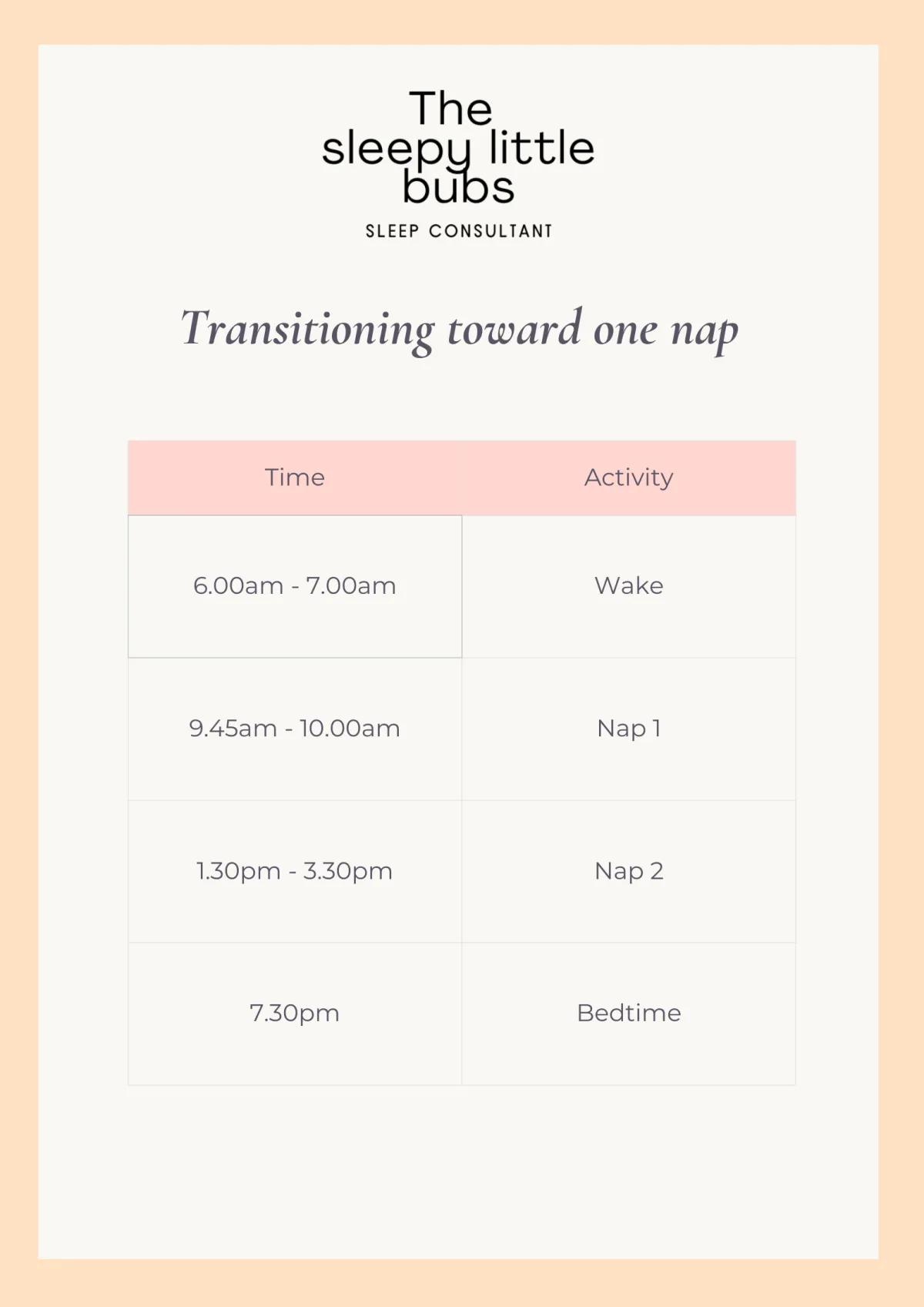
Transitioning Toward One Nap
This routine suits babies who are beginning to show signs of the 2–1 nap transition, but are not quite ready for one full midday nap every day. It can help bridge the gap while awake windows stretch and day sleep begins to shift.
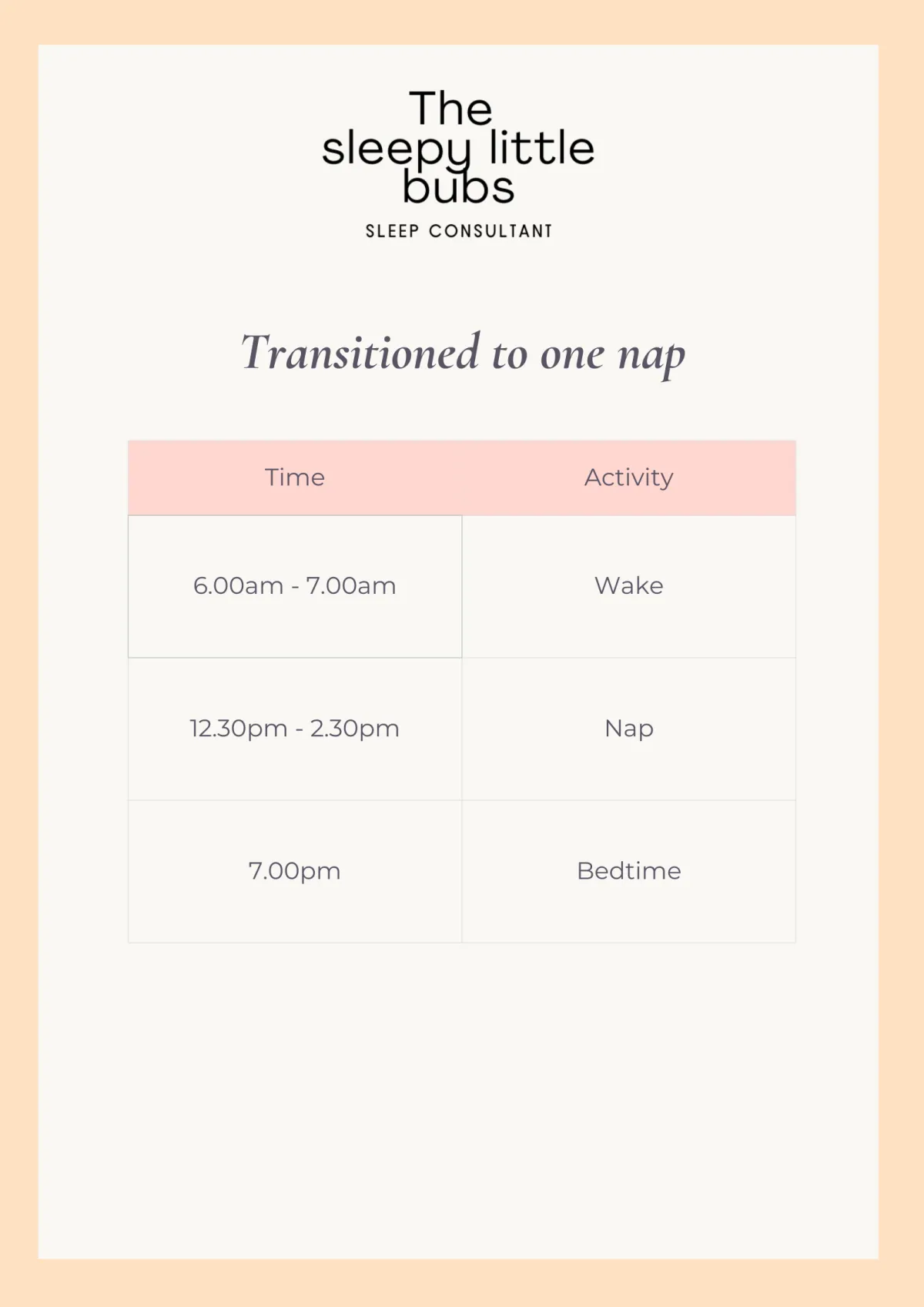
One Nap 12 Month Sleep Schedule
Some babies may be ready for one nap closer to 12 months, although this is less common. A one nap routine works best when your baby can comfortably manage a longer morning awake window without becoming overtired by bedtime.
Should you make changes during the 12 month sleep regression?
This stage is not about forcing sleep changes or pushing independence before your baby is ready. It is about recognising that your baby’s emotional awareness, development, sleep needs and routine may have shifted.
Small, thoughtful adjustments can often make a significant difference during this phase. This may include reviewing awake windows, protecting naps, adjusting bedtime, offering more reassurance around separation anxiety, or choosing a settling approach that better suits your baby’s current stage.
The goal is not to change everything at once. It is to understand what has changed and support your baby back into a more predictable rhythm.
Looking ahead
As your baby moves further into toddlerhood, sleep will continue to evolve with new regressions, nap transitions, and emotional milestones. Having guidance that grows with your child can help you feel prepared rather than reactive.
The 5–24 Month Infant Course provides age specific guidance through all stages of infant sleep, while the Infant and Toddler Bundle offers long term support into the toddler years, so you always know what to expect and how to respond with confidence.
Need help through the 12 month sleep regression?
If your baby is resisting naps, waking more overnight, struggling at bedtime or seeming more unsettled around sleep, personalised support can help you move forward with confidence.
A 30-minute sleep consultation is ideal if you need clarity around routines, nap transitions or specific sleep challenges, along with clear, practical next steps tailored to your child.
If you'd like more in-depth guidance, our Two Week Sleep Support package includes a personalised sleep plan, a 60-minute consultation and 14 days of support to help you confidently navigate sleep challenges and create lasting sleep changes.
Whether you need quick clarity or ongoing support, we're here to help.
CLIENT STORIES
Real Families. Real Rest.

"I actually can't believe how much your infant course has changed my little ones sleep... and in such a short amount of time. Thank you!"
- Sofija


"Ok, so here I am thinking this is just another "ohh most comprehensive" guide blah blah blah... wowza... the toddler course literally has everything, and I can't even tell you how many times I have referred back to it. Best money spend on sleep so far"
- Christina

"Hey I just wanted to let you know, I purchased your toddler course and within days we've gone from bed sharing and multiple wake ups to him sleeping in his own bed and sleeping through the night. What is this magic?"
- Lisa

Eva Beke
Certified Paediatric Sleep Consultant
Founder The Sleepy Little Bubs
I’m Eva Beke, a certified baby and toddler sleep consultant and founder of The Sleepy Little Bubs, supporting families across Australia and the world with evidence based baby and toddler sleep support.
My approach is realistic, supportive, and designed to evolve as your child grows, so you’re not just getting help for today, but confidence moving forward.
PRODUCTS
INFORMATION
SUPPORT
LEGAL




© Copyright The Sleepy Little Bubs All Rights Reserved.